
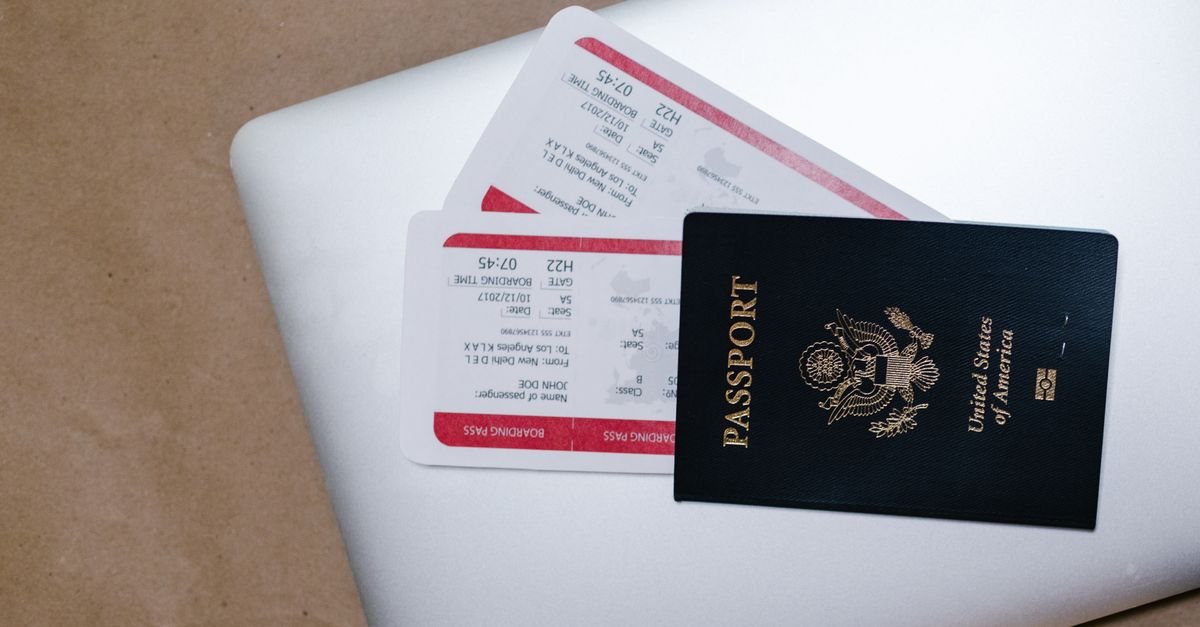
Do You Need a Visa to Drift in Japan? Tourist Rules (2026)
The Rundown
- Japan's Ministry of Foreign Affairs lists 74 countries and regions whose nationals need no visa for a short-term stay, including the United States, Canada, the United Kingdom, Australia and New Zealand. The usual stay granted is 90 days (15 days for Indonesia and Thailand, 30 for Brunei and Qatar).
- The Immigration Services Agency defines Temporary Visitor (短期滞在) activities as sightseeing, recreation, sports, visiting relatives, tours, attending courses or meetings and business contact. A paid track day, drift school or ride-along is you spending money on sport, as of 29 September 2026.
- MOFA describes short-term stay as a stay of up to 90 days that does not include remunerative activities. Whether prize money from an amateur drift competition counts as remuneration is not officially stated on either ministry's pages.
- No circuit page we have checked asks for your visa or immigration status. Ebisu Circuit's 2026 Drift Matsuri English entry form asks for name, date of birth, address, phone, a signed liability oath and a sworn valid driving licence.
- Nationals of the Philippines, Viet Nam, China, Russia and the CIS countries need a visa for any short-term stay, applied for abroad. MOFA states a visa cannot be obtained on arrival or inside Japan (checked 29 September 2026).
Contents
Visiting Japan to drift: the immigration side
For most drift fans, no. If your passport is from one of the 74 countries and regions on Japan’s visa exemption list, including the United States, the United Kingdom, Canada, Australia and New Zealand, you land as a Temporary Visitor for up to 90 days with no visa, and the Immigration Services Agency lists sports and attending courses among the activities that status covers. A track day, drift school or passenger ride you pay for fits that; being paid to drive is the part to check first. Everything below was checked on the official Ministry of Foreign Affairs and Immigration Services Agency pages on 29 September 2026.
The visa is rarely what stops a drift trip. The licence, the entry form and the Japanese phone call are. So this guide splits the question in two: what immigration allows, and what the circuit actually looks at when you arrive.
Does my passport need a visa to visit Japan at all?
Start with the Ministry of Foreign Affairs (MOFA) exemption page. It lists 74 countries and regions with reciprocal visa exemption for a short-term stay. The stay granted on landing is 90 days for most of them, 15 days for Indonesia and Thailand, and 30 days for Brunei and Qatar.
Read the notes beside your country, because some exemptions have conditions. Brazil, Thailand, Serbia, Panama, Paraguay, Peru, Montenegro and the United Arab Emirates are exempt only with an ICAO-standard ePassport. Indonesia and Qatar are exempt only after registering that ePassport with a Japanese mission. Taiwan’s exemption needs a passport with a personal ID number.
MOFA also names the nationals who need a visa for any short-term stay: the Philippines, Viet Nam, China, Russia, and the CIS countries, Ukraine and Georgia. Its visa page is blunt that visas are issued by Japanese embassies and consulates abroad and “cannot be obtained when you arrive in Japan”. For tourism, residents of Australia, Brazil, Cambodia, Canada, Saudi Arabia, South Africa, Taiwan, the United Kingdom and the U.S.A. who do need a visa can apply online through the JAPAN eVISA system.
Visa and "status of residence" are two different things
MOFA notes that the status of residence is written on your landing permission and states which activities you may do in Japan. People say "visa" for both. Visa-exempt or not, what you are allowed to do on the trip comes from that status, and for a drift holiday it is Temporary Visitor.
Can a Temporary Visitor drive at a track day, a drift school or a ride-along?
The Immigration Services Agency (ISA) defines Temporary Visitor, 短期滞在 (tanki taizai), as a short stay for 「観光、保養、スポーツ、親族の訪問、見学、講習又は会合への参加、業務連絡」: sightseeing, recreation, sports, visiting relatives, tours, attending courses or meetings, business contact and similar activities. The period is 90, 30 or 15 days. Extensions are granted, in principle, only for truly unavoidable humanitarian reasons such as medical treatment, so do not plan on stretching a trip.
MOFA’s own summary adds the condition that matters: short-term stay is “a stay of up to 90 days for tourism, business, visiting friends or relatives, etc. that does not include remunerative activities”.
Neither page names motorsport. Here is how the common drift activities line up against that wording.
| What you want to do | What the official wording says | What the track or operator checks |
|---|---|---|
| Watch a D1GP, FDJ or Matsuri round | Sightseeing and recreation are listed | A ticket |
| Paid ride-along or drift taxi | Recreation and sport are listed; you pay, nobody pays you | Operator’s own rules; Ebisu Circuit’s Drift Taxi asks for no driving licence |
| Drift school or lesson | ”Attending courses” (講習) is listed | Venue rules; Minami Chiba Circuit’s rental session needs no licence |
| Organiser-run track day (sōkōkai) or free run | Sport is listed; you pay the entry | Licence rule set by the venue, a signed pledge, often an insurance line |
| Amateur competition with trophies or products | Not officially stated | Entry form, pledge, car and kit rules |
| Competition with cash prizes, a paid seat or an appearance fee | Short-term stay excludes remunerative activities; whether a prize counts is not officially stated | Ask ISA or your embassy before you enter |
Is entering a competition with prize money different?
It can be, and this is where you should not guess. MOFA says anyone who intends to work in Japan for remuneration should, in principle, obtain a Certificate of Eligibility from the ISA before applying for a visa. Neither ministry says whether a prize purse in an amateur drift event, a sponsor’s product or a paid driving slot counts as remuneration. That is not officially stated anywhere we could find.
The foreigner-only competition most visitors ask about is G1GP at Ebisu Circuit. The prizes recorded in our archive are an Ebisu year pass and sponsor products, and the entry fine print on residency or passports is not published. If money is on the table in any event, ask before you fly. The ISA information centre answers on 0570-013904 (03-5796-7112 from overseas or an IP phone), weekdays 8:30 to 17:15, in English among other languages. Your nearest Japanese embassy or consulate is the other official door.
What does a Japanese circuit actually check at the gate?
Your driving licence, your signature and sometimes your seal. Not your visa. None of the circuit and organiser entry pages we have checked asks for immigration status.
Ebisu Circuit (Fukushima) publishes its 2026 Drift Matsuri form in English. It asks for name, date of birth, address and a contact phone number, then a “Written oath/approval”: you accept that the organisers are not liable for death, injury or damage even if caused by their negligence, you pay for Ebisu facilities you damage, and you swear the driver holds a valid driving licence. There is no nationality, passport or visa field. The Ebisu Drift Series (EDS) pledge goes further: a signature and a personal seal, an inkan, with thumbprints refused.
What venues ask for, from the pages we have verified
- Driving licence: the rule is the venue's. Bihoku Highland Circuit's FAQ says no licence of any kind is needed on its course; Mobara Twin Circuit limits its drift days to licence holders
- Licence plus IDP on public roads: Japan accepts only a 1949 Geneva Convention permit, or a Japanese translation for six countries
- A signed pledge: the liability waiver on the entry form, in Japanese at most venues
- Insurance line: typically a personal accident fee of about ¥500 a day on the entry
- Your passport, in your bag: police date your foreign licence's one-year validity from your landing
The licence side is its own topic: which permit Japan accepts is in our licence and IDP guide, whether a venue wants its own card is in the circuit licence guide, and the short version sits on Ask TSUISO. What the ¥500 line does and does not cover is in our crash and insurance guide.
The visa is easy. The entry form is where trips stall.
Once immigration is settled, the hard step is Japanese paperwork and a Japanese phone line: the organiser's entry form, the pledge with its seal, the insurance enrolment at the desk and the call that confirms whether your licence is accepted. That side is ours. Send us your dates and the licence you hold, and we handle it for you: drift days across Japan, with the entry and the Japanese side arranged for you.
So what should you sort out, and in what order?
Passport first, licence second, dates third. Check the MOFA list tonight. If you need a visa, apply at home, because there is no counter at the airport. Then get your IDP or translation before you fly. Then pick a date that exists: every confirmed round and track day we have verified is on the drift event and track calendar, and our track day entry guide explains who runs each day and how they take entries.
Frequently asked questions
Can I join a drift track day in Japan on a tourist visa?
For the 74 visa-exempt countries and regions on the Ministry of Foreign Affairs list, including the United States, the United Kingdom, Canada, Australia and New Zealand, you usually enter as a Temporary Visitor for up to 90 days without a visa at all. The Immigration Services Agency lists sports and attending courses among Temporary Visitor activities, and a drift track day or drift school you pay for is sport you are spending money on. MOFA's definition of short-term stay excludes remunerative activities, so the line to watch is being paid, not driving. Checked on the MOFA and Immigration Services Agency pages on 29 September 2026.
Do I need a visa to ride in a drift taxi or take a drift lesson in Japan?
Not if your nationality is one of the 74 countries and regions on Japan's visa exemption list as of 29 September 2026. A paid ride-along or a drift lesson is a leisure or course activity, and the Immigration Services Agency's description of Temporary Visitor status (短期滞在) names sightseeing, recreation, sports and attending courses. Nationals of the Philippines, Viet Nam, China, Russia and the CIS countries need a short-term visa for any visit, and MOFA states visas are issued only by Japanese embassies and consulates abroad, never on arrival.
Can I enter a Japanese drift competition with prize money on a tourist entry?
It depends, and neither ministry answers it directly. The Ministry of Foreign Affairs defines short-term stay as up to 90 days for tourism, business or visiting people that does not include remunerative activities, and says anyone who intends to work in Japan for remuneration should obtain a Certificate of Eligibility before applying for a visa. Whether an amateur drift prize, sponsor product or appearance fee counts as remuneration is not officially stated. Ask the Immigration Services Agency's information centre (0570-013904, or 03-5796-7112 from overseas, weekdays 8:30 to 17:15, English available) or your Japanese embassy before entering, as of 29 September 2026.
Does a Japanese circuit check my visa or passport at the gate?
Not in anything the circuits publish. Ebisu Circuit's 2026 Drift Matsuri English entry form asks for your name, date of birth, address, contact phone number, a signed written oath accepting liability and a sworn statement that the driver holds a valid driving licence, with no field for nationality, passport or visa. What varies by venue is the driving licence rule, the liability pledge and the insurance line. Carry your passport anyway: Japan's police use your landing date to time how long a foreign licence and IDP stay valid. Checked 29 September 2026.
 Do You Need a Circuit Licence to Drift in Japan? (2026)
  Touge Without the Police: Japan's Legal Mountain Courses (2026)
  How Much Does It Cost to Drift in Japan? (2026 Prices)