
Paying for a Drift Day in Japan: Cash, Bank Transfer or Card? (2026)
The Rundown
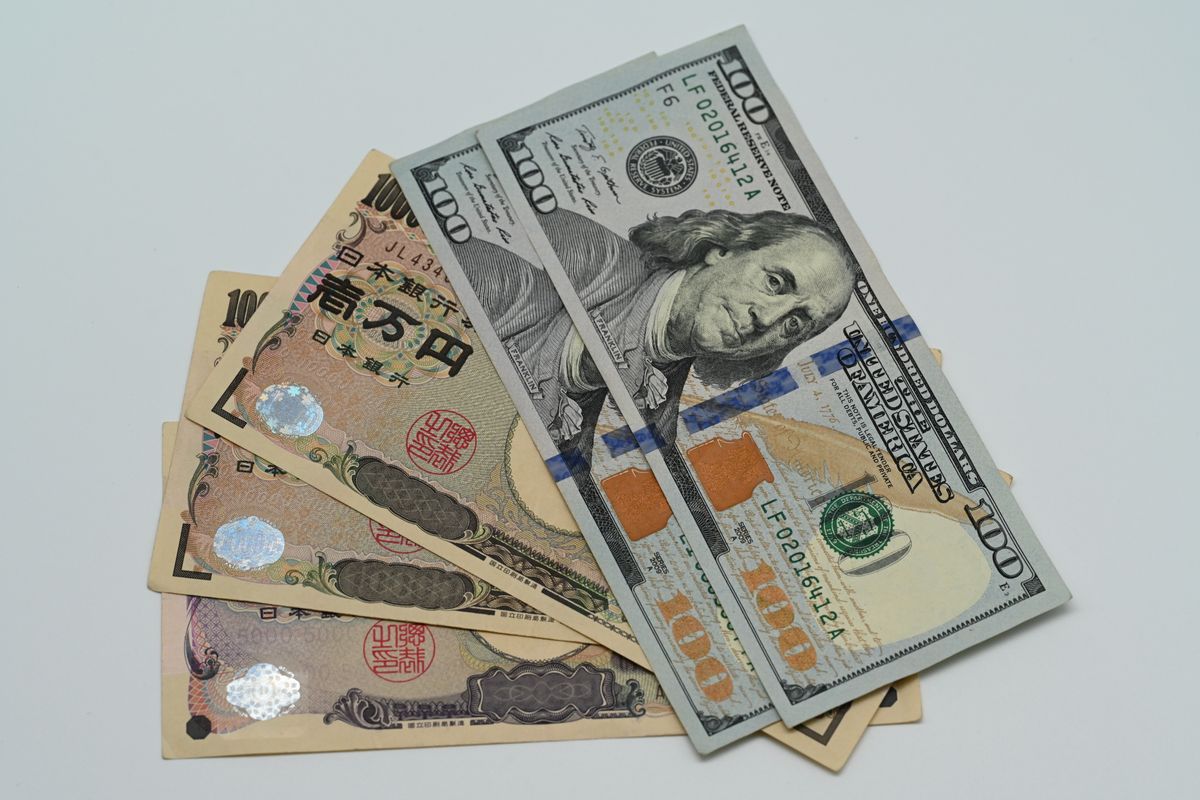
- Three payment patterns cover Japanese drift days as of 15 October 2026: cash at reception on the day (Tsukuruma Circuit Nasu ¥15,000, YZ Circuit East ¥10,000–13,000), an advance domestic bank transfer with a deadline (Maze no Hi 3 ¥18,000, KK☆BROS ¥13,200), and card or convenience-store payment on Ebisu Circuit's MS-Event portal.
- Maze no Hi 3 at Nihonkai Maze Circuit (Niigata) on 1 November 2026 costs ¥18,000: you submit the organiser's web form, then transfer the fee, and the organiser states an entry it cannot see paid within one week is not accepted.
- KK☆BROS Drift Day #97 at Fuji Speedway Drift Park (Shizuoka) on 31 October 2026 is ¥13,200 with lunch; the ¥12,700 rate required the transfer to complete by 30 September, and the organiser counts an entry as complete only once the transfer is confirmed.
- Mobara Twin Circuit (Chiba) charges ¥15,000 for a circuit-run day booked at least 7 days ahead and ¥16,000 at the door; it accepts applications by web, at the window or by registered cash mail, publishes a bank account for the fee and makes you pay the transfer charge.
- A domestic transfer (furikomi) needs a yen account: from overseas the practical routes are an international wire, where intermediary banks may deduct fees, or a service such as Wise, whose JPY guide says money usually lands in the recipient's bank account 1 working day after conversion.
Contents
Paying for a drift day in Japan at a glance
Three ways, and the event page decides which. Most circuits take cash at reception on the day: Tsukuruma Circuit Nasu (Tochigi) puts it in its running terms at ¥15,000 for a drift day, and YZ Circuit East (Gifu) states free-running payment is cash only. Organiser-run days usually want an advance domestic bank transfer with a deadline, such as Maze no Hi 3 at Nihonkai Maze Circuit (Niigata) on 1 November 2026, ¥18,000, unpaid entries dropped after one week. Card payment exists on one portal we have confirmed, Ebisu Circuit’s MS-Event system (Fukushima). Everything below was checked on the official pages on 15 October 2026.
This is the payment side only. Who runs the day and how entries are taken is in our guide to entering a Japanese drift track day as a foreigner, and what a whole day adds up to is in how much it costs to drift in Japan.
Which venues take cash, which want a transfer, and which take a card?
| Venue or organiser (prefecture) | Fee | How you pay | Deadline | If you miss it |
|---|---|---|---|---|
| Tsukuruma Circuit Nasu (Tochigi), sport running | ¥15,000 day, ¥10,000 half, passenger ¥500 | Cash: the terms state sport-running fees are paid in cash | None: no reservation, reception 8:00–11:00 | No refund if you cancel |
| YZ Circuit East (Gifu), free running and Min-Dori Team Battle | Free run ¥10,000; Min-Dori ¥13,000 plus ¥500 gate | Cash only, settled before you run; Min-Dori cash on the day | Free run by email; Min-Dori by web form, no deadline published | Not stated on the official page (checked 15 Oct 2026) |
| Mobara Twin Circuit (Chiba), circuit-run day | ¥15,000 advance, ¥16,000 on the day | Web, window or registered cash mail; bank account published, transfer charge is yours | Advance rate closes 7 days before; cancel up to 7 days before, minus ¥1,000 | ¥16,000 same-day rate, if space |
| Yashio Factory, Maze no Hi 3 at Nihonkai Maze Circuit (Niigata), 1 Nov 2026 | ¥18,000, any class | Web form, then a bank transfer | Payment confirmed within one week of entering | Entry not accepted |
| KK☆BROS Drift Day #97 at Fuji Speedway Drift Park (Shizuoka), 31 Oct 2026 | ¥13,200 with lunch | Google form, then a transfer; entry complete once confirmed | ¥12,700 if the transfer completed by 30 September | Full ¥13,200; no changes or cancellations |
| Ebisu Circuit (Fukushima), EDS Rd.3 and Autumn Drift Matsuri | EDS ¥15,000–17,000; matsuri ¥20,000 advance | MS-Event portal: credit card or convenience store; or faxed form plus bank transfer, or registered cash mail | EDS closes 16 October; matsuri advance 11–23 October 2026 | Matsuri: same-day entry at ¥25,000 |
| Suzuka Twin Circuit (Mie), drift D course | From ¥4,000 an hour booked, ¥5,000 same day | Membership cash only; running-fee payment not stated on the official page (checked 15 Oct 2026) | Phone booking by 16:00 the day before | Same-day slot only if free |
The pattern: where the circuit itself sells the running, you pay cash at the window. Where a shop, team or individual hires the circuit and sells entries, you transfer to a named Japanese account first, and your place does not exist until the organiser sees the money. Every row above is on the drift event and track calendar with its fee and entry window.
What does “cash on the day” actually look like at reception?
You hand over a signed entry sheet and pledge, you pay, you get a wristband or sticker. Tsukuruma’s terms add that a morning ticket cannot be upgraded to a full day after payment, and that running outside what you paid for costs a ¥20,000 penalty. The same terms want any discount or running voucher declared when you apply, not afterwards. YZ asks you to settle before you run. On top of the entry fee, count the gate fee (¥500 at YZ for non-members, ¥500 weekdays and ¥1,000 weekends at Suzuka Twin) and the ¥500 personal-accident line most desks add.
Cash to have in your pocket at reception
- The full-day fee in notes: ¥10,000 at YZ, ¥15,000 at Tsukuruma, ¥16,000 at Mobara unbooked
- The gate fee for every person in the car, ¥500–2,000 by venue and weekday
- ¥500 for passenger or sports insurance where the desk offers it
- Passenger ride money: ¥500 at Tsukuruma, ¥1,500 at Mobara
- Smaller notes: ¥10,000 notes for everything slow a small reception desk
- Ask for a 領収書 (ryōshūsho, a formal receipt) when you pay if you need one; none of the pages above mentions receipts
No circuit page we checked lists an ATM, and the venues above are rural, so draw the money the evening before. Seven Bank says foreign-issued Visa, Plus, Mastercard, Maestro, Cirrus, UnionPay, American Express, JCB, Discover and Diners Club cards work at its ATMs in over 28,000 7-Eleven stores. Japan Post Bank ATMs in post offices accept Visa, Plus, Mastercard, Maestro, Cirrus, JCB, UnionPay and Discover, run 7:00 to 23:00 Monday to Saturday, cap one withdrawal at ¥50,000 and may charge ¥220 per use. Two withdrawals cover any day in the table.
How does the bank transfer (furikomi) work, and what trips up visitors?
振込 (furikomi) is a domestic bank transfer. The organiser publishes a bank, a branch, an account type (普通, futsū, an ordinary account) and a number, plus the account holder’s name. You send the fee, the organiser matches your name against the entry list, and only then are you in. KK☆BROS writes it plainly: the entry is accepted once the transfer is confirmed. Yashio Factory gives you one week.
The deadline is the entry
At Maze no Hi 3 (¥18,000, 1 November 2026) an entry whose payment is not confirmed within a week of the form is not accepted. At KK☆BROS the ¥500 discount died on 30 September and nothing can be changed or cancelled after the entry is complete. At Mobara the ¥15,000 advance rate closes 7 days before the date, after which you are a ¥16,000 walk-up waiting for a free slot. Pay the day you enter.
Here is the stuck step for an overseas visitor: a furikomi normally goes from one Japanese account to another, and you do not have one. Two routes remain. An international wire from your home bank reaches the same account, but Wise’s own guide notes that SWIFT payments take longer and intermediary banks may deduct handling fees, and Mobara’s page makes the transfer charge your cost, so if less than the fee arrives the shortfall is yours to chase. The second route is a transfer service that pays out as a domestic yen transfer. Wise’s guide to JPY transfers says you can send to any Japanese bank account domestically, asks for the account name in katakana exactly as the bank holds it, a usually 7-digit account number and the account type, and says the money usually arrives 1 working day after conversion. That page publishes no fee figure, so check the price quoted before you send. Either way the recipient name is typed in katakana, and a small organiser’s account is often in a person’s name, as KK☆BROS’s is.
If the transfer step is where your plan stalls
Matching a katakana account name, hitting a seven-day window from another time zone and confirming the money landed before the field fills is where overseas entries fall over. That step is part of arranging the day with us: send us the date and we handle the entry and the Japanese-side payment, and you pay one quote.
Buying from a Japanese shop raises the same account-name and fee issues; we cover those in how to pay a Japanese parts seller from overseas.
Where can I pay by card, and does it cover spectator tickets too?
For drivers, the one portal we have confirmed is Ebisu Circuit’s MS-Event system. It lists the credit cards it accepts and offers convenience-store payment, with the store instructions emailed after you apply. The EDS Rd.3 classes (¥15,000–17,000) and the Autumn Drift Matsuri (¥20,000 advance, 11–23 October window) are on it. The paper alternative on Ebisu’s page is a faxed form plus a bank transfer with マツリ written before your name, or the form and cash by registered mail. The portal is in Japanese, but it is the only place in the table where a card from home settles a drive.
Spectators are a different world. The pro series sell seats through Lawson Ticket, e+ and the other convenience-store agencies, built around Japanese mobile numbers and in-store terminals, while the gate at grassroots events is cash. We tested those rails in buying Japanese drift event tickets from overseas.
So which should you plan for?
Read the entry page for one of three words. 現金 (genkin, cash) means a cash day: draw the fee plus about ¥2,000 of extras the day before. 振込 (furikomi) means the clock is already running: note the katakana account name and the deadline, and send the same day. クレジットカード means Ebisu. Where a page says none of them, record it as not stated and ask before you fly, because every organiser above agrees on one thing: an unpaid entry is not an entry.
Frequently asked questions
Can I pay for a drift track day in Japan with a credit card?
Rarely. As of 15 October 2026 the one drift entry portal we have confirmed that takes cards is Ebisu Circuit's MS-Event system in Fukushima, which lists accepted credit cards and convenience-store payment for the Ebisu Drift Series (¥15,000–17,000) and the Autumn Drift Matsuri (¥20,000 advance, 14–15 November 2026). Tsukuruma Circuit Nasu (Tochigi) states that sport-running fees are paid in cash, YZ Circuit East (Gifu) states that free-running payment is cash only, and organiser days such as Maze no Hi 3 at Nihonkai Maze Circuit (Niigata) and KK☆BROS at Fuji Speedway Drift Park (Shizuoka) ask for a domestic bank transfer.
Do I need a Japanese bank account to enter a drift event in Japan?
Not for cash-on-the-day venues, but you do need a way to make a domestic yen transfer for organiser days that ask for 振込 (furikomi). As of 15 October 2026, Maze no Hi 3 (¥18,000, Nihonkai Maze Circuit, Niigata, 1 November 2026), KK☆BROS Drift Day #97 (¥13,200, Fuji Speedway Drift Park, Shizuoka, 31 October 2026) and Mobara Twin Circuit's advance entries (¥15,000, Chiba) all publish a Japanese bank account for the fee. From overseas you can send to that account by international wire or through a transfer service; Wise's own JPY guide says it pays into any Japanese bank account domestically and asks for the account name in katakana, a 7-digit account number and the account type.
What happens if I miss the bank transfer deadline for a Japanese drift day?
The entry usually lapses or gets dearer, and the organiser's page says which. As of 15 October 2026, Yashio Factory's Maze no Hi 3 (Nihonkai Maze Circuit, Niigata, 1 November 2026, ¥18,000) states that an entry whose payment cannot be confirmed within one week is not accepted. KK☆BROS at Fuji Speedway Drift Park (Shizuoka) dropped its ¥500 early discount after 30 September 2026, so the 31 October day costs the full ¥13,200, and counts your entry as complete only when the transfer is confirmed. Ebisu Circuit's Autumn Drift Matsuri (Fukushima) closes advance entry on 23 October 2026 at ¥20,000; after that the only route is same-day entry at ¥25,000.
Are there ATMs at Japanese drift circuits where I can withdraw cash?
Plan as if there are none: no circuit page we have checked mentions an ATM. As of 15 October 2026 Seven Bank states that foreign-issued Visa, Plus, Mastercard, Maestro, Cirrus, UnionPay, American Express, JCB, Discover and Diners Club cards work at over 28,000 ATMs in 7-Eleven stores across Japan, and Japan Post Bank ATMs in post offices accept Visa, Plus, Mastercard, Maestro, Cirrus, JCB, UnionPay and Discover with a ¥50,000 limit per withdrawal and a ¥220 fee that may apply. Draw the full-day fee, the gate fee and the ¥500 insurance line the day before, in the nearest town to the track.
 Do You Need a Circuit Licence to Drift in Japan? (2026)
  Do You Need a Visa to Drift in Japan? Tourist Rules (2026)
  Low-Powered Drift Car? The Japanese Tracks That Suit It (2026)