
What Licence You Need to Drive or Drift in Japan (2026)
The Rundown
- Japan accepts only an International Driving Permit issued under the 1949 Geneva Convention. A 1968 Vienna Convention permit is not valid here.
- Six licences sit outside that system — Switzerland, Germany, France, Belgium, Monaco and Taiwan. Those drivers need an official Japanese translation instead, and no IDP will fix it.
- Neither document can be obtained by a visitor inside Japan. Japan issues IDPs only to holders of a Japanese licence, and JAF's translation site can only be reached from a Japanese network.
- A JAF translation costs ¥6,000 from 1 April 2026, plus about ¥20 a page to print at a Japanese convenience store.
- Circuits are private land, so the licence rule is the venue's, not the law's: Bihoku states no licence of any kind is needed, while Ebisu's road licence asks for an ordinary licence and Japanese comprehension.
Contents
Japan accepts an International Driving Permit issued under the 1949 Geneva Convention and nothing else, so a 1968 Vienna permit is no use here. Drivers holding a licence from 6 places, Switzerland, Germany, France, Belgium, Monaco and Taiwan, are outside that system entirely and need an official Japanese translation instead, which costs ¥6,000 from JAF from 1 April 2026 plus around ¥20 a page to print. Neither document can be obtained by a visitor once inside Japan. This was read off the police and JAF pages on 3 August 2026.
Every other guide on this site tells you where to drift in Japan, what it costs and how to book it. None of them answered the first question: is the licence in your wallet any use here at all?
Driving in Japan on a foreign licence — verified 3 Aug 2026
Two routes, and only one of them is yours
Japan is a party to the 1949 Geneva Convention on Road Traffic, so it honours the International Driving Permit — 国外運転免許証 kokugai unten menkyoshō in Japanese — issued by another signatory. That covers Australia, New Zealand, the United States, Canada, the United Kingdom, Ireland, most of Southeast Asia and most of the EU.
It does not cover everyone. The National Police Agency names six places whose licences work a completely different way: Switzerland, Germany, France, Belgium, Monaco and Taiwan. Those drivers use their original licence plus an official Japanese translation, made by a body the ordinance names. Slovenia, which turns up on a lot of English travel blogs, is not on the Japanese list.
| Where your licence was issued | What you carry | Where you get it | Realistic lead time |
|---|---|---|---|
| Any 1949 Geneva Convention country | Licence + International Driving Permit | Your own country’s issuing body, before departure | Days to weeks — country dependent |
| Switzerland, Germany, France, Belgium, Monaco, Taiwan | Licence + official Japanese translation | Issuing authority, that country’s embassy/consulate in Japan, JAF, ADAC (German licences), Taiwan-Japan Relations Association or Zipplus (Taiwanese), Japan Inbound Drivers Support Association | 2–3 weeks if JAF, and it cannot be started from abroad |
| A country in neither group | Neither works — you need a Japanese licence | Driver’s licence centre, by conversion (gaimen kirikae) | Months, and residency-linked |
The permit itself is fussy. The NPA’s Q&A says a digital IDP on a phone is not accepted, that the booklet must match the Convention’s 148 × 105 mm format, and that you may only drive the categories physically stamped in it — a category D stamp does not cover a category B car. A blank or illegible vehicle-type column means you are not driving.
You cannot buy your way out of this at Narita
An International Driving Permit issued in Japan goes only to people who already hold a Japanese driving licence — the Tokyo Metropolitan Police page prices it at ¥2,250 and requires at least three months left on that domestic licence. There is no counter, airport desk or JAF office that will issue a visitor an IDP. Get it at home, and check the expiry: an IDP runs one year from its issue date, and your clock in Japan runs one year from the day you land. Whichever runs out first ends your driving.
The translation route is the one that traps people
If your licence is Swiss, German, French, Belgian, Monégasque or Taiwanese, read this twice. JAF is the best-known issuer, and JAF cannot help you while you are still abroad. Its translation is applied for online only — not at a counter, not by post — and its own guidance states the application site is reachable only from a network inside Japan, with the finished document printed at a Japanese convenience store. The fee rose to ¥6,000 on 1 April 2026 from ¥4,000, plus roughly ¥20 per page at the konbini printer. JAF’s English page quotes 2–3 business days for those six countries and 5–10 for others, while the Japanese page says one to two weeks generally, so plan on two to three.
JAF’s page for people living overseas is blunt about the workaround: a friend or an agent in Japan can apply on your behalf before you enter the country. Otherwise, use your own licensing authority, your country’s embassy or consulate in Japan, or — for German licences — ADAC, which issues Japanese translations at home.
If your last step is a Japanese phone call, hand it to us
The awkward part of this is never the driving. It is a translation site that will not load from your country, a convenience-store printer with a Japanese-only menu, and a circuit office that answers the phone in Japanese and has never been asked about a foreign licence before. We are in Japan, so that part is ours: we can act as your proxy on the translation, ring the venue and get its licence requirement confirmed in Japanese before you commit, and build the day around the answer. Send us your dates and the licence you hold — it is free, and we answer in English.
The re-entry trap, if you live here
This one catches residents, not tourists. Your one year does not restart because you left the country. Both the NPA and Chiba Prefectural Police state that where a person registered as a resident in Japan goes abroad and lands again after less than three months, that re-entry date does not become the new start date. The “fly to Seoul for the weekend and reset the clock” trick does not work, and never did. Once the year is gone, the only legal route is converting to a Japanese licence.
What the circuits actually ask for
Here is the part English guides get wrong. A Japanese circuit is private land. Everything above governs getting to the gate, not what happens inside it — so each venue or organiser answers the licence question itself, and the answers vary enormously.
| Venue | What it publishes about licences | Anything about foreign licences? |
|---|---|---|
| Bihoku Highland | FAQ says no licence needed at all — not a circuit licence, not a road licence — to run on the course. Cars from 18, bikes from 16. Unregistered cars welcome | Not stated |
| Okuibuki Motor Park | Private land; the site advertises that vehicles without number plates can be tested. Published rules cover helmets and conduct, not licences | Not stated / TBC |
| Ebisu (drift courses) | Drift free-run pages list gear and safety rules only — helmet, long sleeves, gloves, closed shoes — with no licence clause | Not stated / TBC |
| Ebisu (East/West road licence) | Four-wheel licence needs age 18+, an ordinary driving licence, and states applicants must understand Japanese | Not stated |
| Nikko | A circuit licence is required for four-wheel sport running: ¥10,000 new including ¥4,000 insurance. Bring a photo, your driving licence and an inkan (personal seal) | Not stated |
| Mobara (circuit-run drift days) | Entry limited to driving-licence holders; those without one are assessed on competition or circuit record. Damage cover requires a road-legal car and a licence check | Not stated |
| Central | Four-wheel licence, ¥51,000 to join (¥21,000 joining + ¥18,000 annual + ¥12,000 mutual aid). Bring your licence to the induction; phone booking only | Not stated |
| Meihan Sportsland | General running is karts and bikes, each needing a JAF/SLO/JASA/MFJ discipline licence. Car drift lives on organiser days on C course | Organiser’s call |
| YZ Circuit East | Free run booked by email; a driving licence is required, and the circuit confirmed to us in September 2026 that a Japanese licence or IDP is not needed by a visitor | Home licence: yes (confirmed to us, not published) |
Bihoku’s answer is not sloppiness — it is a coherent position for a private venue, and it is honest enough to publish it. Nikko’s inkan requirement is the opposite: a real obstacle for a visitor who has never owned a personal seal. Ebisu’s “must understand Japanese” clause attaches to the East and West road-course licence, not to the drift courses most foreign visitors come for. And where a venue publishes nothing, nobody has written the rule down — the person at the desk decides on the day, which is one Japanese phone call away from being settled. Our drift track day entry guide covers how those bookings work; the Ebisu guide and the circuit round-up cover the venues themselves.
Rental operators are their own layer. The Sideways Experience, which hires drift cars at Ebisu from ¥125,000 per car per day, tells customers to have an International Driving Permit — but frames that around driving yourself from Tokyo to the circuit. Its published terms cover a 50% deposit, final payment 14 days out, a ¥200,000 refundable deposit for Touge, tandem or North Wall running, damage billed at market rate plus labour, and a parent present and signing for under-18s. Insurance excess is not published (TBC). Ask your operator directly, and get the answer in writing before you pay.
What to physically carry, every day you drive
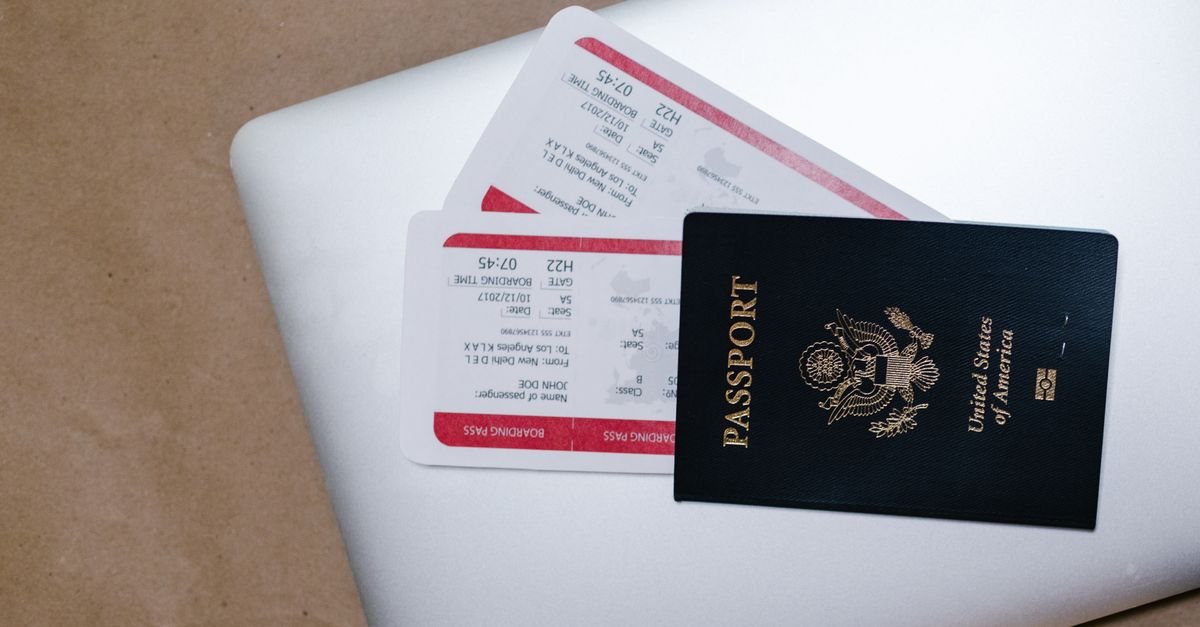
- Your home driving licence — the original, not a photo. Everything else is an attachment to it
- Your paper IDP, or your Japanese translation if you hold one of the six licences. A phone screenshot is explicitly refused
- Your passport — the landing stamp or entry record is what proves when your one-year clock started
- Cash — gate fees, run tickets and insurance are usually cash at the desk
- An inkan (personal seal) only if you are taking out a Nikko licence. Most visitors will never need one
And if none of this applies to you
You do not need a driving licence to sit in the passenger seat. Ebisu’s Drift Taxi is driven by a professional instructor and asks for no licence at all, and the paid ride-alongs at other venues are the same. If the paperwork above is going to take longer than your trip does, the passenger-seat ladder gets you sideways in Japan this year rather than next.
Frequently asked questions
Can I get an International Driving Permit after I arrive in Japan?
No. A Japanese International Driving Permit is issued by the prefectural police to people who already hold a valid Japanese driving licence — the Tokyo Metropolitan Police page states the procedure is for Japanese licence holders who want to drive abroad, costs ¥2,250 and needs at least three months left on the domestic licence. As a visitor you have to get your IDP from your own country before you fly.
What do I do if my licence is German, French, Swiss, Belgian, Monégasque or Taiwanese?
You drive on your original licence plus an official Japanese translation — a 1949 Geneva IDP does nothing for any of these 6 licences. The translation must come from a body named in the ordinance: the issuing authority itself, that country's embassy or consulate in Japan, JAF, ADAC for German licences, the Taiwan-Japan Relations Association or Zipplus for Taiwanese ones, or the Japan Inbound Drivers Support Association. A JAF translation costs ¥6,000 from 1 April 2026, plus roughly ¥20 a page to print it in Japan. JAF's own service cannot be applied for from abroad, so arrange it before you travel or have someone in Japan apply as your proxy.
Do I need a driving licence at all to drift on a Japanese circuit?
It depends on the venue, because a circuit is private land. Bihoku Highland Circuit's FAQ says plainly that no licence is required — not a circuit licence, not even a road licence — for simply running on its course, with cars from age 18. Mobara's own drift days are limited to licence holders, with exceptions judged on your competition or circuit record. Most other venues publish nothing, which means the organiser decides on the day.
 Paying for a Drift Day in Japan: Cash, Bank Transfer or Card? (2026)
  Do You Need a Circuit Licence to Drift in Japan? (2026)
  Can You Watch Drifting in Japan on a Normal Day? Gate Fees (2026)