How to Enter a Japanese Drift Track Day as a Foreigner (2026)
The Rundown
- A full drift track day in Japan typically costs ¥10,000–15,000; gate fees add ¥500 on weekends at most circuits.
- Most drift days are run by private organisers (走行会 sōkōkai), not the circuit itself — you book with the organiser.
- Booking is old-school: web forms at best, often email, sometimes FAX or a phone call in Japanese.
- Two different things get called insurance at Mobara: the omimai-kin goodwill pool is already inside the ¥15,000 entry, while a separate ¥2,000 share covers up to ¥30,000 of facility damage.
- Ebisu is the exception that proves the rule: official English entry documents exist there. Elsewhere, expect Japanese only.
Contents
Japan’s drift track days are cheap, frequent and welcoming — once you’re in. A full day runs ¥10,000 to ¥15,000, a gate fee adds about ¥500, and no motorsport licence is needed at most venues. The hard part is the front door: booking culture here predates the smartphone, and almost nothing is in English. Every fee and rule below comes from the circuits’ and organisers’ own pages, checked on 20 July 2026.
What a Japanese drift day actually asks of you
What a drift day costs
| Item | Typical price | Real 2026 examples |
|---|---|---|
| Full-day track day (circuit- or organiser-run) | ¥10,000–15,000 | Mobara NikoNiko (circuit-run) ¥15,000; YZ Chibikko Gang ¥10,000 |
| Half day | ¥6,500–8,500 | Mobara ¥8,500; Ebisu Course 5 half ¥6,500 |
| Free-run slot (where offered) | ¥3,000–4,500 | YZ 50-min slot ¥4,000 booked; Ebisu Kuru Kuru day ¥3,000 |
| Gate / spectator fee | ¥500 | Standard at Mobara (weekends), YZ, Bihoku, Meihan (Sun/hol) |
| Breakage share (¥30,000 of facility damage) | ¥2,000 | Mobara, one share. Separate from the omimai-kin pool, which is inside the ¥15,000 entry |
| Circuit licence (where required) | ¥5,000–10,000 | Nikko: ¥10,000 new, ¥5,000 renewal |
Tyres are your real budget line. Everything else is cheaper than you expect.
Who actually runs the day
Read a Japanese circuit calendar and you’ll see names like “NikoNiko”, “SEIMI STYLE”, “FLUKE”, “HitomiGO”. These are sōkōkai — private organisers who rent the track and sell entries. The circuit hosts them; the organiser is who you book with, who sorts drivers into groups (beginner / intermediate / advanced is common), and who sets the day’s rules.
You can watch this happening in public. Organisers announce their own dates and take their own entries directly — here is FLUKE, one of the Nikko regulars, promoting one of its own free-run days in June 2024.
"Tomorrow, June 4, is a free-run day at Nikko Circuit. About four of the people I was with at Bihoku are coming too. Car numbers are low, so we can all take it easy and get plenty of running in. We're still taking entries!"
明日6月4日は、日光サーキットでフリー走行会です♡ 備北でご一緒した方も4人位?来ると😀 台数少ないのでのびのびたくさん走りましょう😀 参加者も募集中です!
View the original post ↗This matters because it explains the booking chaos: each organiser has their own method. In one month at one circuit you’ll find web booking systems, email-only entries, a phone number, and an entry sheet you print and FAX. Yes, FAX, in 2026. Which organiser is running your date, and how they take entries, is the first thing to pin down, so our calendar of Japanese drift events lists each round with its fee and the day its entry window shuts.
Booking, ranked by difficulty
The unwritten rules that keep you welcome
The unwritten rules, as a checklist
- Arrive early and greet the organiser — a bow and a "yoroshiku onegaishimasu" buys enormous goodwill
- Walk the drivers' briefing even if you don't understand it — someone will translate the key points if you ask afterwards
- Respect group levels — if you're sorted into beginner, stay there until invited up. Sandbagging is noticed; so is honesty
- Noise limits are real — Nikko enforces 105 dB, and a gutted car with a screamer pipe can be sent home
- Leave the pit cleaner than you found it — Japanese paddock culture is tidy to a degree that surprises visitors. Match it
If the booking is the wall, hand it over
Japanese phone call, hanko, the organiser’s LINE group — that step is ours, and we bring the car. Drift experience in Japan, by region.
The realistic first-timer path
Start at Mobara (45 minutes from Tokyo by train, web booking, circuit-run drift days most weekends — scheduled dates only, there is no free-run) or an Ebisu event (English paperwork, rental operators on site). The fees, the schedule and the way Mobara’s booking site works are broken down in our Mobara Twin Circuit guide. Save the email-and-FAX circuits for trip number two — or bring someone who reads Japanese.
Frequently asked questions
Do I need a motorsport licence for a Japanese drift day?
Usually no — organiser-run drift days ask for a normal driving licence. The exception is circuits with their own licence system, like Nikko (¥10,000 new / ¥5,000 renewal), and sanctioned competition classes.
Can I book if I don't read Japanese?
Yes, but the forms will be in Japanese. The easiest route is a web booking system: Mobara Twin Circuit (Chiba) sells its own drift days at ¥15,000 that way. For email-only circuits like YZ Circuit (Gifu), whose free-run bookings open 30 days ahead and close 1 day before at ¥10,000 a day, a short bilingual email works. Machine-translate the page, write simple English plus a translated Japanese line, and confirm the price and start time in writing (fees checked on the circuits' pages on 20 July 2026).
What's a sōkōkai?
走行会, a private track day run by a shop, team or individual who rents the circuit and sells entries, typically ¥10,000 to ¥15,000 for a full day in 2026. The circuit's calendar lists them, but the organiser handles bookings, driver grouping (commonly 3 levels, from beginner to advanced) and the rules for the day, so the entry conversation happens with the organiser rather than with the circuit office.
What happens if I hit the wall?
You pay for what you break, and barrier repairs can be charged. At Mobara Twin Circuit the omimai-kin goodwill pool is already enrolled inside the ¥15,000 entry fee, and a separate breakage share costs ¥2,000 and covers facility damage up to ¥30,000. It is recommended rather than automatic, so ask for it at reception. Buy the equivalent wherever it is offered.
 Nikko Drift Victory 2026 & Kanto All-Star GP: How to Enter and Watch
  What Is JDC Drift? Japan Drift Champions Explained (2026)
 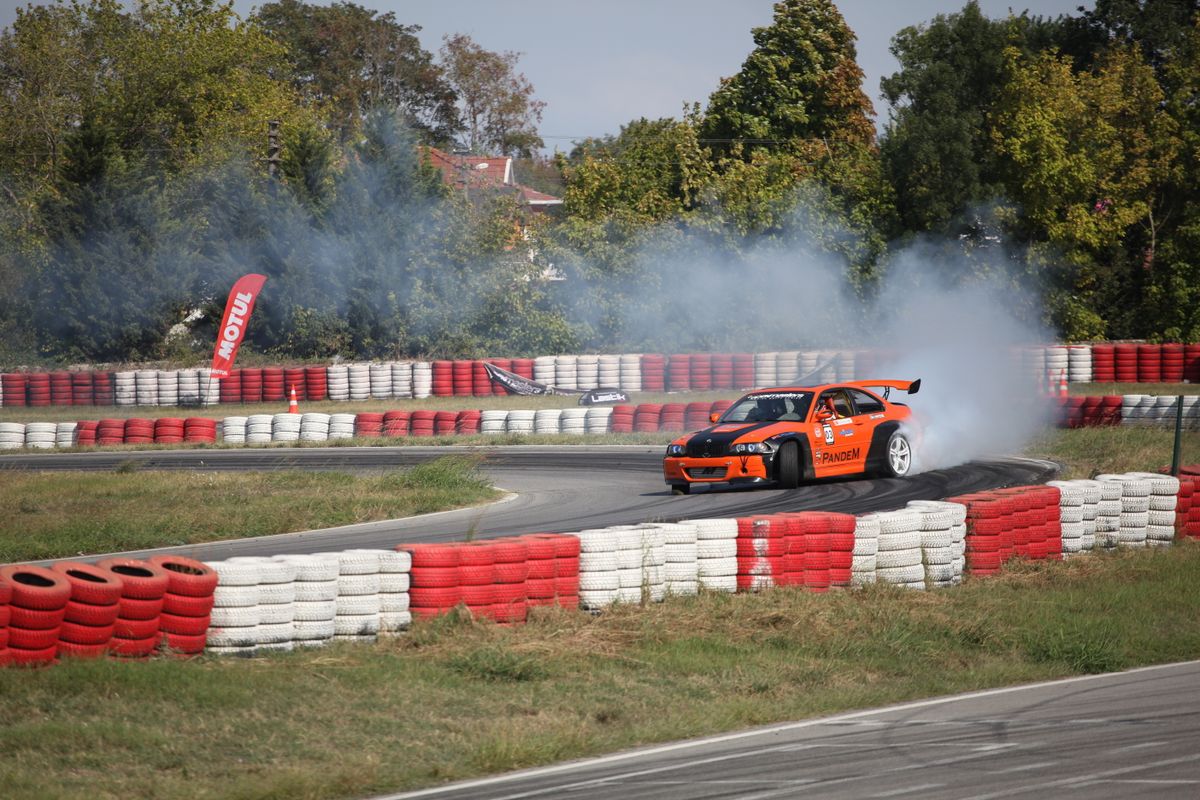 EDS Explained: How to Enter Ebisu's Drift Series in 2026
 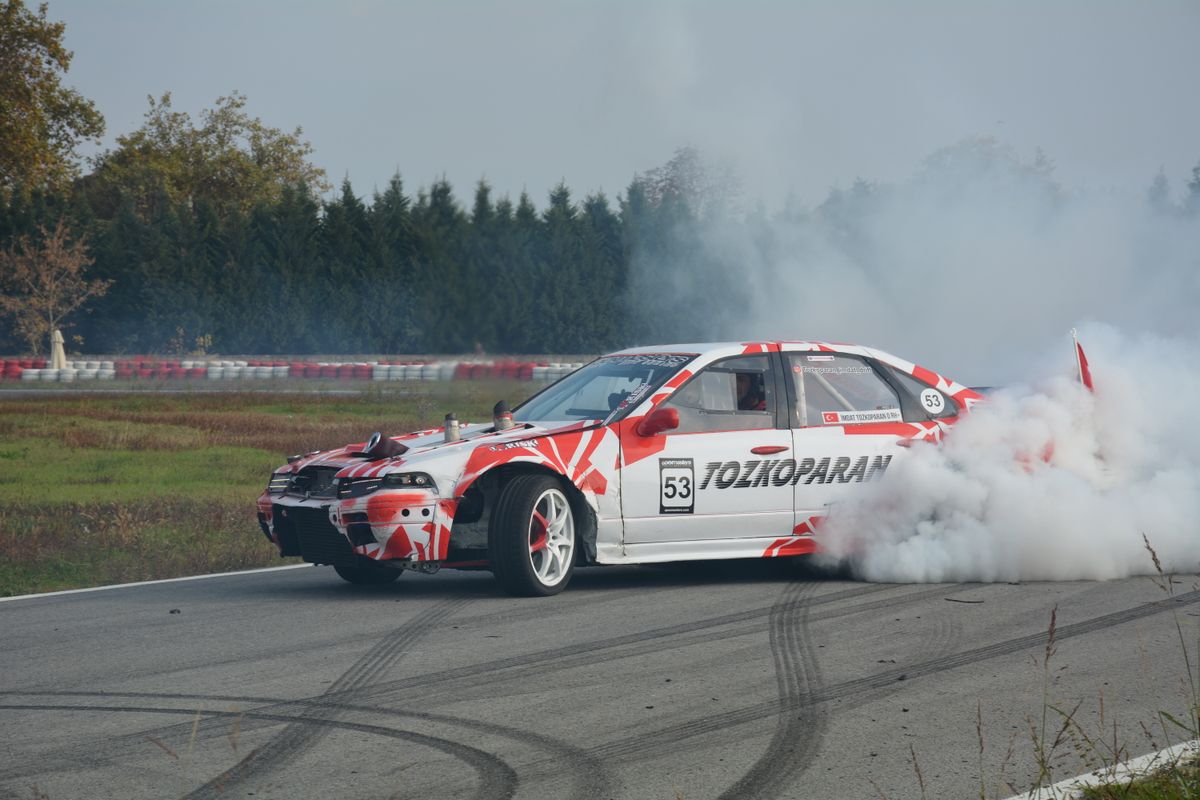 Ebisu Drift Matsuri: The Complete First-Timer's Guide (2026)