
GoPros and Shoot Permits at Japanese Drift Circuits (2026)
The Rundown
- Fuji Speedway (Shizuoka) requires prior permission for commercial photo and video shoots, and also for non-commercial filming intended for YouTube or other video sites, as of 6 November 2026; you send a plan and schedule and the circuit may refuse.
- Drones are banned without permission at Tsukuba Circuit (Ibaraki) and Suzuka Twin Circuit (Mie), and Suzuka Circuit (Mie) asks visitors not to fly them without permission; Suzuka Twin bans on-course filming, drones included, during its own free-run sessions (all checked 6 November 2026).
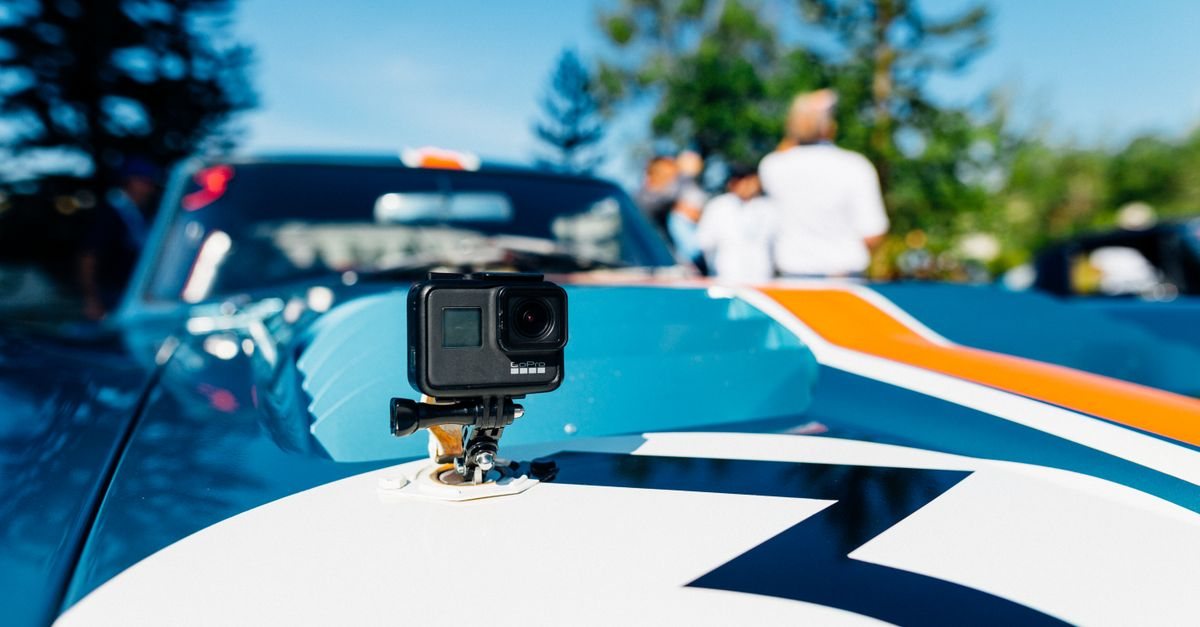
- Tsukuba Circuit allows an in-car camera only if the camera and its base together stay within 15 cm, with no extension stays, and bans cameras on a driver's helmet or suit.
- As of 6 November 2026, Nikko Circuit (Tochigi) bans filming on its premises without the consent of the participants and the car owners, while Minami Chiba Circuit (Chiba), Mobara Twin Circuit (Chiba) and Okuibuki Motorpark (Shiga) list filming as a use for a private hire.
Contents
Filming at Japanese drift circuits
A phone or GoPro for your own memories is usually fine at a Japanese drift circuit, as long as you follow that circuit’s camera-mount rule and, at Nikko Circuit (Tochigi), get the driver’s and owner’s consent. Drones are a different matter: Tsukuba Circuit (Ibaraki), Suzuka Twin Circuit (Mie) and Suzuka Circuit (Mie) all require permission, and anything shot for a channel or a client needs the circuit’s prior approval, which at Fuji Speedway (Shizuoka) includes non-commercial filming for YouTube. Every rule below was checked on the official pages on 6 November 2026.
We get this question in two forms. A visitor booked on a ride-along wants to know if the clip can go on Instagram. A travel videographer wants to know if a crew can turn up at a drift day and shoot an episode. The answers sit in Japanese small print on visitor notices, driving rules and hire pages, and most circuits only cover part of it.
What does each circuit say about drones and filming?
This is what each official page says. “Not stated” means we found nothing on the official site as of 6 November 2026. It is not a yes.
| Circuit (prefecture) | Drones | Commercial or channel filming | Notes | Source |
|---|---|---|---|---|
| Fuji Speedway (Shizuoka), including Fuji Speedway Drift Park | Not stated | Prior permission for commercial shoots, and for filming meant for YouTube even if not commercial; send a plan and schedule; may be refused | The drift course page lists photo, film and TV shoots as a use of the course | fsw.tv filming page |
| Suzuka Circuit (Mie) | Visitors asked not to fly without permission | Commercial filming only if the company permits; filming for live streaming or public transmission is restricted | Commercial shoots go through the operator | Visitor requests |
| Suzuka Twin Circuit (Mie) | Prohibited unless the company permits | Commercial photo and video banned outright, except photographers the company authorises | On its own free runs, all on-course filming (drones included) is banned; on a private hire, only with the hirer’s OK and a press application | Notice to visitors (PDF) |
| Tsukuba Circuit (Ibaraki) | Prohibited without permission | Course hire lists shoots as a use | In-car camera 15 cm max; no cameras on helmet or suit | Driving notes |
| Nikko Circuit (Tochigi) | Not stated | Not stated | No camera or video filming without consent of participants and car owners | Official site |
| Minami Chiba Circuit (Chiba) | Drone programme and video shoots quoted individually on a private hire | Through a private hire, by consultation | Sells its own corner footage to drivers, ¥1,000 for one month | Private hire |
| Mobara Twin Circuit (Chiba) | Not stated | Circuit hire lists filming as a use | Not stated for spectators | Official site |
| Gransnow Okuibuki / Okuibuki Motorpark (Shiga) | Not stated | Hire lists vehicle promotion and video shoots as uses | Consultation on request | Motorpark page |
| Ebisu Circuit (Fukushima), YZ Circuit East (Gifu), Meihan Sportsland (Nara), Motorland Mikawa (Aichi) | Not stated | Not stated | Nothing on the official sites as of 6 November 2026 | Official sites |
The pattern is clear even where the details differ. The big venues write their rules down. The smaller drift tracks mostly do not, which leaves the decision with the circuit office and the organiser on the day.
Can I put a GoPro in a car on a drift day?
For your own footage, generally yes, but the mount matters. Tsukuba Circuit (Ibaraki) is the only drift venue in this list with a written in-car rule: the camera and its base together must stay within 15 cm, extension stays are not allowed, and cameras or radios fixed to a rider’s or driver’s body or kit, such as a helmet or suit, are strictly prohibited. The same page asks anyone posting videos to respect other people’s privacy and portrait rights, and not to post abuse. If you are driving your own car there, our Tsukuba Circuit guide covers how to get on track.
If you are the passenger, the camera is going into someone else’s car. Nikko Circuit (Tochigi) spells this out under the heading 撮影禁止 (“filming prohibited”): no camera or video filming on the premises without the consent of the participants and the car owners. Ask the driver before you clip a phone mount to their dash, at Nikko and everywhere else. For how ride-alongs actually work at each track, see our guide to riding in a drift car in Japan.
Where the clip ends up changes the answer:
- Fuji Speedway (Shizuoka) says filming meant for YouTube or other video sites needs permission even when it is not commercial. Its drift pad, Fuji Speedway Drift Park, sits inside the same circuit.
- Suzuka Twin Circuit (Mie) prohibits putting sound or video online without permission as video that an unspecified number of people can watch.
- Suzuka Circuit (Mie) restricts filming done for live streaming or public transmission.
So a short video for your own camera roll is one thing. A public upload from Fuji or Suzuka Twin is something the circuit wants to approve.
Before you film on a drift day
- Check the camera-mount rule of the one circuit on your plan (Tsukuba: 15 cm, no helmet cams)
- Ask the driver and car owner before filming inside or of their car
- Decide now if the footage will go public; at Fuji and Suzuka Twin that needs the circuit's OK
- Bring a short written note of what you plan to film, in case staff ask
Can I fly a drone at a Japanese circuit?
Plan on no, unless the circuit has said yes in advance. Tsukuba Circuit (Ibaraki) prohibits drones and radio-controlled aircraft on its premises without permission. Suzuka Twin Circuit (Mie) lists flying a drone among its prohibited acts unless the company has given permission. During the circuit’s own free-run sessions it bans on-course filming entirely, drones included, and on a private hire it allows on-course filming only with the hirer’s permission plus a “press application” made at the reception office on the ground floor of the control tower. Suzuka Circuit (Mie) asks visitors not to fly drones or radio-controlled aircraft without permission, because they can disrupt operations.
Minami Chiba Circuit (Chiba) is the one drift venue that names drones as something it will quote for: its private-hire page says programme and video shoots including drones are priced individually. Fuji Speedway, Nikko, Ebisu, YZ Circuit East, Mobara, Meihan, Motorland Mikawa and Okuibuki publish no drone rule we could find.
Japanese law applies on top of the venue’s rule. The Ministry of Land, Infrastructure, Transport and Tourism (MLIT) requires every drone of 100 g or more to be registered, and flying over an event site, or closer than 30 m to people or property, is a category of flight that needs permission or approval. A drift day with a paddock full of people fits both. Our guide to filming at Japanese drift events covers the registration fees and spectator rules at D1 Grand Prix.
Don't get caught out
At Suzuka Twin Circuit (Mie), only cameras with a viewfinder may be used for on-course shooting, and smartphones and tablets are not allowed for it. Staff can also move you from a spot they consider dangerous. Commercial photo and video shoots are banned outright there unless you are one of the photographers the company authorises.
What if I’m shooting for a channel or a client?
Then you need the circuit’s permission before the day, and on an organiser’s day, the organiser’s too. Fuji Speedway (Shizuoka) describes the process: contact the circuit, discuss what you want to shoot, and send a proposal, plan and schedule. It says some shoots may be refused, so apply every time. It publishes no fee.
Suzuka Circuit (Mie) says commercial filming happens only if the company permits it, and it restricts filming for live streaming or public transmission. None of the circuit visitor pages we checked lists a public filming fee, so the cost of a shoot is part of what you ask for when you apply.
Several tracks offer the whole venue for a shoot instead. Tsukuba Circuit (Ibaraki) lists shoots among the uses for hiring Course 2000, Course 1000 or the gymkhana area. Minami Chiba Circuit (Chiba) handles drift filming and events by individual consultation, asks for hire requests at least a month ahead where possible, and accepts them up to 10 days before if no individual bookings are in. Mobara Twin Circuit (Chiba) lists filming among the uses for its circuit hire, and Okuibuki Motorpark (Shiga) lists vehicle promotion and video shoots among the uses for hiring the motor park. On a hire, the rules of your shoot are agreed with the circuit up front.
Shooting at someone else’s drift day adds a second permission. At Suzuka Twin, the hirer’s OK comes first and the press application second. On any organiser day, the drivers you film are paying entrants, and at Nikko their consent is written into the circuit’s rules.
Where does a filming request usually get stuck?
At the language and the lead time. Commercial filming permission is requested ahead of the date, in Japanese, by phone, email or a form, and Fuji wants a written plan and schedule before it decides. On an organiser’s day, the organiser has to agree as well, and that is a second Japanese conversation with someone whose contact details are often only on a Japanese entry page.
The shoot request is in Japanese, and it goes to two people
That is the part we take on: we find the drift day that fits your dates, put your shoot plan to the circuit and the day's organiser in Japanese, and pass their answer and conditions back to you before you travel. Permission is always the circuit's decision. Plan your drift day with us, including asking the circuit about filming in Japanese.
To see which venues run drift days on your dates and how each one takes bookings, start from the Track Directory.
Frequently asked questions
Can I fly a drone at a Japanese drift circuit?
Not without the circuit's permission, as of 6 November 2026. Tsukuba Circuit (Ibaraki) prohibits drones and radio-controlled aircraft on its premises without permission. Suzuka Twin Circuit (Mie) lists flying a drone as a prohibited act unless the company has given permission, bans all on-course filming including drones during its own free-run sessions, and allows it on a private hire only with the hirer's permission plus a press application at the control tower reception. Suzuka Circuit (Mie) asks visitors not to fly drones without permission. On top of the venue's rule, Japanese law requires every drone of 100 g or more to be registered with the Ministry of Land, Infrastructure, Transport and Tourism.
Do I need permission to film at Fuji Speedway for YouTube?
Yes. As of 6 November 2026, Fuji Speedway (Oyama, Shizuoka) states that commercial photo and video shoots inside the circuit need prior permission, and that filming intended for YouTube or other video sites needs permission even when it is not commercial. The circuit asks you to contact it, discuss the shoot, and send a plan, proposal and schedule, and says some shoots may be refused. Fuji Speedway does not publish a filming fee.
Can I put a GoPro on my car at Tsukuba Circuit?
Yes, within limits. As of 6 November 2026, Tsukuba Circuit (Shimotsuma, Ibaraki) allows an in-car camera only when the camera and its base measure 15 cm or less in total, and it prohibits mounting with extension stays. Cameras or radios fixed to a rider's or driver's body or kit, such as a helmet or suit, are strictly prohibited. The circuit also asks anyone posting videos to respect other people's privacy and portrait rights.
Can I film my drift ride-along in Japan?
Usually only with the driver's agreement, and some circuits put that in writing. As of 6 November 2026, Nikko Circuit (Utsunomiya, Tochigi) prohibits camera and video filming on its premises without the consent of the participants and the owners of the cars, so a passenger needs the driver and owner to agree first. At Fuji Speedway (Shizuoka), filming meant for YouTube needs the circuit's permission, and Suzuka Twin Circuit (Mie) prohibits putting video online for the public without permission.
 Can You Ride Along in a Drift Car Near Tokyo? Prices by Track (2026)
 Can You Go Drifting in Japan Tomorrow? Booking Lead Times (2026)
 Drift Experience in Japan (2026): Ride, Drive or Rent by Region
 Where Can You Actually Drift in Japan? Every Circuit Compared (2026)