
How Much Does It Cost to Drift in Japan? (2026 Prices)
The Rundown
- Watching starts at ¥500: the Saturday gate fee at Mobara Twin Circuit (Chiba), which is free on weekdays and also hosts national D1 NEXT rounds.
- The cheapest published passenger ride is ¥500, HYPER DRIVE's one-coin ride at Fuji Speedway, with no reservation needed.
- Circuit running fees are the smallest line: ¥5,000 for a full day at Bihoku Highland, ¥8,500 at Ebisu. They exclude fuel, tyres and transporting the car, so they are not the cost of a day.
- A full drift day at Ebisu Circuit is ¥8,500, or ¥5,500 from December to March, but four new VALINO GREEVA tyres cost ¥47,600 from the maker's own store.
- Your hire car legally cannot go on track: Toyota Rent a Car's own terms prohibit competition and circuit use, and a C1-class car costs ¥8,580 per 24 hours purely to reach the gate.
Contents
The three rungs, cheapest realistic price
Drifting in Japan is far cheaper to watch and far more expensive to do than almost anyone expects. Watching starts at ¥500 and a passenger ride starts at ¥500. Driving is where the real numbers begin, and where the published figures mislead hardest. A circuit will sell you a full drift day for ¥5,000 at Bihoku Highland or ¥8,500 at Ebisu Circuit (Fukushima), but that is the running fee and nothing else: no fuel, none of the ¥47,600 four new drift tyres cost, and nothing toward getting a car to the gate in the first place. Every figure below was read off the venues’ and makers’ own pages on 14 September 2026, in yen, with the dollar figures converted at ¥160 only as a rough guide.
What does it cost to watch?
Less than a coffee at most circuits. Mobara Twin Circuit in Chiba charges ¥500 on Saturdays and holidays and nothing at all on weekdays — and because Mobara hosts rounds of the national D1 NEXT series, a sanctioned national-series round can cost you that same ¥500. Bihoku Highland in Hiroshima is ¥500 flat, Nakayama in Okayama is ¥500 Monday to Saturday with parking included, Suzuka Twin is ¥500 on weekdays, and Meihan Sportsland in Nara charges ¥500 only on Sundays and holidays. Ebisu is the outlier at ¥1,700, which buys the whole site for the day.
Events cost more but not much more. The Ebisu Drift Matsuri is ¥2,500 for an adult across the entire matsuri period, both days, paid at the gate with no advance sale and no ticket agency. A D1 Grand Prix round is the expensive end: for the Ebisu rounds on 26–27 September 2026, reserved seats run ¥6,600 to ¥11,000 in advance and ¥8,800 to ¥14,300 on the day, with the top SS tier already sold out when we checked, plus ¥1,000 for parking, sold same-day only.
A discount almost nobody outside Japan knows about
For the D1GP Ebisu rounds, Fukushima's Lawson convenience stores sell A and B reserved seats at ¥6,600 and ¥5,500, below the normal advance price. It is a prefecture-local channel, so it is invisible to anyone booking from abroad.
What does it cost to ride?
The cheapest seat in a drifting car in Japan is ¥500. HYPER DRIVE SCHOOL runs a “one-coin drift experience” at Fuji Speedway where you ride in the passenger seat, and their page states plainly that no advance booking is required. Add Fuji’s ¥1,200 gate and you are in a sliding car for ¥1,700.
Above that, the ladder is short and the prices jump:
| What | Where | Price | Notes |
|---|---|---|---|
| One-coin passenger ride | HYPER DRIVE, Fuji Speedway | ¥500 | No reservation; add ¥1,200 gate |
| Passenger ride | Tsukuruma Circuit (Tochigi) | ¥500 | Cash only; passenger needs the same helmet and kit as the driver |
| Ride-along right | Mobara Twin | ¥1,500 | Buys the right to sit in; you still need an entrant willing to take you |
| Passenger insurance | Ebisu | ¥500 per person | Compulsory, enrolled at the gate |
| Hot Lap, minimum 3 laps | SidewaysX, at Ebisu | ¥25,000 | Plus ¥2,200 passenger circuit pass |
| Drift Taxi, 45 minutes | Fukushima tourism, at Ebisu | ¥50,000 per car | Up to 3 people; helmet rental included; insurance ¥500 each extra |
The drift taxi looks expensive until you notice it is priced per car for up to three people, which makes it ¥16,667 each for a 45-minute session with helmets included. That is the honest comparison nobody draws.
What does it cost to drive your own car?
This is where Japan is startlingly cheap by international standards, but be careful which number you plan around. The lowest figure anyone can quote is ¥2,500 for a 30-minute slot on Suzuka Twin’s drift-only D course, weekday, booked in advance — and that is genuinely all it is: half an hour, plus a ¥500 gate, bookable by phone only, by 16:00 the day before, in Japanese, with no email option. Nobody flies to Japan for thirty minutes.
The number that actually matters is a full day, and the honest range starts at ¥5,000.
| Venue | Full day | Notes |
|---|---|---|
| Ebisu, Course 4 (six courses) | ¥8,500 | Insurance included in the drift fee |
| Ebisu, winter rate (1 Dec – 31 Mar) | ¥5,500 | The cheapest full drift day at a major Japanese venue |
| Bihoku Highland, A course | ¥5,000 (¥4,000 Jan–Feb) | No reservation needed — turn up and drive |
| YZ Circuit East (Gifu), one same-day slot | ¥5,500 all-in | Gate ¥500 + slot ¥4,500 + timing ¥500 |
| Fuji Speedway Drift Park, 1-day | ¥9,900 | Twelve 20-minute sessions; licence holders only |
| Mobara Twin, booked 7+ days ahead | ¥15,000 | Transponder included |
| Tsukuruma (Tochigi) | ¥15,000 | Cash only |
| Okuibuki (Shiga), individual run | ¥15,000 per person | Weekdays only, from 3 days out |
| Meihan Sportsland | not published | Its published fee table covers karts and bikes only; drift runs on organiser hire days, so the organiser sets the price |
That column is a running fee, not a day's cost
Every number above buys track time and nothing else. Before any of it applies, the car has to exist in Japan and reach the gate, and that is where the money actually goes.
- Getting the car to the circuit. Many track-prepared drift cars carry no valid shaken and so cannot legally be driven on public roads, which is why transporters are ordinary here rather than exotic. Toyota Rental Lease publishes a car-transporter truck at ¥28,270 for 24 hours, ¥23,100 for 12 hours, plus a ¥2,200 waiver. That is roughly five times the Bihoku running fee.
- Fuel. No circuit publishes it. It shows up only as an inclusion or exclusion inside packages, and a drift day burns a lot of it.
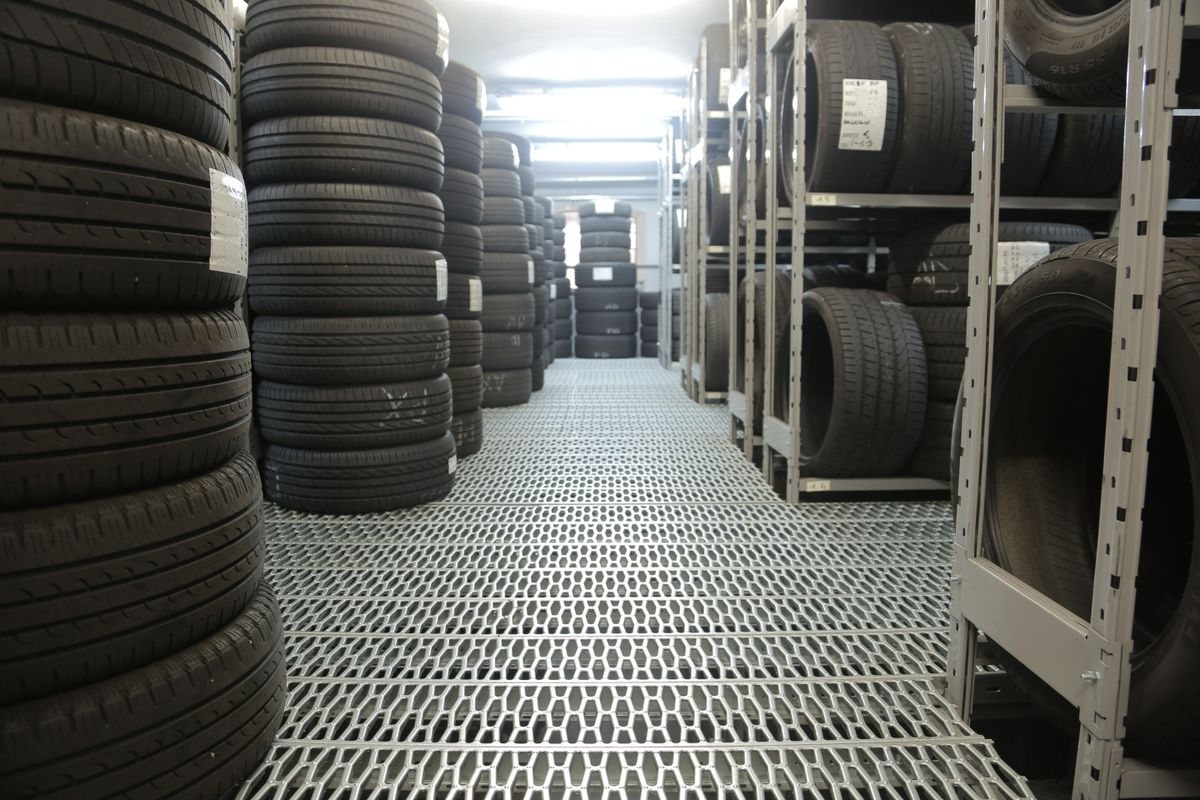
- Tyres. ¥47,600 for four, as below.
- Keeping the car somewhere. Minami Chiba publishes vehicle storage at ¥10,000 a month plus tax, which is the published price of the arrangement where the car simply lives at the track.
The number nobody quotes: tyres
Here is the finding that reframes the whole question. At Ebisu, a full day on the drift courses is ¥8,500. A VALINO GREEVA 08D in 215/45R17 is ¥11,900 per tyre from VALINO’s own store, so a set of four is ¥47,600. SidewaysX’s own guidance is that a driver will generally need two to three pairs for a day, which puts a day’s rubber at ¥47,600 to ¥71,400. VALINO is the premium end of the market, though — the cheapest tyres D1 actually registers start around ¥12,650, and our drift tyre directory puts every brand’s price for the same 265/35R18 rear side by side.
The tyres cost 5.6 times the track. At Ebisu’s ¥5,500 winter rate they cost 8.7 times the track. Every page that answers “how much does it cost to drift in Japan” with a day rate and stops is answering the wrong question.
And when they are finished, they are your problem: Ebisu’s own drift page instructs you to take your tyres and parts home. There is no waste-tyre line anywhere in its fee list.
The costs that catch visitors out
Budget lines nobody mentions
- Everyone in your car pays the gate. Ebisu is ¥1,700 a head on a normal day, Central Circuit ¥1,000 each, Mobara ¥500 each at weekends. A group of four adds up before anyone drives.
- Helmets are essentially never rented. No Japanese drift venue we checked publishes a helmet rental price, and Ebisu requires a full-face or jet helmet with no rental mentioned. Packaged products like the Fukushima drift taxi include one; independent running does not.
- Your hire car cannot go on track. Toyota Rent a Car's terms prohibit competition and circuit use, and Nippon carries the same clause. A C1-class car is ¥8,580 for 24 hours and exists purely to get you to the gate.
- Insurance is sometimes in, sometimes out. At Ebisu it is inside the drift fee but grip running adds ¥500. Passengers are ¥500 each. Suzuka Twin's annual sports insurance starts weeks after you apply, so a short trip ends before cover begins.
- Paddocks and pits are extra. Mobara is ¥1,000 a paddock; a pit at the Ebisu Matsuri is ¥2,000–¥10,000 on top of the ¥20,000 entry, bookable only inside the advance window.
Three realistic days
Watching, on a budget. Weekday at Mobara: gate free, train and taxi to the circuit, done. On a Saturday, ¥500. If you time it to a D1 NEXT round, you are watching a national series for the price of a vending-machine coffee.
Riding, as a visitor. Fuji: ¥1,200 gate plus ¥500 for the one-coin ride. Or Ebisu with SidewaysX: ¥25,000 for the hot lap plus ¥2,200 for the passenger pass, which is a different order of experience and price.
Driving your own car for a day at Ebisu. ¥8,500 for the running fee, ¥1,700 each for anyone with you, ¥500 per passenger for insurance, ¥47,600 for four tyres you will take home in bits, and, if the car has no shaken, a transporter at ¥28,270 for 24 hours to get it there and back. The track is the cheap part, and it is not close.
If you would rather watch than drive this trip, our Ebisu Drift Matsuri guide covers the dates and the entry windows, and the 2026 event calendar lists every confirmed date. The track directory has the venue-by-venue detail behind the table above.
The bookings are the part that costs you the trip
Suzuka Twin takes drift bookings by phone only, by 16:00 the day before, in Japanese. Ebisu's matsuri pits sell only inside a 12-day online window. Okuibuki opens individual running three days out and only if nobody has hired the site. Those windows, and the Japanese-language calls behind them, are what we take on. Send us your dates and we'll tell you what is actually bookable that week.
Frequently asked questions
How much does it cost to drift in Japan?
It depends which rung you want. Watching starts at ¥500 (the Saturday gate fee at Mobara Twin in Chiba, free on weekdays) and a passenger ride starts at ¥500 with HYPER DRIVE at Fuji Speedway. Driving is the expensive rung: for a visitor that means renting, from roughly ¥83,000 for a day with the car included. Circuit running fees of ¥5,000 to ¥15,000 apply only if you already have a car in Japan, and exclude fuel, tyres and transport. All prices were read on the venues' own pages on 14 September 2026.
What is the cheapest way to see drifting in Japan?
Turn up at Mobara Twin Circuit in Chiba on a weekday, when the gate is free, or on a Saturday for ¥500. The same circuit hosts rounds of the national D1 NEXT series, so a sanctioned national-series round can cost the same ¥500 gate fee. Bihoku Highland, Nakayama and Meihan also charge ¥500 on their charged days, and the Ebisu Drift Matsuri charges ¥2,500 for the entire multi-day event.
Can I drive a rental car on a Japanese drift track?
No. Toyota Rent a Car's published terms prohibit using the car for competition or on a circuit, and Nippon Rent-A-Car carries the same clause, both read on 14 September 2026. A normal hire car in Japan, from ¥8,580 for 24 hours in the C1 class, is for reaching the circuit and nothing more. To drive on track you need a drift-specific rental from an operator who supplies cars for that purpose, or your own car.
How much do drift tyres cost in Japan?
A VALINO GREEVA 08D in 215/45R17 is ¥11,900 per tyre from VALINO's own online store as of September 2026, so four are ¥47,600. Operators commonly advise two to three pairs for a full day, which puts a day's rubber between ¥47,600 and ¥71,400. That is 5.6 times the ¥8,500 cost of the track day itself at Ebisu, and 8.7 times Ebisu's ¥5,500 winter rate.
 Drift Car Rental in Japan: Costs and Who Pays for Crashes
  Can You Drift in Okinawa? Multi Field Okinawa Guide (2026)
  What Licence You Need to Drive or Drift in Japan (2026)
  Nakayama Circuit Drift Days 2026: Dates, Fees and Getting There