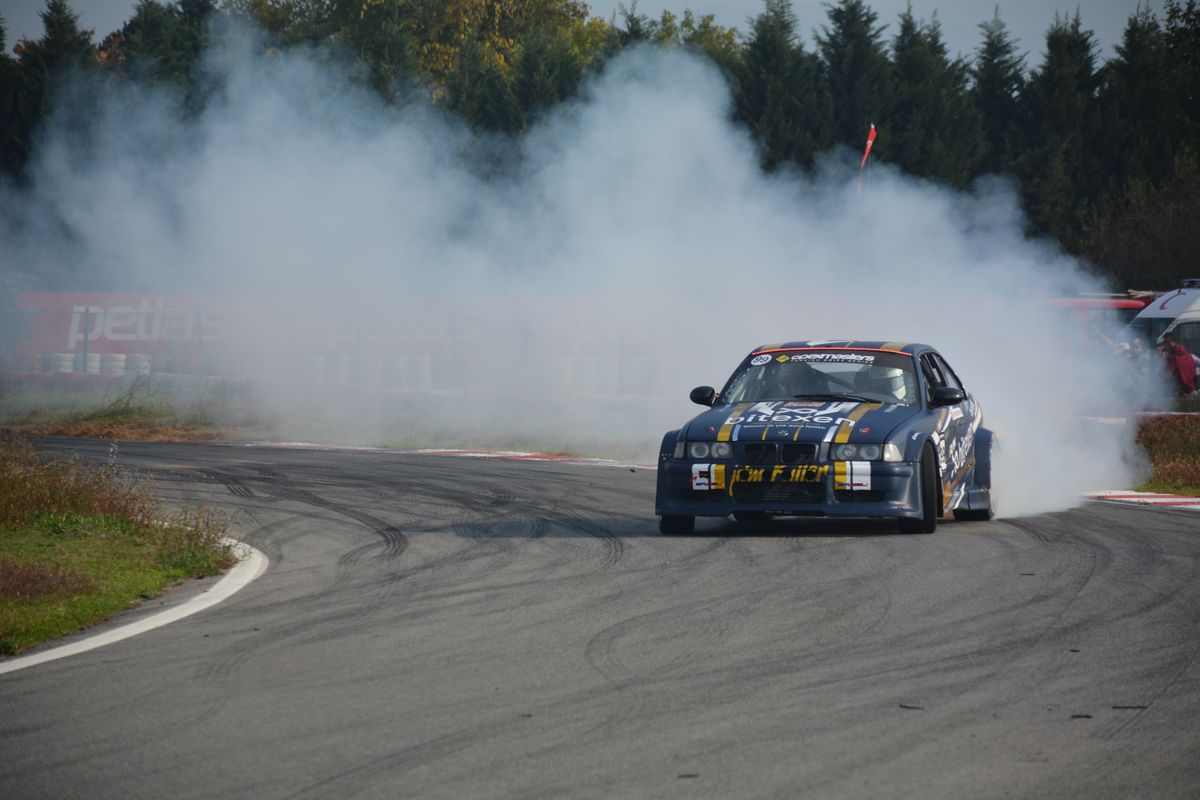
Mobara Twin Circuit: Tokyo's Closest Drift Track (2026)
The Rundown
- Mobara is the only proper drift venue you can reach from Tokyo without a car: about 45 minutes by JR to Mobara Station, then a 15–20 minute bus or taxi.
- There is no drift free-run — none. Drift happens only on scheduled days: the circuit's own grip/drift track days (¥15,000 full booked ahead / ¥8,500 half, same-day only), organiser days, lessons and D1 NEXT rounds. A blank day on the schedule means grip members and karts alternating — turning up on one gets you no drifting.
- Drift Land — a dedicated practice area inside the East course — is group-hire only: ¥50,000+tax per half day for the skidpad area, ¥70,000+tax for the outer loop. No rental drift cars either (rental karts only).
- Spectating is the cheapest in Kanto: ¥500 gate fee on weekends, free on weekdays.
- D1 NEXT Series Central visits twice more in 2026: Sep 13 (normal direction) and Nov 8 (reverse layout), entry ¥19,800.
Contents
Every drift trip to Japan hits the same wall: the famous tracks assume you have a car. Ebisu is 3.5 hours from Tokyo by road. Nikko needs a two-hour drive. But there’s one proper drift venue where the wall doesn’t exist — Mobara Twin Circuit in Chiba, where a JR train from Tokyo Station plus a short taxi puts you trackside for less than the cost of lunch.
Mobara Twin Circuit at a glance — verified August 2026
Why access is the whole story
| Route | Time | Notes |
|---|---|---|
| Train: Tokyo Stn → Mobara Stn | c. 45 min (JR) | Then 15–20 min by local bus or taxi to the circuit |
| Car: Chonan-Mobara IC | +7 min | Via the Ken-O expressway network |
| Gate fee | ¥500 weekends/holidays | Weekdays free; re-entry is charged again |
No other circuit with regular drift running comes close to this. It makes Mobara the default answer to two common situations: “I’m in Tokyo for a week and want to watch real grassroots drifting,” and “I have access to a car in Japan and want seat time without an expedition.”
The “Twin” in the name means two circuits — East and West. Everything drift-related happens on the East course and the areas inside it.
Read this first: there is no drift free-run
Before the calendar, the single most important fact about Mobara. The one that decides whether your trip works at all. You cannot turn up on a random day and drift. Mobara sells no walk-up drift free-run of any kind: the official schedule’s own legend states that blank days are alternating running for four-wheel members, a grip programme, and racing karts. Arrive on one of those days with a drift car and you will watch grip laps from the fence.
Every minute of drifting at Mobara happens on a day that’s printed on the East course schedule in advance: the circuit’s own grip/drift track days, an outside organiser’s day, a drift lesson, or a D1 NEXT round. In a typical month that’s roughly six to eight drift-marked days, of which two to four are open-entry circuit-run days, so the schedule check isn’t a formality, it’s the first step of the plan. Our calendar of Japanese drift events carries the confirmed rounds with their fees and entry deadlines, which is the same check in English.
The drift calendar: the days that do exist
Mobara’s own drift running comes as circuit-hosted track days, all at the same price:
| Day type | Who runs it | 2026 dates on the August schedule | Cost |
|---|---|---|---|
| NikoNiko drift & grip days | The circuit (Saturdays, 12 cars/class) | Aug 29 · Sep 12 | ¥15,000 full / ¥8,500 half |
| SUNDAYMEETING & holiday drift & grip days | The circuit (Sundays/holidays, 15 cars/class) | Aug 30 · Sep 22 | ¥15,000 full / ¥8,500 half |
Two pricing details the headline numbers hide: ¥15,000 is the advance-booking rate for a full day (it rises to ¥16,000 after the deadline, seven days before), and the ¥8,500 half day is sold on the day only, if classes aren’t full. Watch one more asterisk — some dates run grip classes only (the circuit marks these), so confirm the drift classes are on the menu for your specific date when you book.
NikoNiko days split the field into beginner, intermediate and advanced drift groups, add a reverse-layout class, and cap entries at 60 cars, a civilised format if you’re not ready to share track with seasoned locals at full pace.
The rest of the drift calendar is other people’s days on the same track: outside organisers’ track days (Team Pegasus, Tom-sō and others hire the East course regularly — entry goes through the organiser, not the circuit), plus two fixtures worth knowing:
- Kuniaki Takahashi Drift Lesson, a pro-led school day (next: Sep 2, B-course area only). School bookings open exactly one month before each date.
- D1 NEXT Series Central — Japan’s national amateur-to-pro feeder series races here on Sep 13 (normal direction) and Nov 8 (reverse layout). Entry is ¥19,800, and a provisional licence can be issued on the day after a ¥2,200 briefing. As a spectator, that’s a national championship round for a ¥500 gate fee.
Drift Land: the dedicated practice area
Inside the East course, Mobara opened Drift Land, a purpose-built practice zone, and the reason the circuit markets itself to drifters year-round. Know what it is before you plan around it: Drift Land is group hire, not walk-in.
| Area | What you practise | Published rate (half day) | Limits |
|---|---|---|---|
| A course | Skidpad plaza — donuts, figure-8s | ¥50,000 + tax | Max 3 cars out at once |
| B course | The outer loop | ¥70,000 + tax (+ ¥600/person insurance) | Up to 20 cars; helmets mandatory |
Half-day slots run 9:00–12:00 and 13:00–16:00 (gate opens 8:00). One quirk worth knowing: under a local noise agreement the circuit can’t run 30 minutes continuously, so sessions are broken up with a checkered flag roughly every 15 minutes. Booking is old-school — phone to check availability, then a fax entry form, with payment by bank transfer a week ahead. The published rates date from the Drift Land opening announcement, so re-confirm pricing when you book.
Split between friends, the maths is appealing: the A-course pad shared by six drivers works out under ¥10,000 a head for a half day of unlimited-repetition practice. The kind of session that’s nearly impossible to buy at home.
Booking and paperwork
- Track days book through the circuit’s web reservation system (mobaratc.resv.jp), a genuine rarity in Japanese grassroots motorsport, where most circuits still expect phone calls in Japanese. The system itself is Japanese-only, but it’s navigable with browser translation.
- Schools (Takahashi lesson etc.) open one month before each date.
- Damage compensation scheme: the circuit runs an optional vehicle damage cover; from the 2026 season, joining costs ¥2,000 per unit (you’ll need to show a driving licence and valid shaken . The Japanese roadworthiness certificate — to enrol).
Whether the circuit officially welcomes non-Japanese-speaking entrants is not stated anywhere on the official site — English support is TBC, and unlike Ebisu there are no English entry documents. Treat that as the honest trade-off: Mobara wins on access and booking convenience, Ebisu wins on foreigner infrastructure.
On-site practicalities
The facility is more comfortable than the average Japanese grassroots circuit. There’s a proper restaurant on site — BRANDS, serving lunch plates, ramen and pasta from 11:30 to 13:30, with the room open as a rest area outside those hours, which matters more than it sounds in July heat or January cold. Rental karts run in the lunch break and evenings for anyone in your group who isn’t driving (no licence needed, 150 cm minimum height), so a mixed spectator-and-driver party isn’t stuck watching from the fence all day.
One caution for planners: the circuit’s own notices say events can be cancelled at short notice for weather or course conditions, and they ask visitors to confirm by phone before travelling. If your whole trip hinges on one specific Saturday, have a backup date — or a backup circuit from the drift tracks within reach of Tokyo.
The gate fee is charged per entry
Weekend and holiday entry is ¥500, and leaving and coming back means paying again. Weekdays are free. Bring cash and plan to stay put for the day.
No free-run means the date decides everything
Mobara only drifts on its scheduled days and the schedule is Japanese-only. We match your dates to a real drift day near Tokyo.
Where this one sits — north to south
- EbisuFukushima · 3.5 h drive from Tokyo
- NikkoTochigi · 2 h drive from Tokyo
- Mobara Twin you are hereChiba
- YZ EastGifu
- Meihan SportslandNara
- Bihoku HighlandOkayama
The six circuits that carry Japan's grassroots drift scene, ordered north to south. Full details for every venue — including the ones that don't allow drifting — are in the track directory, and every circuit is pinned on the drift track map.
The realistic first visit
The circuit treats its competition weekends as something to come and watch, not only something to enter. This is how its own channel announced a D1 regional round in July 2025:
"July 27 is Round 3 of the D1 Central Division. The halfway point of the series! The judge is Kamimoto-san. There is the live stream, of course, but spectators are welcome at the venue too."
7月27日はD1セントラルディビジョンの第3戦!シリーズ折り返し!審査員は神本さんです!ライブ配信はもちろん、会場での観戦も歓迎です!
View the original post ↗Go as a spectator first. Pick a NikoNiko Saturday or a D1 NEXT round, ride the JR line out from Tokyo Station, pay your ¥500, and stand at the fence of the closest drift track to the capital. You’ll see the standard of Kanto grassroots driving, how the paddock works, and whether your next trip should be the one where you’re on the entry list.
Frequently asked questions
Can I just turn up on a normal day and drift?
No. Mobara Twin Circuit (Chiba) sells no drift free-run at all. The official schedule's own legend says blank days are alternating running for four-wheel members (grip) and racing karts, so a day with no drift event marked is a day you cannot drift, full stop. On the schedule verified in August 2026 that leaves roughly 6 to 8 drift-marked days in a typical month, of which 2 to 4 are open-entry circuit-run days at ¥15,000 for a booked full day or ¥8,500 for a same-day half. Match your visit to one of those published days before you plan anything else.
Can I drift at Mobara without my own car?
Not through the circuit. Unlike Ebisu, Mobara Twin Circuit (Chiba) listed no rental drift car programme on its official site when we checked it in August 2026, and the only rentals are karts (no licence needed, 150 cm minimum height). Plan on bringing or borrowing a Japanese-registered car, or going as a spectator first: the gate fee is ¥500 at weekends and holidays and free on weekdays, which is the cheapest way to see a D1 NEXT round in Kanto. Whether any organiser offers seats to visitors is not officially stated.
Can foreigners join a NikoNiko drift day?
There is no official statement either way: the site, schedule and booking system at Mobara Twin Circuit (Chiba) are Japanese-only and English support was still TBC when we checked in August 2026. What is published is the format, and it is beginner-friendly: NikoNiko Saturdays split the field into beginner, intermediate and advanced drift groups with 12 cars per class and a 60-car cap, at ¥15,000 for a full day booked in advance. The web reservation system at least removes the phone-call barrier that blocks most visitors at other Japanese circuits.
Is Drift Land open for walk-in practice?
No. Drift Land, the practice area inside Mobara's East course, is a private-hire facility: you book a half-day slot for your group (9:00–12:00 or 13:00–16:00) by phone and fax form, and pay by bank transfer in advance. The published rates are ¥50,000 plus tax for the A-course skidpad, capped at 3 cars on track at once, and ¥70,000 plus tax for the B-course outer loop with up to 20 cars and ¥600 per person insurance. For turn-up-style driving, the organiser and circuit-run drift days at ¥15,000 are the route in.
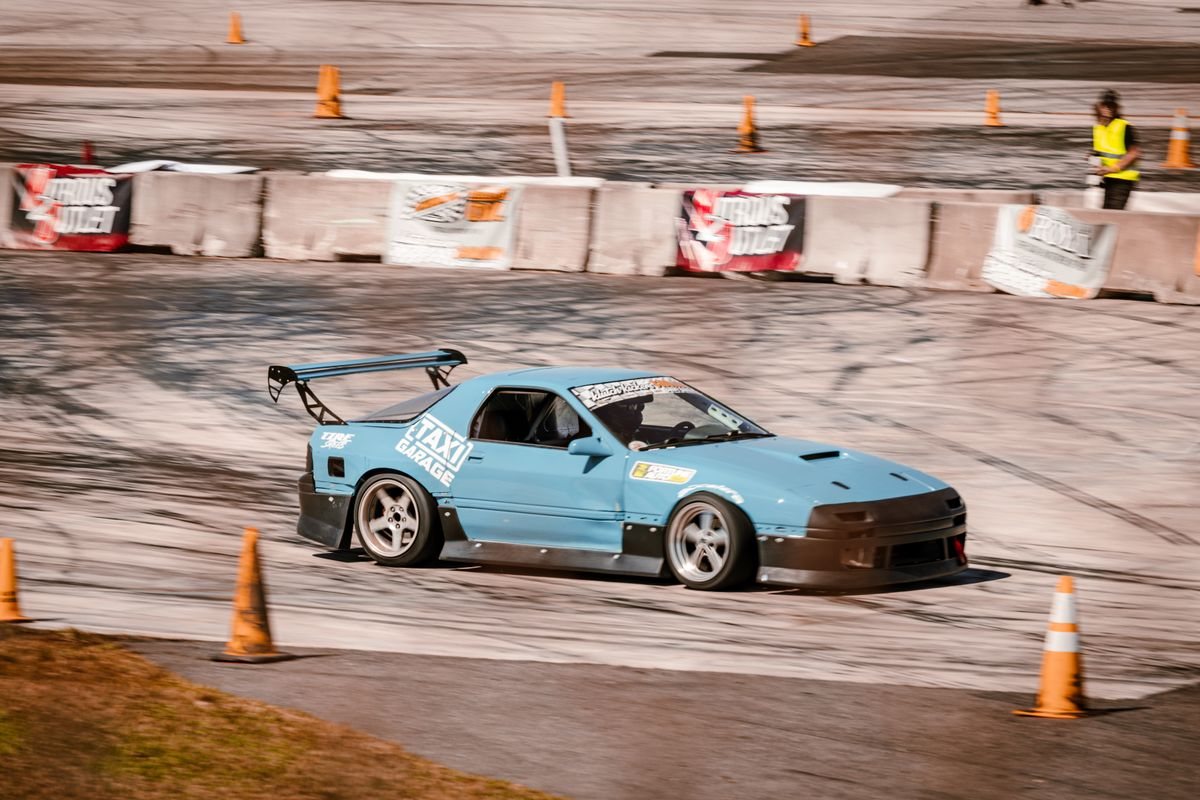 Minami Chiba Circuit: Drift Fees, Access from Tokyo & Schedule (2026)
 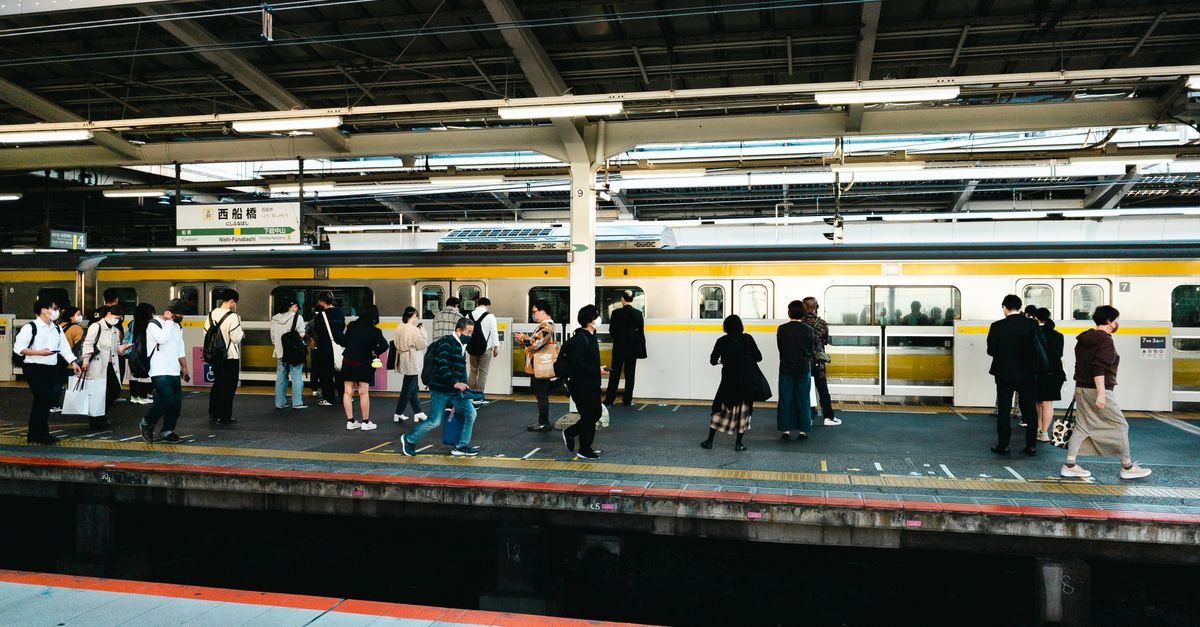 How Do You Get to Mobara Twin Circuit Without a Car? (2026)
 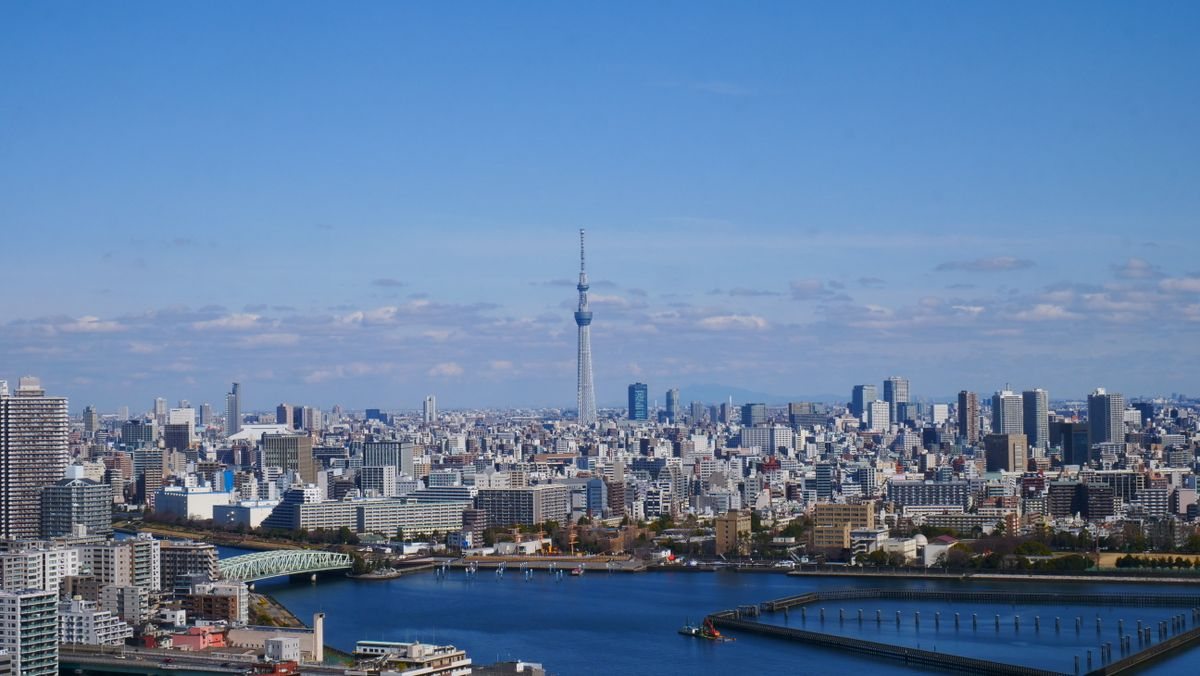 Drifting in Kanto (2026): Every Track You Can Reach From Tokyo
 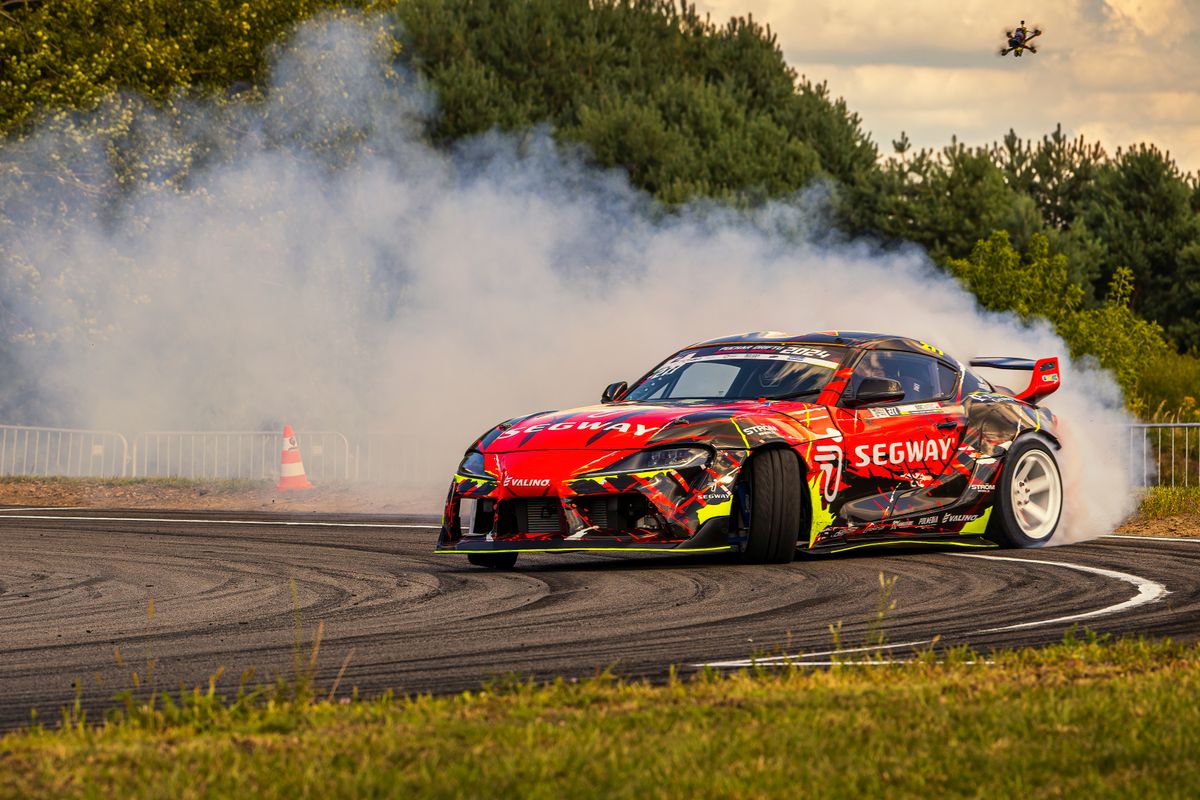 Where Can You Actually Drift in Japan? Every Circuit Compared (2026)