
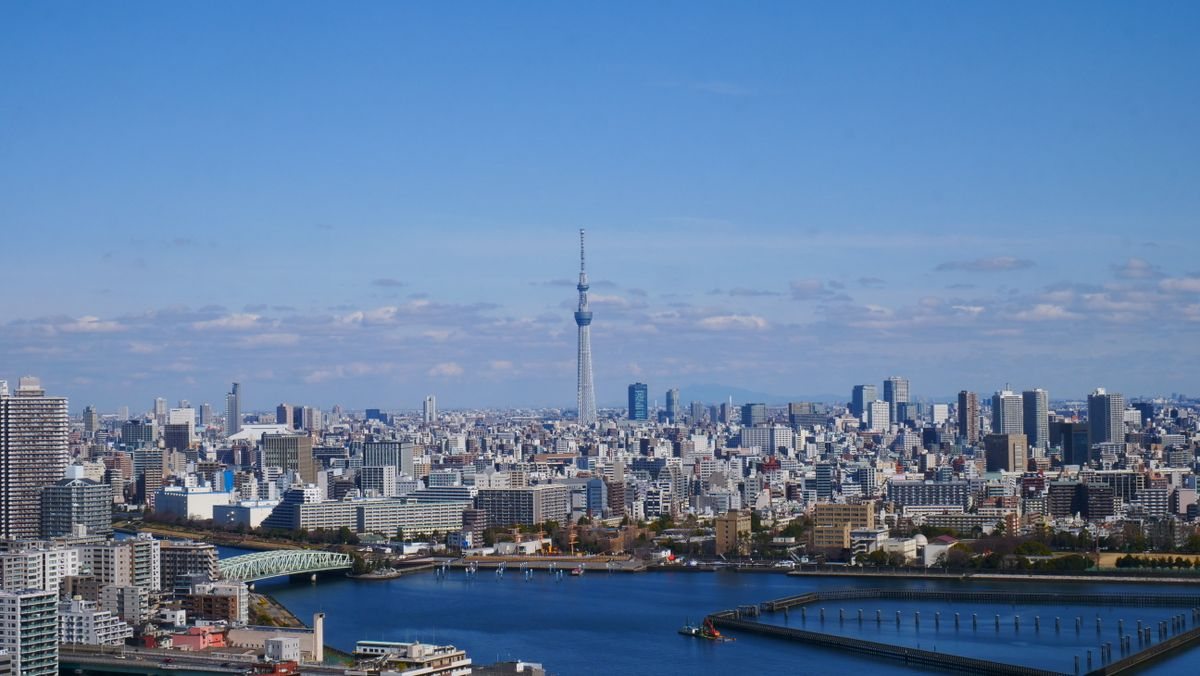
Drifting in Kanto (2026): Every Track You Can Reach From Tokyo
The Rundown
- Four of the twelve Kanto venues we checked ban drifting in writing: Honjo since FY2020, Okegawa Sports Land since FY2013, Asamadai even for gymkhana cars, and K's K Circuit in Ibaraki where the handbrake itself counts as drifting.
- Ibaraki's answer is Tsukuba Circuit, and it is better than the internet thinks. The circuit publishes a formal Course 1000 drift regulation — reverse direction, twelve cars, banned zones — but drifting only happens on days somebody has hired, never as an individual booking.
- The one product a car-less visitor can actually buy near Tokyo is a Tsukuba gymkhana-course slide day: ¥29,700 for the lesson class with unlimited instructor ride-alongs, plus ¥38,500 for a right-hand-drive Roadster or 86 on slide tyres with fuel included.
- Mobara stays the cheapest real drift day in Kanto at ¥15,000 for a full day booked ahead, and it is the only proper drift venue with a train station and a web booking system.
- Gunma's only drift running is a private hirer's day at Gunma Cycle Sports Center. The venue publishes the date and the format but says plainly it does not know the fee — it hands you the hirer's phone number and you negotiate.
Contents
You have a Tokyo hotel, 10 days and no car. Search for drift tracks near Tokyo and you get a list of names, half of them from footage filmed 15 years ago. What you do not get is the only thing that decides your week: which of the 12 venues below will sell running to a visitor, what the very first booking action is, and whether any of it can be done before you land. Six will; four ban drifting in writing.
Twelve venues across Chiba, Tochigi, Ibaraki, Saitama and Gunma, judged on those questions. Every fee, date and rule below was read off the official pages on 15 August 2026, except the one price that says otherwise in the line itself.
Drifting from a Tokyo base — checked 15 Aug 2026
What each venue actually sells
| Venue | Where | Can a visitor drift here? | The money |
|---|---|---|---|
| Mobara Twin | Mobara, Chiba | Yes, on scheduled run days only — circuit-run grip/drift days on Saturdays, Sundays and holidays; no free-run, and blank schedule days are grip members & karts | ¥15,000 full day booked ahead; ¥8,500 for AM or PM, same-day reception only |
| Tsukuruma Nasu | Nasushiobara, Tochigi | Yes — drift is one of four sports-running categories, no reservation needed | ¥15,000 full day, ¥10,000 half, cash, plus a compulsory ¥5,000 circuit licence |
| Nikko | Utsunomiya, Tochigi | Yes, through organisers. The circuit’s own sport running needs its licence | Licence ¥10,000 new (incl. ¥4,000 insurance), ¥5,000 renewal; organiser fees vary |
| Tsukuba | Shimotsuma, Ibaraki | Only on a hire day — Course 1000 and the gymkhana course, never as an individual slot | Organiser’s entry, e.g. ¥29,700 for a gymkhana slide day. Hiring it yourself: ¥145,200 and up |
| Minami Chiba | Ichihara, Chiba | Yes, coached, in a car you are lent | ¥10,000 one-off membership, ¥2,000 credited per booking, non-refundable. The one-hour beginner EX was ¥45,000–50,000 on the fee sheet we last read in July 2026 |
| Gunma Cycle Sports Center | Minakami, Gunma | Only on a private hirer’s day on the multipurpose plaza | The hirer’s fee, which the venue does not know. Plaza hire itself: ¥50,000 a weekday half day |
Two rows need a warning label. Mobara’s half-day ticket is same-day reception only. The advance web booking buys the full day, and its classes cap at twelve cars on a NikoNiko Saturday and fifteen on a Sunday Meeting or a circuit-run holiday. And Nikko’s kit list for a new licence still ends with a hanko, also called an inkan: the personal name seal that stands in for a signature on Japanese paperwork, which nobody arriving from abroad owns.
Ibaraki: Tsukuba is the answer, and almost nobody says so
The English internet treats Tsukuba as a grip-only time-attack venue. Its own documents say otherwise. The circuit publishes a Course 1000 drift running regulation, dated February 2022, and it is specific: drifting runs anti-clockwise, the reverse of the normal direction; there are marked no-drift sections where you slow to a crawl; a maximum of twelve cars can be on course at once; running is 9:00–12:00 and 13:00–16:00 with no extension; every sixty minutes must contain a fifteen-minute interval; and passengers need the circuit’s ¥500 insurance. Organisers have to declare drifting when they apply, and the circuit then decides whether the day is allowed.
The gymkhana course works the same way and is where most of it happens. Tsukuba states flatly that it runs no individual sports-running slots there — hire only, resurfaced in August 2017, and no licence system at all. Look at the circuit’s own event calendar for August 2026 and the scene is obvious: an Ito Auto Service drift run day on 8 August, ZENKAI DRIVING slide-and-grip days on 9 and 20 August, a Tsukuba 1000 run day covering grip, drift and formula on 25 August, and a slide control school on a fully watered surface on 26 August.
That last category is the one to book. ZENKAI DRIVING’s wet slide training on the gymkhana course costs ¥29,700 per car, tax included, for the lesson class: eight cars only, a water truck soaking the surface so the tyres survive, unlimited instructor ride-alongs, classroom before and after, and a week of email follow-up either side. A second driver in the same car is ¥11,000, so two of you is ¥40,700. Gate opens at 11:00, running is 12:30–16:00.
Why this one suits a visitor better than any circuit does
- You do not need a car. A Mazda Roadster or Toyota 86 — right-hand drive, manual, LSD, slide tyres, fuel included — is ¥38,500
- The surface is wet on purpose, which is how dorisha (drifters) are taught here without destroying a set of tyres per session
- An instructor sits with you, and you can ride in his car first
- You pay by card or bank transfer through a web entry form, not at a desk in cash
- Book stupidly early. On 15 August both the 20 August and 3 September 2026 dates were already marked full
Hiring Tsukuba yourself is a real option for a group, and the price sheet is public: the gymkhana course is ¥145,200 for a weekday full day, ¥81,400 for a morning, ¥253,000 on a Saturday or public holiday and ¥286,000 on a Sunday from March to December, with a rental water truck at ¥22,000 a day. Course 1000 for four-wheel use is ¥440,000 a weekday, dropping to ¥363,000 in the January, February, July and August discount window. But read the hire rules before you dream: applications are by web form only, from seven days out, the usage contract is posted to you to sign and seal and post back, the full amount goes by bank transfer thirty days ahead, cancellation costs 50% at ninety days and 100% inside fifteen, and Tsukuba states it will not accept applications made by agents on someone else’s behalf. That last line is worth knowing before anyone offers to book it for you.
Gunma: the venue publishes the date and refuses to publish the price
Gunma has no drift circuit. What it has is Gunma Cycle Sports Center in Minakami — Gunsai to everyone who drives there — where the circuit itself is normally bicycles only and cars have to either hire the course or join a shop’s soukoukai (走行会, a run day a shop or club rents the venue for and sells entries to).
On 30 July 2026 the venue posted a notice on behalf of a hirer: drift participants wanted for Thursday 15 October 2026, 9:00–16:00 on the multipurpose plaza, no running 12:00–13:00, noise limit 103 dB. The format is steady-state circles, figure-eights and a simple drift course, beginner to intermediate, about ten cars. Kit is a helmet, long sleeves, long trousers, proper shoes, and every window closed where someone is sitting. Whether it happens at all is judged around 15 September, one month out.
Then comes the sentence that ends the plan for most overseas readers. The venue says it does not know the rest of the run day’s content including the price, and that you should ask the hirer. You phone 0278-25-3423 or email [email protected], Gunsai passes you a private individual’s phone number or email address, and you negotiate the whole thing directly, in Japanese, with a stranger.
That handover is the wall, and it is exactly what we take on
Getting a stranger's phone number from a Japanese circuit and then agreeing a price, a start time and a kit list with them — in Japanese, weeks before you fly, for a day that might be cancelled on 15 September — is not something you can do from another country. Send us your travel window and the venue you are aiming at and we will make that call, hold the conversation with the hirer, confirm the fee and whether your licence and car will be accepted, and send it back to you in English. The same goes for the rental-car email that ZENKAI DRIVING requires before you may pay, and for the Japanese-only entry forms behind it. If the last few kilometres do not work out on the day, we will arrange that leg and come with you — send your dates and the venue you want. Actual costs at cost plus a handling fee, quoted as one total up front.
Tracks people ask about that do not work
Four bans, all of them in the venue's own rules
Honjo Circuit (Saitama). One line in its running regulations: drifting prohibited from the 2020 financial year. Okegawa Sports Land (Saitama) — four-wheel drifting banned since the 2013 financial year, blamed on deteriorating manners, with the event stopped and the hire fee kept if it happens; its own price sheet labels the four-wheel hire line "sports running (drifting prohibited)", and the venue's regular sports running is motorcycles only. Asamadai Sports Land (Katori, Chiba. Not Saitama, as often listed) — ¥4,000 for a half day of free running with no reservation, but drifting is prohibited and even a gymkhana car may not run in an extreme drift-like style. K's K Circuit (Hitachiota, Ibaraki) — grip only, and it spells out that using the handbrake or clutch to change the car's attitude counts as drifting; free running is suspended and new memberships are closed, so private hire from ¥25,000 a day is the only door, and it is a grip door.
Two more save a wasted drive. Nasu Motor Sports Land brands itself a motorcycle-only circuit on its own front page. ICC Ibaraki Central Circuit in Ishioka is a gymkhana club venue whose free running days are gymkhana practice sessions, 8 and 29 August and 19 September 2026, no advance application, with no drift product published. And Kanagawa, for all its car culture, has no drift venue we could verify at all; its shops run their days over the prefecture line.
Getting there without a car
Two venues have a published rail route and both finish with a taxi. Tsukuba’s own access page gives it door to door: Tsukuba Express from Akihabara to Moriya, change to the Kanto Railway Joso Line towards Shimodate, off at Sodo, then about 6 km and fifteen minutes by taxi. Mobara is roughly 45 minutes from Tokyo Station by JR plus a 15–20 minute bus or taxi, which still makes it the easiest proper drift track in Japan to reach without driving.
The rest end in a car. Minami Chiba’s own site calls public transport very difficult and says to come by car, which is precisely why the English “Tokyo drift experience” tours exist and bundle a hotel pickup. Tokyo itself has no drift circuit at all, so if you are arriving with no car and no Japanese, start from what a drift experience costs by region, which prices the packaged Chiba days against Minami Chiba’s own rental drift hour — published at ¥45,000 on a weekday and ¥50,000 at weekends and holidays, tax included, re-read off the circuit’s current page on 7 September 2026. Tsukuruma sits in a district with no scheduled bus. And Gunsai’s access page, checked on 15 August 2026, publishes an address, a phone number and a request to drive quietly past the neighbours: no station, no bus, no walking time, anywhere.
Kanto is not short of asphalt. It is short of doors that open from outside Japan. One web booking system at Mobara, one entry form at Tsukuba’s organisers, and a lot of phone numbers. Work out which door you are going through before you fix your route, because the good ones close months early.
Frequently asked questions
Can you drift at Tsukuba Circuit?
Yes, but never on an individual booking. Tsukuba publishes a formal Course 1000 drift running regulation, dated February 2022, which sets drifting anti-clockwise — the reverse of the normal direction — with marked no-drift sections, a maximum of twelve cars on course, running only 9:00–12:00 and 13:00–16:00, and a fifteen-minute interval inside every hour. It applies to private hire only, and organisers must declare drifting when they apply. The gymkhana course is the same story: the circuit states it runs no individual sports-running slots there, only hire, and its own event calendar for August 2026 listed a drift run day on 8 August, slide-and-grip days on 9 and 20 August, and a slide control school on 26 August.
Which Kanto drift track can I reach from Tokyo without a car?
Two, honestly. Mobara Twin Circuit in Chiba is about 45 minutes from Tokyo Station by JR plus a 15–20 minute bus or taxi. Tsukuba Circuit publishes its own rail route: Tsukuba Express from Akihabara to Moriya, change to the Kanto Railway Joso Line towards Shimodate, off at Sodo, then a taxi of about 6 km and 15 minutes. Every other Kanto venue we checked ends in a car. Minami Chiba's own site calls public transport very difficult, and Gunma Cycle Sports Center's access page publishes an address and road-manners warnings with no station, bus or walking time at all (checked 15 August 2026).
Why do so many Saitama circuits ban drifting?
Because they wrote it into their rules and left it there. Okegawa Sports Land's hire regulations say four-wheel drifting has been prohibited since the 2013 financial year, blame deteriorating manners among users, and warn that a drift during a hired run day stops the whole event with no refund of the hire fee — its own hire price sheet even labels the four-wheel line 'sports running (drifting prohibited)'. Honjo Circuit's running regulations carry a single line: drifting prohibited from the 2020 financial year. Neither is a rumour and neither has been reversed, so a Saitama drift trip does not exist in 2026.
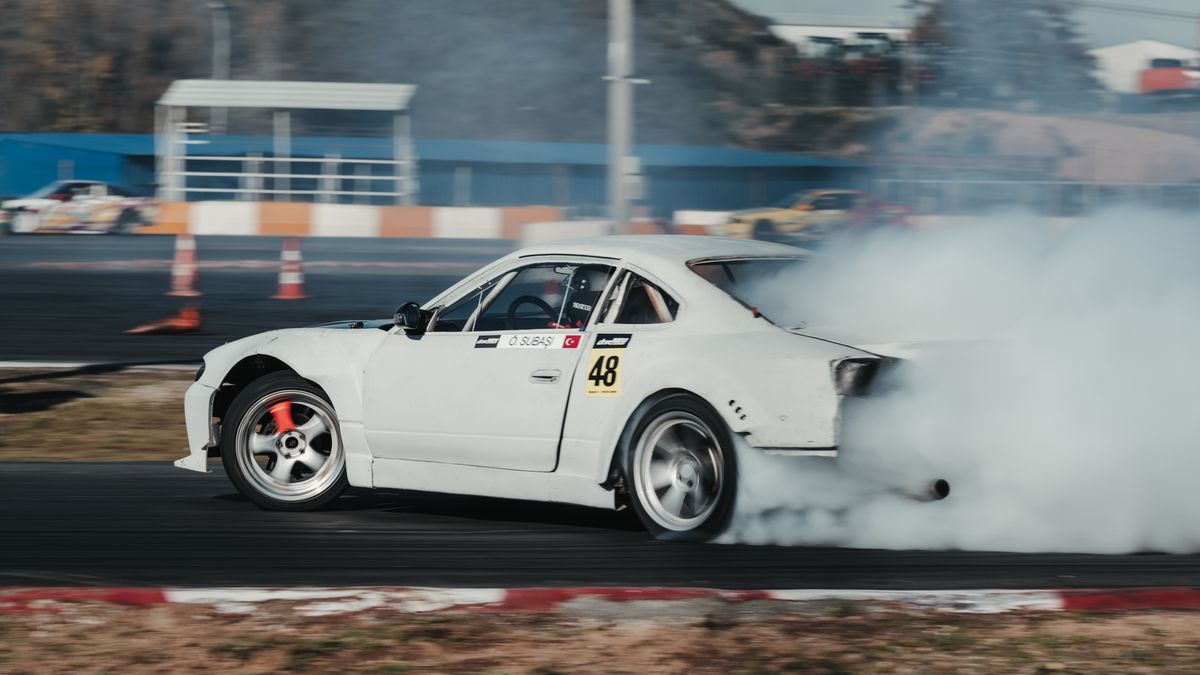 Can You Drift in Saitama? Honjo Circuit and Nearest Drift Days (2026)
  Can You Drift at Gunsai? Every Car Day You Can Enter (2026)
 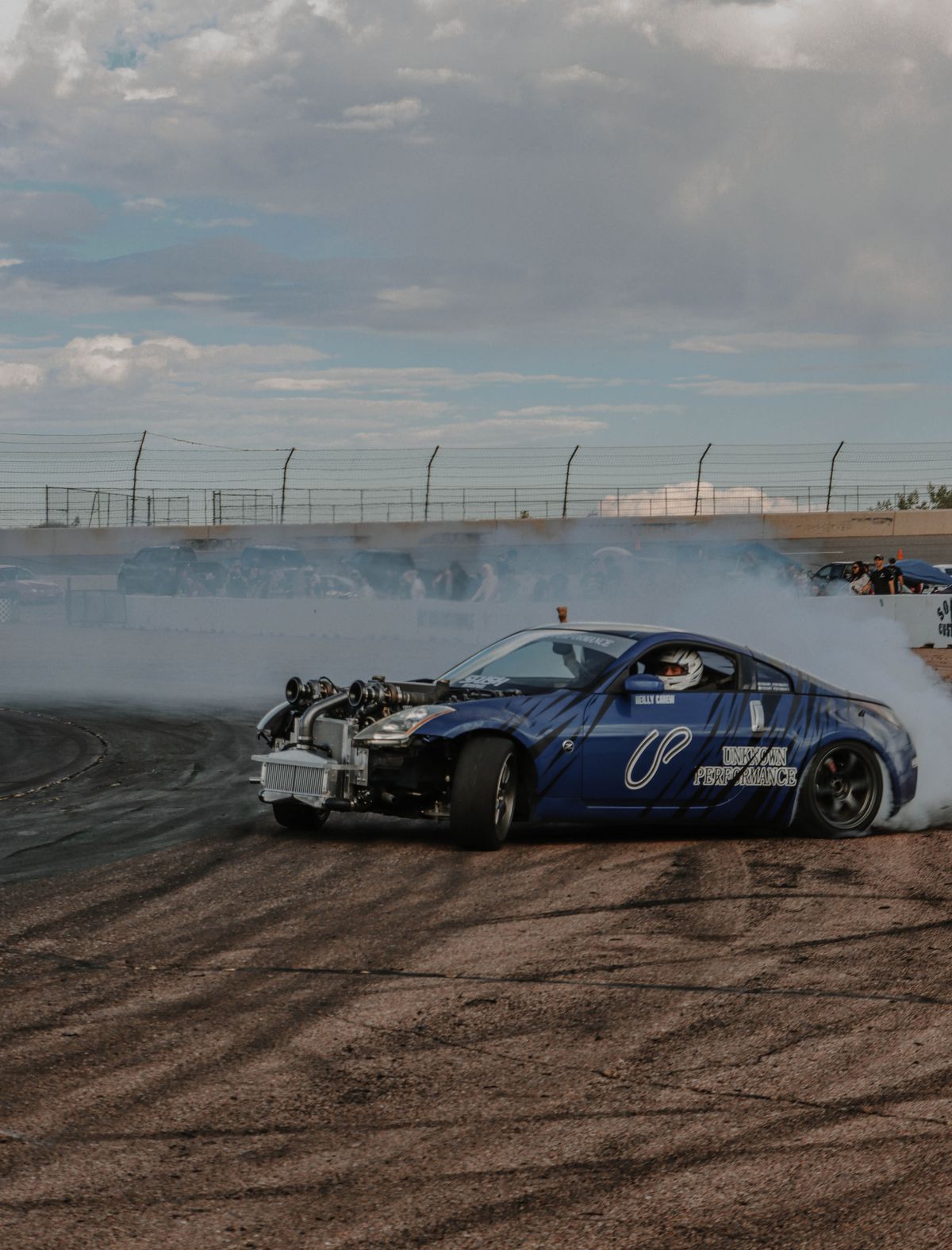 Nikko Circuit: Licence, Fees & Drift Days Explained (2026)
  Can You Drift at Sodegaura Forest Raceway? Rules, Fees, Options (2026)