
Best Clutch for Drifting: What Japanese Drifters Run (2026)
The Rundown
- The volume choice in Japan is a single metal clutch: ORC's 409D (rated 420 N·m) carries 247 owner reviews on Minkara averaging 4.39/5.
- Nismo's Super Coppermix High-Power single is officially rated for a 420 PS SR20DET and lists at ¥139,700 for S13/S14 as of September 2026.
- Twin plates start making sense around 500 PS: ORC rates its 559 twin at 630 N·m and the 659 twin at 735 N·m.
- A grabby clutch passes clutch-kick shock straight into the gearbox — ORC sells an SE mechanism that cuts engagement shock by about 40% specifically to protect the drivetrain.
- Bed a new disc in for roughly 500 km before your first clutch kick — one documented owner destroyed an un-bedded disc in a single drift session.
Contents
Drift clutches in Japan — the numbers
The clutch most Japanese drift cars actually run is a single plate — either a metal single like ORC’s 409D, rated 420 N·m and backed by 247 owner reviews averaging 4.39/5 on Minkara, Japan’s biggest car-owner review site, or a copper-mix single like Nismo’s Super Coppermix High-Power, officially rated for a 420 PS SR20DET at ¥139,700 for S13/S14. Twin plates buy torque capacity, but Japanese owners keep re-learning the same expensive lesson: the grabbier the clutch, the sooner a stock gearbox dies. Every rating and price here was checked on the makers’ official pages on 9 September 2026, and the failure stories come from owners’ own logs.
What clutch do Japanese drifters actually run?
Walk any Japanese drift paddock and the sound gives it away: the metallic shara-shara (シャラシャラ) — the idle rattle of a lug-drive metal disc — is so much part of the culture that one 180SX owner on Minkara admits he fitted a metal clutch mostly for the noise, and ORC sells a silent version for everyone else’s neighbours.
Behind the sound, the market is clearly sorted. ORC (Ogura Racing Clutch) is the volume default — its 409D single metal is the most-reviewed aftermarket clutch we could find on Minkara, and owners repeatedly describe modern metal singles as far friendlier than their reputation: light pedal, real half-clutch (hankura, 半クラ — the partial-engagement zone), full drive. Nismo’s Super Coppermix takes the opposite route to the same place: a copper-mix friction material and a big 240 mm disc, built — in Nismo’s own words — to be the strongest single that a 420 PS SR20DET owner can still use every day. Exedy covers both ends with the Hyper Single and the competition Compe-R twin, OS Giken’s twin plate is the classic big-power choice with decades of history, and Cusco’s copper single is the budget entry, marketed by Cusco explicitly for drift use.
Two things you will not find in Japanese drift paddocks: carbon exotica on street-registered dorisha (drift cars), and stock clutches on anything making real boost.
How much clutch does your power level need?
Japanese makers publish real torque ratings, which makes this the rare tuning question with an official answer. The ladder, from ORC’s own capacity table plus Nismo and Cusco ratings:
| Clutch | Type | Official rating | Where it fits |
|---|---|---|---|
| Cusco copper single | copper single | approx. 400 PS | first strengthened clutch, budget builds |
| Nismo Super Coppermix (Standard) | copper-mix single | 422 N·m / 380 PS | tuned SR20DET street-and-track |
| ORC 309D | metal single | 340 N·m | light tune |
| ORC 409D | metal single | 420 N·m | the S-chassis default |
| Nismo Super Coppermix High-Power | copper-mix single | 530 N·m dynamic / 420 PS | the “strongest usable single” |
| ORC 559 twin | metal twin | 630 N·m | ~500 PS, 1JZ/2JZ swaps |
| ORC 659 twin | metal twin | 735 N·m | big single-turbo builds |
| ORC 1000F triple | metal triple | 980 N·m | drag-spec power |
Notice what the ladder implies: everything below roughly 500 PS is single-plate territory. The mistake is reading it as a pure power question. One 180SX owner on Minkara spelled out the sharper logic — he deliberately stayed on an organic ORC 400Light at boost-up power because his gearbox was stock and unstrengthened. In Japan the clutch is chosen to match the weakest drivetrain part, and on an S-chassis that part is never the clutch.
Why do metal clutches blow gearboxes?
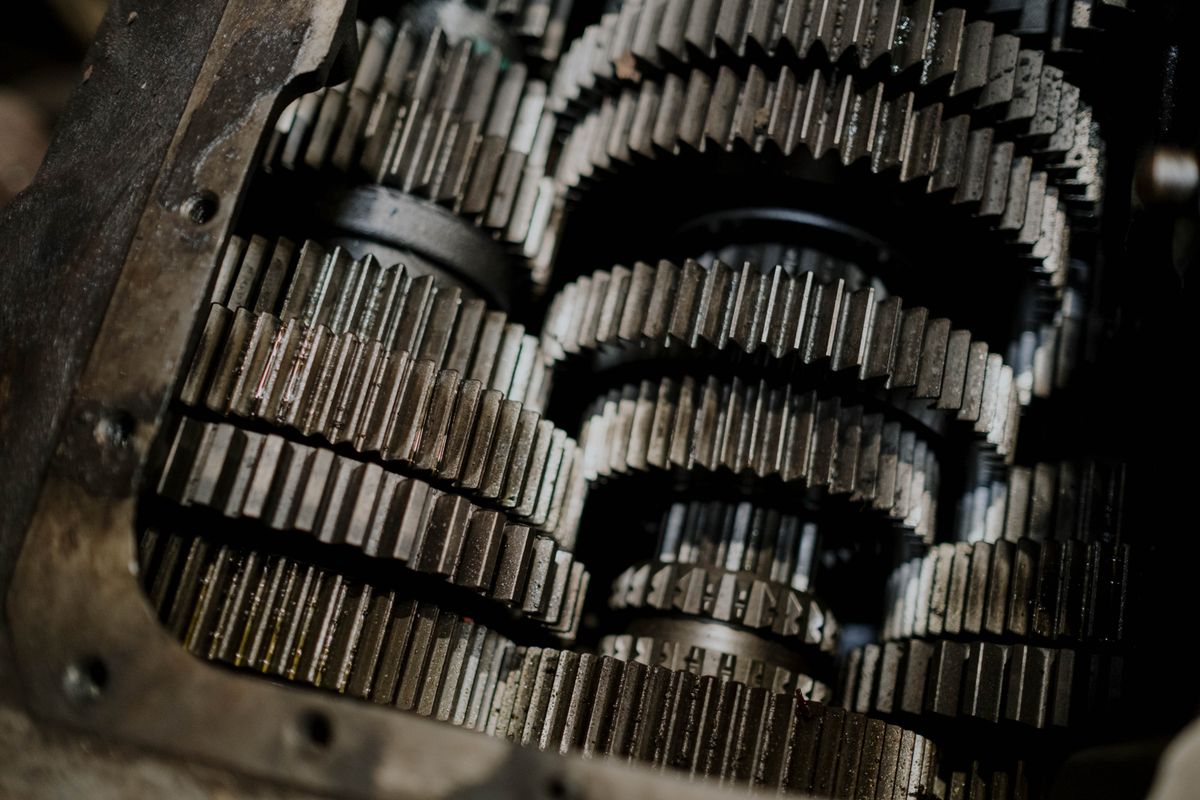
Japanese drifters call it mission blow (ミッションブロー) — a gearbox failure — and the mechanism is agreed on from forum threads to manufacturer catalogues. A stock clutch is a fuse: under a shock load it slips for a split second before hooking up, and that slip is what saves the gear teeth. A grabby metal or twin plate does not slip. Every clutch kick — the drift technique of jabbing the clutch to shock the rear tyres loose — sends the full torque spike straight into the gears, the diff and the driveshafts.
This is not forum lore. ORC’s SE clutch mechanism exists, by ORC’s own description, to cut engagement shock from shifting and clutch kicks by about 40% and thereby “protect the transmission, differential gears and driveshafts”. Cusco’s copper single builds in damper springs for the same stated reason. When two manufacturers sell the countermeasure, the disease is real.
The owner logs make it vivid. An S15 owner’s service diary from September 2025 records a shop fitting a metal clutch without asking; a few drift days later the gear teeth were literally torn off, the drained oil full of fragments. He rebuilt the box and deliberately went back down to an organic-disc ORC Light. A 2010 Yahoo Chiebukuro thread describes a near-stock-power S13 on an OS twin that blew 2nd gear the moment it shifted mid-drift — and, in the same thread, a friend’s 350 PS S13 that blew gearbox after gearbox on a twin, then stopped breaking them entirely once a single went in.
The counterintuitive part
At S-chassis power, a metal single is often kinder to the gearbox than a twin, even though the twin "handles more torque". The rating protects the clutch, not the gears behind it. Japanese instruction sites and owner threads repeat the same line: if the box is stock, stay single.
Which gearboxes give up first?
The scene’s consensus, repeated across owner threads, is that Nissan’s 2nd gear goes first — which matches both failure stories above. A hands-on Japanese builder who tears down blown 71C gearboxes (the box behind SR20 S-chassis and RB Skylines) notes that on turbo S13–S15 and R32 cars it is typically the gears and synchros themselves that die. On the Toyota side, the JZX90/100’s R154 has a stronger reputation, but a Japanese shop blog documents a self-claimed 500 PS JZX100 shattering its R154 under full acceleration in 2nd — at which point the shop was already musing about Z33 and RB25 boxes as the next step.
Serious Japanese drifters budget accordingly: in their words, the gearbox is a consumable. If you are drifting an S-chassis abroad, that mindset matters double, because a replacement 71C has to come out of Japan — we covered the weight limits and oil-drain rules in shipping a used gearbox or diff from Japan.
How do you buy the right clutch from Japan?
New is refreshingly cheap by Western standards — but only some list prices are public. Nismo publishes everything: ¥139,700 for the High-Power Coppermix on S13/S14, ¥145,200 on S15, ¥137,500 for the Standard spec. Exedy publishes ¥173,800 for the AE86 Hyper Single and ¥271,700 for the Compe-R twin, and honestly warns in the catalogue that the competition twin rattles and judders at low rpm. ORC, the default brand, publishes prices only through its dealer catalogue — shop listings for a 409D kit run roughly ¥103,000–¥150,000 depending on application and spec. The general routes for getting any of these abroad are in our proxy and exporter comparison.
Used is where buyers get hurt. Friction material thickness, hot spots and cover diaphragm wear are invisible in auction photos — one 180SX drifter’s 559D twin review notes his cover failed before the discs did — and the S15 horror story above turned out to involve the wrong, NA-spec release bearing. Model codes matter down to push versus pull type, spline count and flywheel pairing, and the catalogues that resolve them are Japanese-only.
The spec-matching step is the one we take on
Model codes, push/pull type, spline count, flywheel pairing, release bearing — we confirm the exact application against the maker's Japanese catalogue for your chassis and gearbox, source the kit new or used in Japan, photograph the disc thickness and cover face before anything ships, and quote purchase, handling and shipping as one total. Send us the car, gearbox and power figure and we'll match the right clutch from Japan.
How do you make a drift clutch last?
Rules Japanese owners learn the hard way
- Bed the disc in — roughly 500 km of street driving before the first kick. A documented Altezza owner fitted a copper-mix disc the day before an event and peeled the facing off in one session.
- Replace the release bearing and pilot bushing with the correct spec at the same time. The wrong bearing rode along with the S15 gearbox failure above.
- Expect to stall it for the first week. Owner reviews of every metal single say the same thing: the engagement point is new, not worse.
- Check the fine print: one Minkara owner found his Exedy EVO's manual capping use at 8,000 rpm after chasing a gear-engagement problem near the ceiling.
- Kick with revs in reserve, never at redline — the shock argument above is exactly why.
Budget the clutch as part of a system: clutch, gearbox condition and driving style wear as a set. Get those three honest with each other and the shara-shara becomes what it should be — a badge, not a countdown. If you are building toward your first trip to a Japanese track, the event and track-day calendar shows what your finished car would actually get to do here.
Frequently asked questions
What is the best clutch for a drift SR20DET Silvia?
For a tuned SR20DET up to about 420 PS, Japanese owners overwhelmingly run a single plate: Nismo's Super Coppermix High-Power (officially rated for 420 PS, ¥139,700 for S13/S14 as of September 2026) or ORC's 409D metal single (rated 420 N·m, with 247 Minkara owner reviews averaging 4.39/5). At stock boost, an uprated organic or copper single is enough — over-clutching a near-stock car is the classic beginner mistake in Japan too.
Do metal clutches really blow gearboxes?
Often enough that Japanese manufacturers design countermeasures. A stock clutch slips for a split second under shock and acts as a fuse; a grabby metal or twin passes a clutch-kick spike straight into the gears. ORC's SE clutch line exists specifically to cut engagement shock by about 40%, and documented cases as of 2026 include a stock-power S13 and an S15 that both lost gear teeth soon after metal or twin conversions.
How much does a drift clutch cost in Japan?
Official list prices as of 9 September 2026: Nismo Super Coppermix ¥137,500–¥145,200 depending on the S-chassis application, Exedy Hyper Single ¥173,800 for the AE86, and Exedy's Compe-R twin ¥271,700. ORC publishes its prices only through a dealer catalogue; Japanese shop listings for a 409D kit run roughly ¥103,000–¥150,000.
Do I need a twin-plate clutch to drift?
Not at S-chassis power levels. Japanese owner reviews consistently describe twins as heavy with a narrow engagement point, and one documented 350 PS S13 blew several gearboxes on a twin plate, then stopped breaking them after switching to a single. Twins earn their keep from roughly 500 PS — ORC's 559 twin is rated 630 N·m — which in practice means 1JZ/2JZ swaps and big-turbo builds.
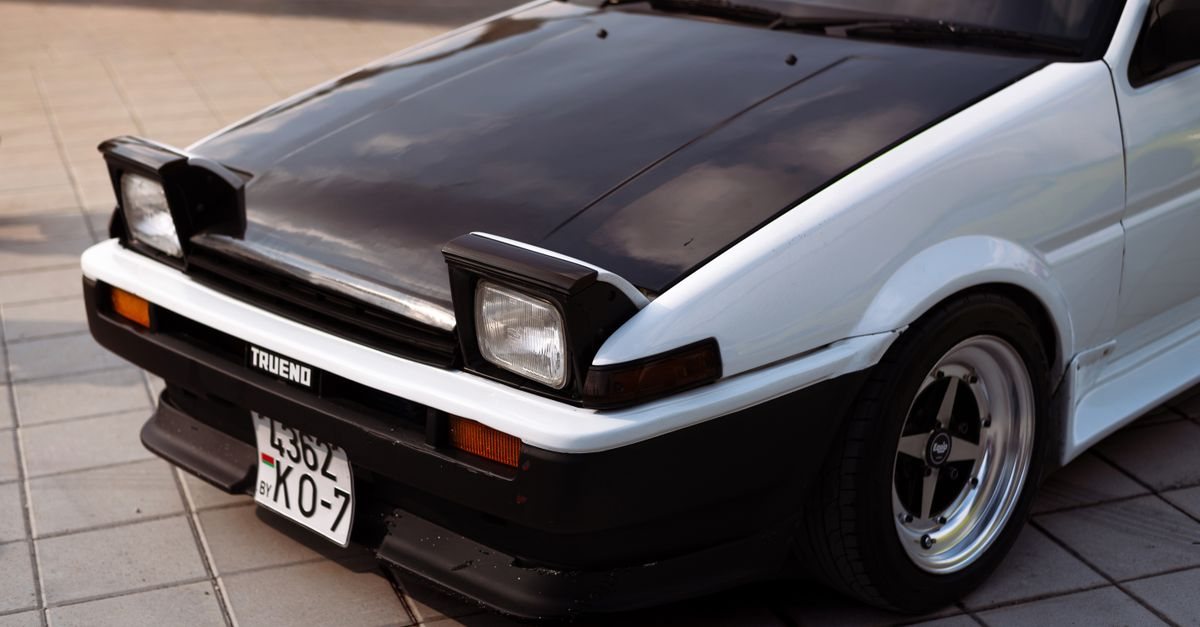 JP Market Check #2: The Levin Closes on the Trueno (Aug 2026)
 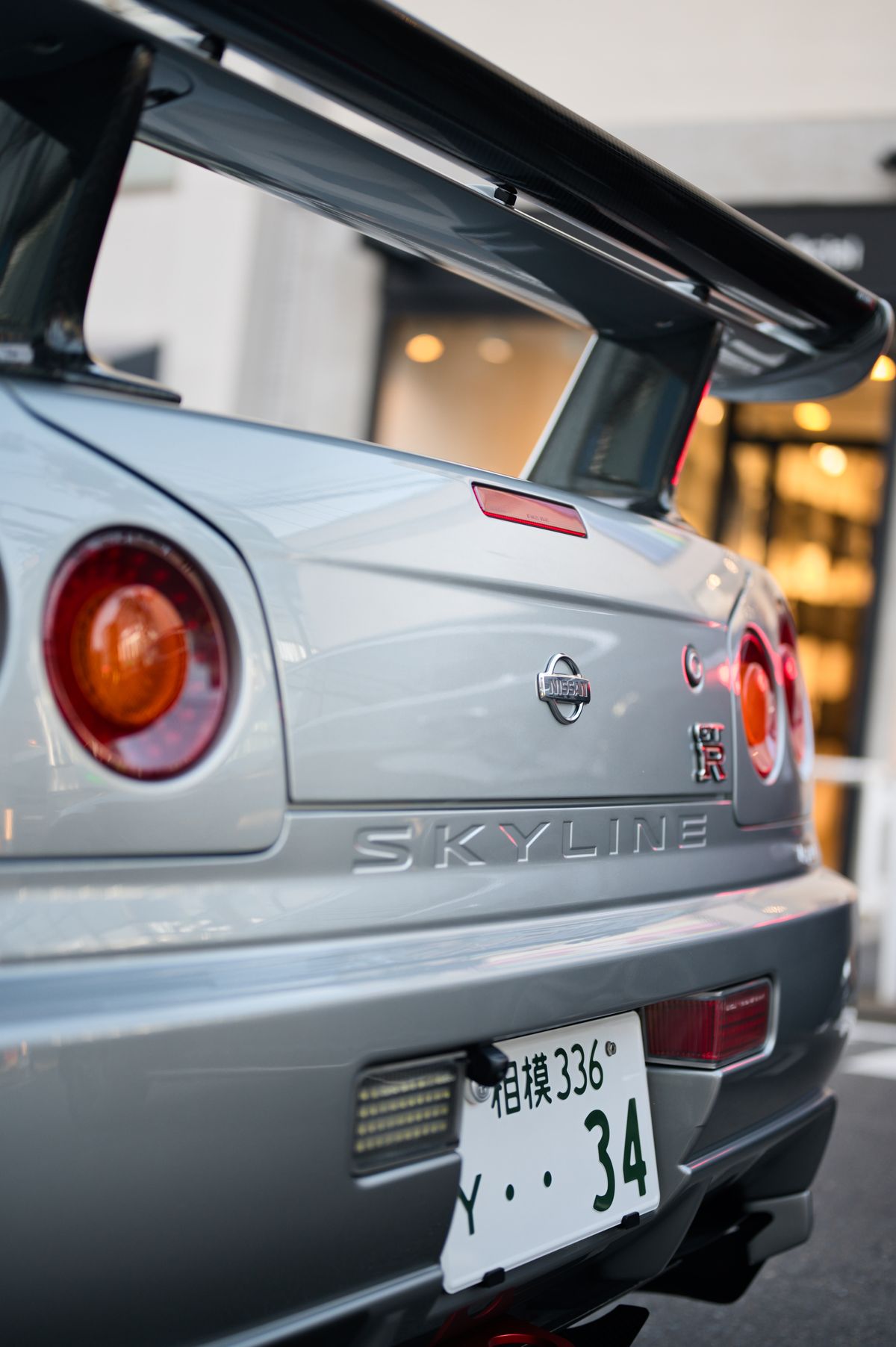 JP Market Check #1: What S13, S14 & S15 Cost in Japan (Jul 2026)
  AE86 Price in Japan (2026): Trueno ¥5.39M vs Levin ¥3.69M
  Toyota Chaser JZX100 Price in Japan (2026): ¥4.38M Median