
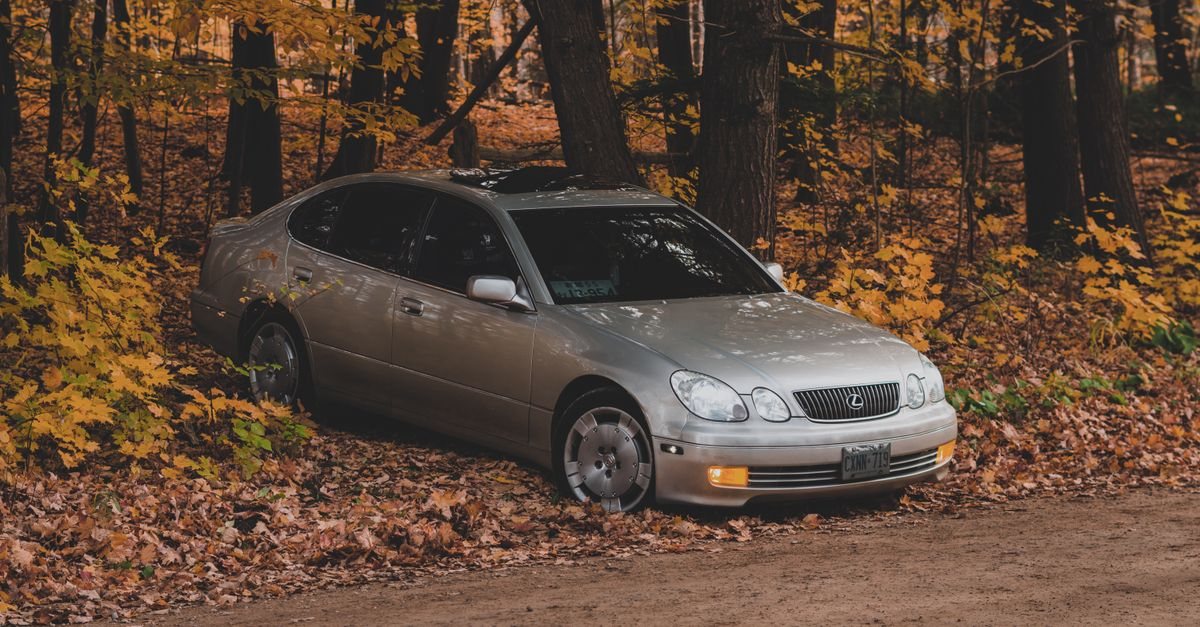
Toyota Aristo JZS161 & JZS147 for Sale in Japan: Prices & Guide (2026)
The Rundown
- Goo-net listed 104 Toyota Aristos for sale in Japan when we read it on 16 November 2026: 83 second-generation JZS160/JZS161 cars and 21 first-generation JZS147 cars.
- The 75 priced second-generation cars asked a median of ¥2,199,000 (about $13,700 at ¥160 to the dollar), from ¥550,000 to ¥8,800,000. The 20 priced JZS147 cars asked a median of ¥1,800,000 (about $11,250), from ¥690,000 to ¥5,380,000.
- The twin-turbo 2JZ-GTE (280 PS) is in the 3.0V (JZS147) and the V300 (JZS161). The non-turbo 2JZ-GE (230 PS) is in the 3.0Q (also JZS147) and the S300 (JZS160), per Toyota's 75-year history pages read on 20 November 2026.
- Every JZS147 (on sale October 1991 to August 1997) is past the US 25-year line. JZS160/JZS161 production ran from August 1997 to late 2004, so in November 2026 only cars built by November 2001 qualify; the last ones qualify in late 2029.
- Since 24 July 2026 US duty on a Japanese-built passenger car is 12.5% in total: a 2.5% base rate plus the Section 301 heading 9903.05.49.
Contents
Toyota Aristo in the Japanese market at a glance
A Toyota Aristo in Japan costs about ¥2.2 million for a second-generation JZS160/JZS161 and about ¥1.8 million for a first-generation JZS147. Those are the medians of the priced cars on Goo-net when we read it on 16 November 2026: 83 second-generation and 21 first-generation Aristos were listed. Model facts were checked on Toyota’s own history pages, and the US and Canadian import rules on the official pages, on 20 November 2026.
The Aristo is the four-door that got the Supra’s 2JZ. You can buy it with the twin-turbo 2JZ-GTE or the non-turbo 2JZ-GE, in two generations, and the chassis code alone does not always tell you which one you are looking at. This guide sorts that out, shows what the money buys, and explains how a buyer outside Japan actually gets one.
How much is a Toyota Aristo in Japan right now?
We read every Aristo listing on Goo-net’s type-code pages on 16 November 2026. These are dealer body prices, before export costs. Cars listed as price on request are left out.
| Point in the market | JZS160/JZS161 (1997–2004) | JZS147 (1991–1997) |
|---|---|---|
| Listed | 83 | 21 |
| With a price | 75 | 20 |
| Cheapest | ¥550,000 ($3,400) | ¥690,000 ($4,300) |
| Lower quarter | ¥1,370,000 ($8,600) | ¥1,270,000 ($7,900) |
| Median | ¥2,199,000 ($13,700) | ¥1,800,000 ($11,250) |
| Upper quarter | ¥2,870,000 ($17,900) | ¥2,760,000 ($17,300) |
| Dearest | ¥8,800,000 ($55,000) | ¥5,380,000 ($33,600) |
Dollar figures use ¥160 to the dollar. The middle half of both generations sits between roughly ¥1.3M and ¥2.9M. The tails are where the stories are. Here are a few real listings from the same read:
| Listing | Year | Mileage | Asking price |
|---|---|---|---|
| 3.0Q (non-turbo), stock, no recorded accident repair | 1995 | 105,000 km | ¥1,100,000 |
| V300 Vertex Edition, 2JZ turbo, recorded repair history | 2001 | 429,000 km | ¥1,480,000 |
| S300 Vertex Edition, five-speed automatic, leather | 2004 | 88,000 km | ¥1,380,000 |
| V300 Vertex Edition, timing belt and water pump done at 152,717 km | 2003 | 167,000 km | ¥1,898,000 |
| 3.0V, 2JZ twin turbo swapped to an R154 five-speed manual, HKS coilovers | 1996 | 76,000 km | ¥4,291,000 |
| 3.0V, one owner, garage kept, fully stock | 1996 | 13,000 km | ¥5,380,000 |
Two patterns stand out. A first-generation 3.0V with very low mileage or a manual conversion asks more than most second-generation cars. And the cheap end of the V300 market is high-mileage cars or cars with a recorded repair, so a low price usually tells you something about the car.
What is on sale this week is on our JDM VIP cars for sale page, which refreshes from the Japanese listings every morning.
Which Aristo should you look for: JZS147 or JZS161, V300 or S300?
Twin turbo: 3.0V and V300
- 2JZ-GTE, 280 PS
- 3.0V = JZS147 (1991–1997)
- V300 = JZS161 (1997–2004)
- Four-speed automatic from the factory
Non-turbo: 3.0Q and S300
- 2JZ-GE, 230 PS
- 3.0Q = also JZS147
- S300 = JZS160
- S300 five-speed automatic from July 2000
| First generation | Second generation | |
|---|---|---|
| On sale | 31 October 1991 | 27 August 1997 |
| Turbo grade | 3.0V, JZS147, 2JZ-GTE 280 PS | V300 (and V300 Vertex Edition), JZS161, 2JZ-GTE 280 PS |
| Non-turbo grade | 3.0Q, JZS147, 2JZ-GE 230 PS | S300, JZS160, 2JZ-GE 230 PS |
| Weight (Toyota) | 1,680 kg (3.0V), 1,580 kg (3.0Q) | 1,680 kg (V300), 1,600 kg (S300) |
| Length / wheelbase | 4,865 mm / 2,780 mm | 4,805 mm / 2,800 mm |
| Styling | Giugiaro’s Italdesign | Toyota in-house |
| Production ended | Replaced in August 1997 | November 2004 (Carsensor) or December 2004 (Goo-net) |
The catch on the first generation is the chassis code. Toyota’s own page lists both the 3.0V and the 3.0Q as JZS147. So “JZS147” on a listing does not tell you whether there is a turbo. The grade does: 3.0V is the twin turbo, 3.0Q is not. Toyota also added a V8 four-wheel-drive version in October 1992, and in 1993 it put the car into the Lexus range in North America as the GS.
On the second generation the code does the work for you: JZS161 is the turbo V300, JZS160 is the S300. The two catalogues we read disagree by a month on when production stopped, so if you are close to a 25-year date, go by the build date on the car’s own papers. Toyota ended the Aristo name with this generation and moved to the Lexus GS.
If you are weighing an Aristo against a coupe with the same engine, our JZA80 Supra buyer’s guide found a median of ¥8.56M on 21 October 2026. That gap is the main reason people look at the Aristo. How it compares with the Celsior, Cima and Majesta as a VIP-style base is on our best VIP base cars page.
What should you check on a 2JZ Aristo before you buy?
The listings themselves show where cars differ:
- Engine and turbo. Confirm the grade, then confirm what is in the car now. A JZS147 with a 2JZ-GE badge on the papers and a turbo engine in the bay is a different import case from a stock 3.0V (see the EPA point below).
- Gearbox. The factory cars are automatics. Manual conversions exist: one 3.0V in our read has an R154 five-speed fitted. Ask what gearbox it has and whether the conversion is on the papers.
- Timing belt. The 2JZ uses a timing belt. Two of the V300 listings we looked at mention it has been replaced, one with the mileage. If the advert does not say, ask.
- Repair history. Japanese listings flag recorded accident repair (修復歴, shūfukureki). One 429,000 km V300 in the read is flagged with it. That is fine for a project car, but it should be priced like one.
- Mileage. Between our examples, it runs from 13,000 km to 429,000 km. Adverts list it in units of 10,000 km (万km), so “10.3万km” is 103,000 km.
You do not need to fly to Japan to check any of this. We inspect the car locally and send you a video and photo walk-through: the underside, the frame, the engine bay and a cold start. You decide after you have seen it. If the car is at auction, our guide to reading a Japanese auction sheet explains the grades and repair marks. If you are pricing a spare 2JZ-GTE instead of a whole car, our used JDM engine price index tracks what complete engines actually sell for in Japan.
Can you import a Toyota Aristo to the US or Canada?
| Country | Rule (official page, read 20 Nov 2026) | What it means for an Aristo |
|---|---|---|
| United States | Vehicles under 25 years old must meet all US safety standards | Every JZS147 is eligible. JZS160/JZS161: built by November 2001, eligible now; later builds month by month until late 2029 |
| Canada | Vehicles over 15 years old are not regulated at import under the Motor Vehicle Safety Act | Every Aristo, both generations. Some provinces will not license right-hand drive |
The year on the advert is not the build month
A second-generation Aristo listed as "2001" can be a January build that qualifies for the US or a December build that does not yet. In November 2026 the line falls on November 2001 builds. The 2003 and 2004 cars in our read are years away. Check the manufacture date on the specific car before you pay.
United States. CBP’s importing page says that as a general rule, motor vehicles less than 25 years old must comply with all US safety standards. The JZS147 went on sale in October 1991 and was replaced in August 1997, so every one is old enough. The JZS160/JZS161 started in August 1997, so the first cars crossed the line in August 2022, and the last ones (built in late 2004) cross in late 2029. Our import eligibility calendar lists the month-by-month dates.
Duty is where older guides go wrong. CBP’s page lists a 2.5% base duty for cars and 25% for trucks, but since 24 July 2026 USTR’s Section 301 action (heading 9903.05.49) lifts goods made in Japan with a base rate under 12.5% to 12.5% in total. We checked that heading in the US tariff schedule on 20 November 2026. On a ¥2,199,000 Aristo (about $13,700), 12.5% is about $1,700. The EPA side is separate: EPA’s page says its provision for vehicles over 21 years old expects an engine identical to the original. A 3.0Q or S300 now running a 2JZ-GTE needs a closer look before it ships. The forms and the order you file them in are in importing a drift car to the USA.
Canada. Transport Canada says vehicles older than 15 years are not regulated at import under the Motor Vehicle Safety Act, with age set mainly by the month and year of manufacture. The newest Aristo passed 15 years by the end of 2019. The same page warns that some provinces will not license right-hand-drive vehicles, and every Japanese-market Aristo is right-hand drive. For Australia and the UK, see importing a drift car to Australia, the UK and Canada.
How do you buy an Aristo from Japan if you live abroad?
The dealer prices above are the ceiling of the market, not the floor. A dealer car has usually come from a trade auction or a trade-in, been prepared, and been marked up. Many Aristos change hands below that, at the auctions and in private sales. The full route from deposit to your port is in our step-by-step import process guide.
Two steps stop foreign buyers. The trade auction halls do not admit private overseas buyers, because membership needs a Japanese business. And export deregistration usually wants the owner’s registered seal and seal certificate, which only Japanese residents can get; our export deregistration guide explains why.
That is the step we take for you
Have us find a JZS161 V300 or a JZS147 3.0V in Japan, send you the walk-through video, and handle the export paperwork. Tell us the generation, the grade and the build month your country needs; we search dealers, auctions and private sellers, send you candidates with underside and cold-start footage, and quote one total, actual costs plus our fee, before anything is bought.
If you are in Japan anyway and want to see 2JZ cars on track, the dates we track are on our drift calendar.
Frequently asked questions
How much does a Toyota Aristo cost in Japan in 2026?
When TSUISO read Goo-net, Japan's large used-car listing site, on 16 November 2026, 83 second-generation Toyota Aristos (JZS160 and JZS161, built 1997 to 2004) were for sale, and the 75 with a price asked a median of ¥2,199,000 (about $13,700 at ¥160 to the dollar), from ¥550,000 to ¥8,800,000. 21 first-generation Aristos (JZS147, 1991 to 1997) were listed, and the 20 with a price asked a median of ¥1,800,000 (about $11,250), from ¥690,000 to ¥5,380,000. These are Japanese dealer body prices before export paperwork, shipping and import duty.
What is the difference between the Aristo V300 and S300?
They are the two grades of the second-generation Toyota Aristo, launched on 27 August 1997. The V300 is the JZS161 and has the 2JZ-GTE twin-turbo 3.0-litre straight six of 280 PS. The S300 is the JZS160 and has the non-turbo 2JZ-GE of 230 PS (Toyota 75-year history page, read 20 November 2026). Japanese catalogues list a four-speed automatic for the V300; the S300 moved to a five-speed automatic at the July 2000 facelift. The first-generation Aristo (JZS147) splits the same way: the 3.0V is the twin turbo and the 3.0Q is the non-turbo car, and both carry the JZS147 code.
Can I import a Toyota Aristo from Japan to the United States?
Yes, once the specific car is 25 years old, counted from its month of manufacture. US Customs and Border Protection says vehicles less than 25 years old must comply with all US safety standards. Every first-generation JZS147 Aristo (on sale from October 1991, replaced in August 1997) is past that line. The second-generation JZS160/JZS161 was built from August 1997 to late 2004 (November 2004 in Carsensor's catalogue, December 2004 in Goo-net's), so as of 20 November 2026 cars built by November 2001 qualify and the last ones qualify in late 2029. Duty on a Japanese-built passenger car is 12.5% in total since 24 July 2026: CBP's page lists a 2.5% base rate for cars, and USTR's Section 301 heading 9903.05.49 lifts goods made in Japan to 12.5% (checked in the US tariff schedule on 20 November 2026).
Can I import a Toyota Aristo to Canada?
Yes, any Toyota Aristo of either generation. Transport Canada's page, read on 20 November 2026, says vehicles older than 15 years are not regulated at import under the Motor Vehicle Safety Act, with age set mainly by the month and year of manufacture. The last JZS160/JZS161 Aristos were built in late 2004, so every one passed 15 years by the end of 2019. The same page warns that some provinces will not license right-hand-drive vehicles, and every Japanese-market Aristo is right-hand drive, so check with your province first.
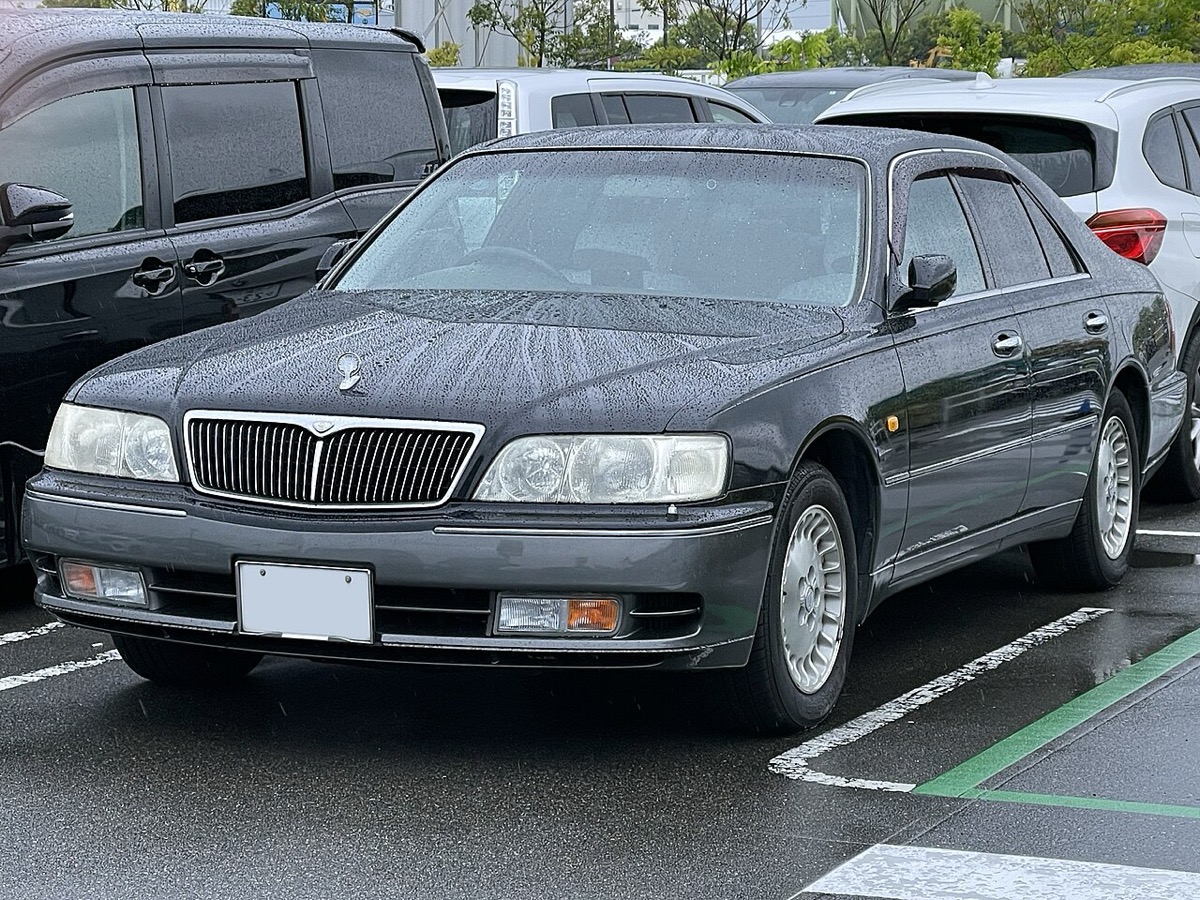 Nissan Cima Y32 & Y33 for Sale in Japan: Prices & Guide (2026)
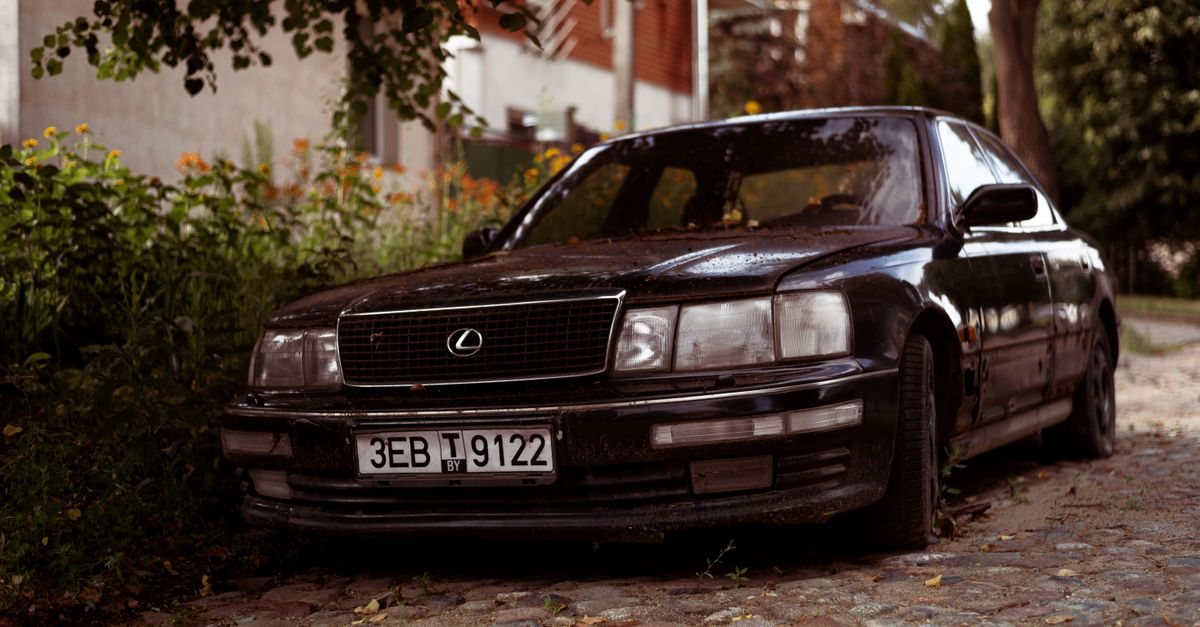 Toyota Celsior UCF10/20/30 for Sale in Japan: Prices & Guide (2026)
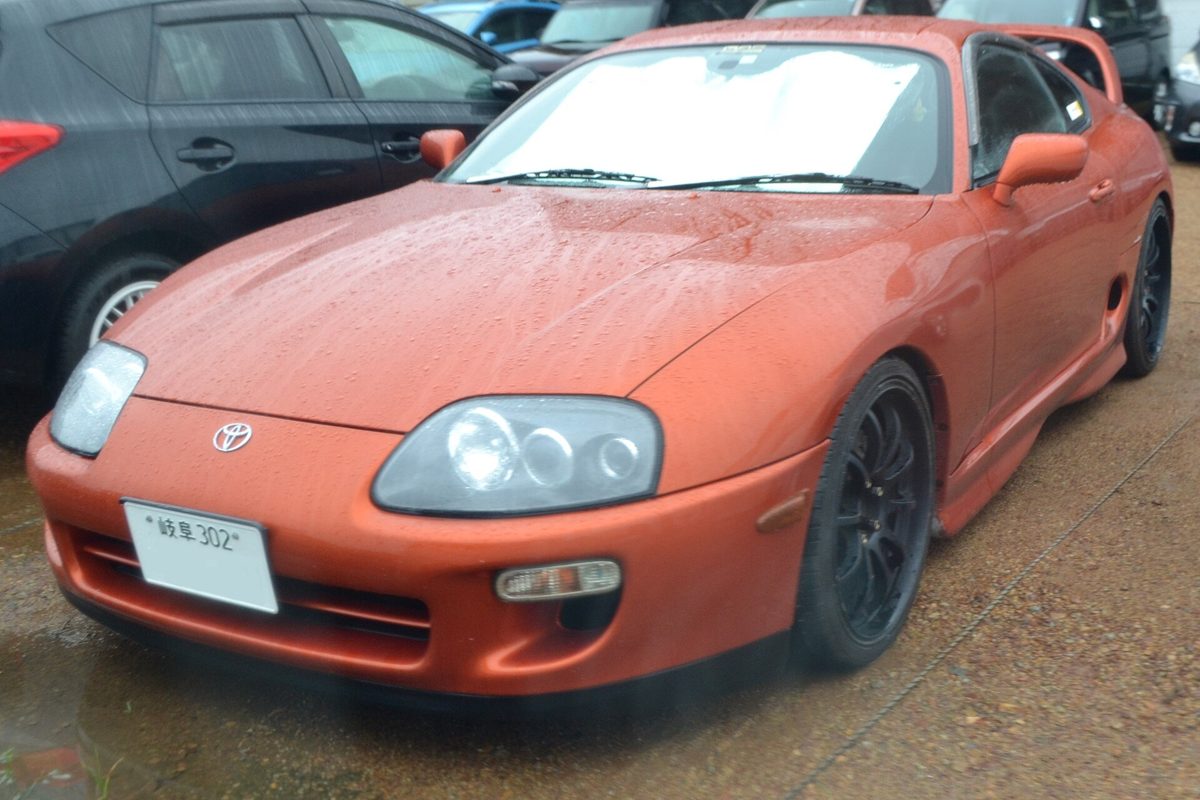 Toyota Supra JZA80 for Sale in Japan: Prices & How to Buy One (2026)
 Mitsubishi Pajero for Sale in Japan: Prices & How to Buy (2026)