
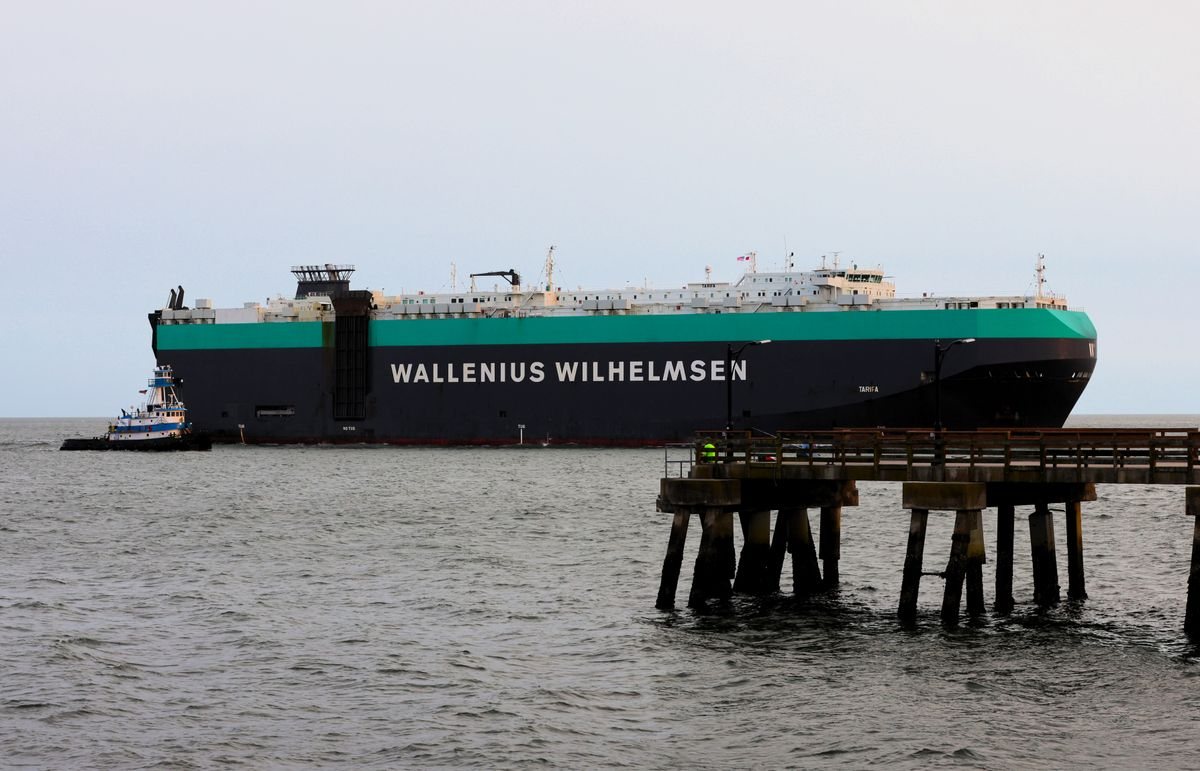
How to Import a Drift Car from Japan to the US: Forms & Duty (2026)
The Rundown
- The order is fixed: Japan-side export deregistration first, then the sailing, then at the US port the NHTSA HS-7 (Box 1), EPA Form 3520-1 (Code E) and the CBP entry, and only then state registration. Nothing later can repair a step skipped earlier.
- Two federal clocks, both counted from manufacture: NHTSA's 25 years and EPA's 21 years. A 1995 S14 or a 1998 JZX100 clears both in 2026 without a registered importer or a DOT bond.
- Customs duty on a used passenger car is 2.5% of the price paid or payable — HTS 8703.23.01 and 8703.24.01 both read 2.5% on 4 September 2026. The 25% rate people quote is for trucks.
- CBP requires a customs bond on imports worth more than $2,500; a single transaction bond secures one car. USDA also wants the undercarriage free of foreign soil before it ships.
- The step that goes wrong is not at the port. It is choosing the car: what the underside, frame rails and engine bay actually look like decides whether the 4 stages above are worth doing at all.
Contents
- Step 0: the step that actually goes wrong
- Step 1: what has to happen in Japan before the ship
- Step 2: RoRo or container, and the soil rule
- Step 3: the US port — HS-7 Box 1, EPA 3520-1 Code E, the CBP entry
- Step 4: state registration, the most local step of all
- Why the retail listing is the ceiling, not the floor
To import a 25-year-old dorisha (drift car) from Japan into the United States you do four things, in this order: take the car off the Japanese register, ship it, clear it at the US port with NHTSA form HS-7 (Box 1), EPA Form 3520-1 (Code E) and a CBP entry carrying 2.5% duty on a passenger car, then register it in your state. Every form name, box and rate below was checked on the official NHTSA, EPA, CBP and MLIT pages on 4 September 2026. This is the procedure article; the 25-year rule guide covers which chassis are old enough to start it.
| Stage | What happens | Who does it | Document or number |
|---|---|---|---|
| 0. Choose the car | Condition judged, price agreed | You, with whoever is your eyes in Japan | Build plate photo, engine number, auction sheet |
| 1. Japan-side deregistration | The car comes off the Japanese register with an export date fixed | The owner, or an agent holding the registered seal, at the 運輸支局 | 輸出抹消仮登録証明書 (export deregistration certificate) |
| 2. Sailing | RoRo or container; underside cleaned of soil first | Exporter and shipping line; your broker files the Importer Security Filing | Bill of lading |
| 3. US port | Safety and emissions declarations, customs entry, duty, bond | You or a licensed customs broker, through CBP’s ACE | HS-7 Box 1 · 3520-1 Code E · 2.5% duty · bond over $2,500 |
| 4. State registration | Title and plates | You, at your state DMV | The stamped federal forms and entry paperwork |
Step 0: the step that actually goes wrong
Nothing in the four government stages is hard; each is a form with a box. What goes wrong is the decision they all sit on: which car. From Ohio or Oregon you are judging a 30-year-old chassis from listing photos, and listing photos do not show rust in the frame rails behind the rear subframe, a strut tower pulled straight after a wall, or an SR20 that smokes for the first minute of a cold start. No form fixes that afterwards, and even a good auction sheet only partly covers it on a car that has lived sideways.
This is the part we take on
We go to the car in Japan and film it before you commit: the underside on a lift, the frame rails and strut towers, the engine bay with the engine number in frame, and a cold start from a cold engine. You watch the walkthrough, then decide. Have us inspect the car in Japan and send the walkthrough before you commit — if it passes, we run the deregistration, the sailing and the broker handover behind it as one quoted number, actual costs plus a handling fee, agreed before anything is bought.
For the weak points of a specific chassis, grade by grade, start with the S14 buyer’s guide.
Step 1: what has to happen in Japan before the ship
A registered car has to come off the Japanese register before it can leave. The procedure is 輸出抹消仮登録 (yushutsu masshō kari-tōroku, provisional export deregistration), filed at a 運輸支局 (unyu shikyoku, transport branch office). MLIT’s document list asks for the owner’s seal certificate issued within the last 3 months, the 車検証 (shaken-shō, inspection certificate) and the number plates, and the application carries the planned export date; the Miyagi branch states the procedure can start 6 months before that date. What comes back is the 輸出抹消仮登録証明書, and Japanese customs will not clear the car for loading without it.
The seal certificate is a municipal document only a resident of Japan can obtain; the Japan-side paperwork guide covers that trap in full. What matters for the US side is one line on the Japanese paperwork: the month the car was first registered. NHTSA’s FAQ says the 25-year period runs from the date of manufacture, and where no manufacturer’s date label exists it accepts a registration document showing the vehicle was registered at least 25 years ago. Keep the Japanese registration record; it is your proof of age at the port.
Step 2: RoRo or container, and the soil rule
RoRo (roll-on/roll-off) means the car is driven onto a car-carrier deck in Japan and driven off at the US port; it has to run, and carriers commonly refuse loose parts inside it. A container lets spare wheels and an aero kit travel with the car, at the cost of loading and unloading at a depot on each end. Rates move with the season and the port, so get both quotes.
Two things around the sailing are easy to miss. CBP notes that the US Department of Agriculture requires the undercarriage of imported cars to be free of foreign soil and tells importers to have the car steam-sprayed or thoroughly cleaned before shipment; a car that last ran on a wet paddock at Ebisu Circuit (Fukushima) needs this done properly. And because the car arrives by vessel, CBP’s Importer Security Filing applies: it is made before the cargo arrives, normally by your customs broker, and CBP says failure to comply can mean monetary penalties, increased inspections and delay of cargo. Book the broker before the car sails.
Step 3: the US port — HS-7 Box 1, EPA 3520-1 Code E, the CBP entry
CBP’s page on importing a car lists what the entry needs: the shipper’s or carrier’s original bill of lading, the bill of sale and the foreign registration, plus EPA form 3520-1 and DOT form HS-7 declaring the emissions and safety provisions. CBP officers cannot act as your agent, but you may employ a commercial customs broker, and EPA’s forms can be filed electronically through CBP’s Automated Commercial Environment (ACE).
Code E and the engine that is actually in the car
The EPA form is explicit: a vehicle at least 21 years old with a replacement engine is not eligible for Code E unless the replacement is the same model as originally installed, or an engine with any aftertreatment from a certified vehicle no older than the one being imported. EPA's guidance says the engine must be identical to the one originally installed, the same model and configuration, and strongly encourages importers to contact its Imports Hotline ([email protected], 734-214-4100) first. A 2JZ in an S14 is a question for that hotline before the sailing, not a surprise at the port. A false declaration carries up to $10,000 or 5 years on the HS-7 and up to $320,000 on the EPA form.
What the border charges, read off the official pages:
| Item | Rate or rule | Stated by |
|---|---|---|
| Duty, passenger car | 2.5% of the price paid or payable | CBP; HTS 8703.23.01 (1,500–3,000 cc) and 8703.24.01 (over 3,000 cc) both show 2.5% |
| Duty, trucks | 25% | CBP |
| Duty, motorcycles | 2.4% or free | CBP |
| Customs bond | Required on imports worth more than $2,500; a single transaction bond secures a one-time importation, generally for the value plus duties, taxes and fees | CBP help articles, 13 February 2026 |
| Broker fee, bond premium, port and terminal charges | Not stated on the official pages — TBC with your broker | — |
Every SR20, 1JZ, 2JZ and RB sits inside those two HTS lines, so for these chassis the answer is 2.5%; the 25% figure that circulates is the truck rate. Duty is charged on the price paid, so the bill of sale has to match what actually changed hands.
Step 4: state registration, the most local step of all
Federal clearance is not a title. Registration is done state by state, and the requirements differ enough that the honest instruction is to ask your own DMV before the car sails, with the year and chassis code in hand. NHTSA’s privacy notice on the HS-7 says the records may be routinely used by state divisions of motor vehicles — the polite way of saying the DMV will want the stamped federal forms and the entry paperwork. Some states add their own emissions or inspection rules on top; that is a DMV question, and we will not guess it for you.
What to have in the folder when the car lands
- Bill of lading — the shipper's or carrier's original
- Bill of sale — matching the price the 2.5% is calculated on
- Japanese registration paperwork — the export deregistration certificate and the first-registration month, your proof of age
- Build plate photo — the date of manufacture for HS-7 Box 1 and the mm/yyyy on Form 3520-1
- Engine number photo — evidence that Code E is claimed on the engine the car was built with
- Bond and broker details — arranged before arrival, not at the dock
Why the retail listing is the ceiling, not the floor
Everything above is identical for a car bought off a Japanese dealer’s website and one bought out of a paddock; the difference is the price the 2.5% is applied to. The listing prices we count in the August market check are Japanese retail, reconditioning, margin and warranty included, and that is the ceiling of the market. The same S13s, S14s and JZX100s change hands below it at the dealer auctions the retail stock comes from, and privately inside the drift community, where nobody has done the showroom prep and nobody walks you through the 運輸支局. That is the layer this procedure was written for, and the layer that needs eyes on the car before the paperwork starts. If you are coming over to see cars yourself, time the trip around a drift day; the Drift Japan Event & Track Calendar is the way to line that up.
Frequently asked questions
Do I need a registered importer to bring a 25-year-old S14 into the US?
No. As of 4 September 2026 NHTSA's Importation and Certification FAQ states that a motor vehicle at least 25 years old can be lawfully imported without regard to whether it complies with the Federal Motor Vehicle Safety Standards, entered under Box 1 of the HS-7 declaration form given to Customs at the time of importation. The registered importer and the 150% DOT bond belong to Box 3, which is for nonconforming vehicles under 25 years old. The 25 years run from the date of manufacture, so a 1995-built Nissan Silvia S14 qualifies; a late-2001 S15 has to be checked to the month.
What forms do I file at US customs for a 25-year-old JDM car?
Three things, all filed together at the port and normally through a licensed customs broker in CBP's ACE system, as of 4 September 2026: NHTSA form HS-7 with Box 1 ticked (vehicle 25 or more years old, with the date of manufacture), EPA Form 3520-1 with Code E ticked (vehicle at least 21 years old in original unmodified configuration, manufacture date as mm/yyyy), and the CBP entry itself, which CBP says needs the shipper's or carrier's original bill of lading, the bill of sale and the foreign registration. Duty of 2.5% on a passenger car and a customs bond are paid with the entry.
How much is US customs duty on a drift car imported from Japan?
2.5% of the price paid or payable for a passenger car, as of 4 September 2026. CBP's page on importing a car lists auto 2.5%, trucks 25% and motorcycles 2.4% or free, and the USITC tariff schedule shows a general rate of 2.5% for both HTS 8703.23.01 (spark-ignition, 1,500 to 3,000 cc) and 8703.24.01 (over 3,000 cc), which between them cover every SR20, 1JZ, 2JZ and RB. On top of duty sit the customs bond, which CBP requires on imports worth more than $2,500, and the broker, port and terminal charges that the official pages do not price.
Can I import an engine-swapped drift car to the US under the EPA 21-year exemption?
Not automatically. EPA Form 3520-1 (August 2024 revision) says a vehicle at least 21 years old with a replacement engine is not eligible for Code E unless the replacement engine is the same model as originally installed, or an engine with any aftertreatment from a certified vehicle no older than the one being imported. EPA's import guidance adds that the engine must be identical to the one originally installed, the same model and configuration, and strongly encourages importers to contact the Imports Hotline ([email protected], 734-214-4100) before importing such a vehicle. As of 4 September 2026 that means a 2JZ in an S14 is a question to settle with EPA before the car sails, not at the port.
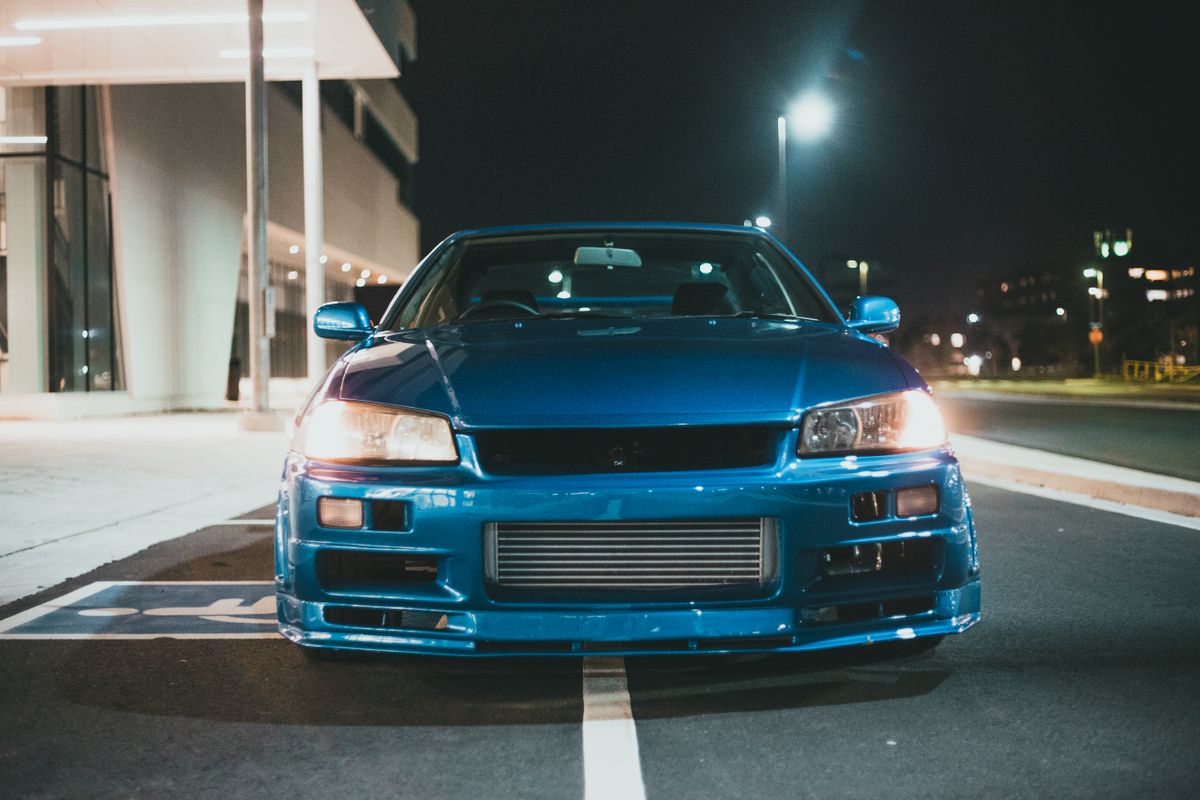 The 25-Year Rule for Drift Cars: What's Legal in the US (2026)
 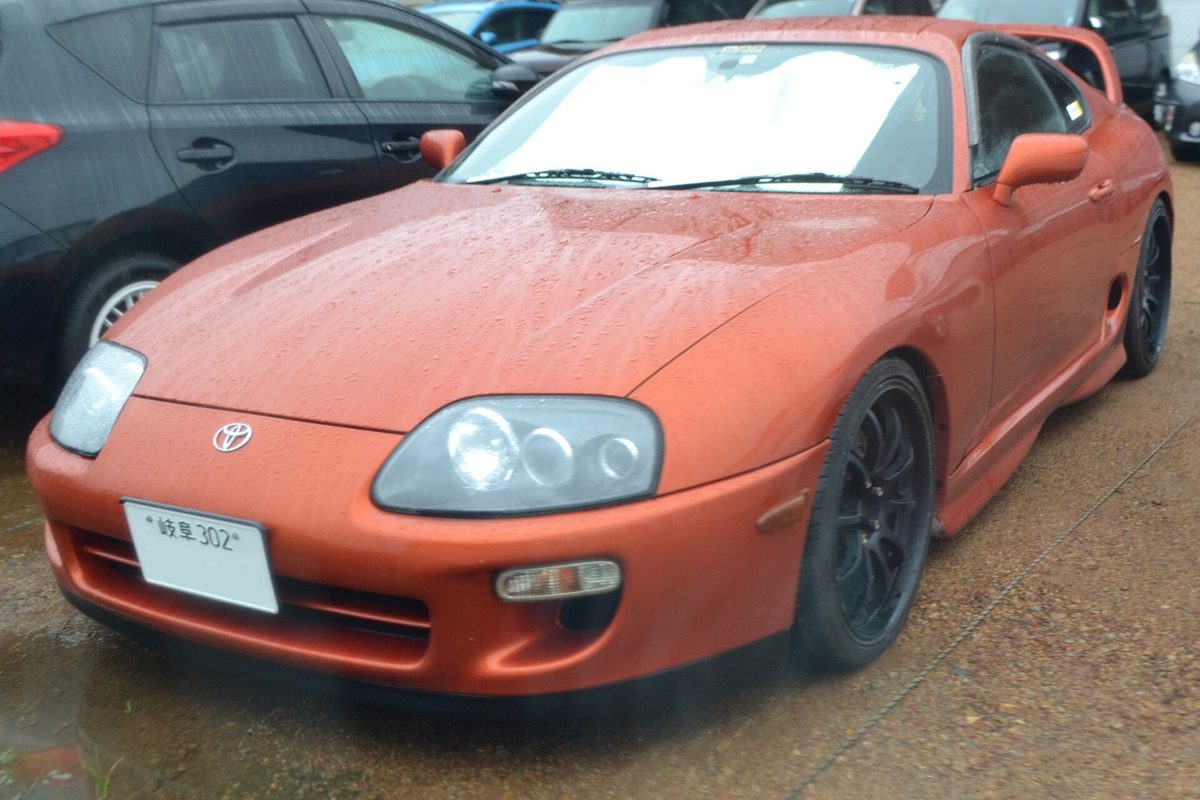 Is Importing a JDM Car From Japan Still Worth It? 2026 Numbers
 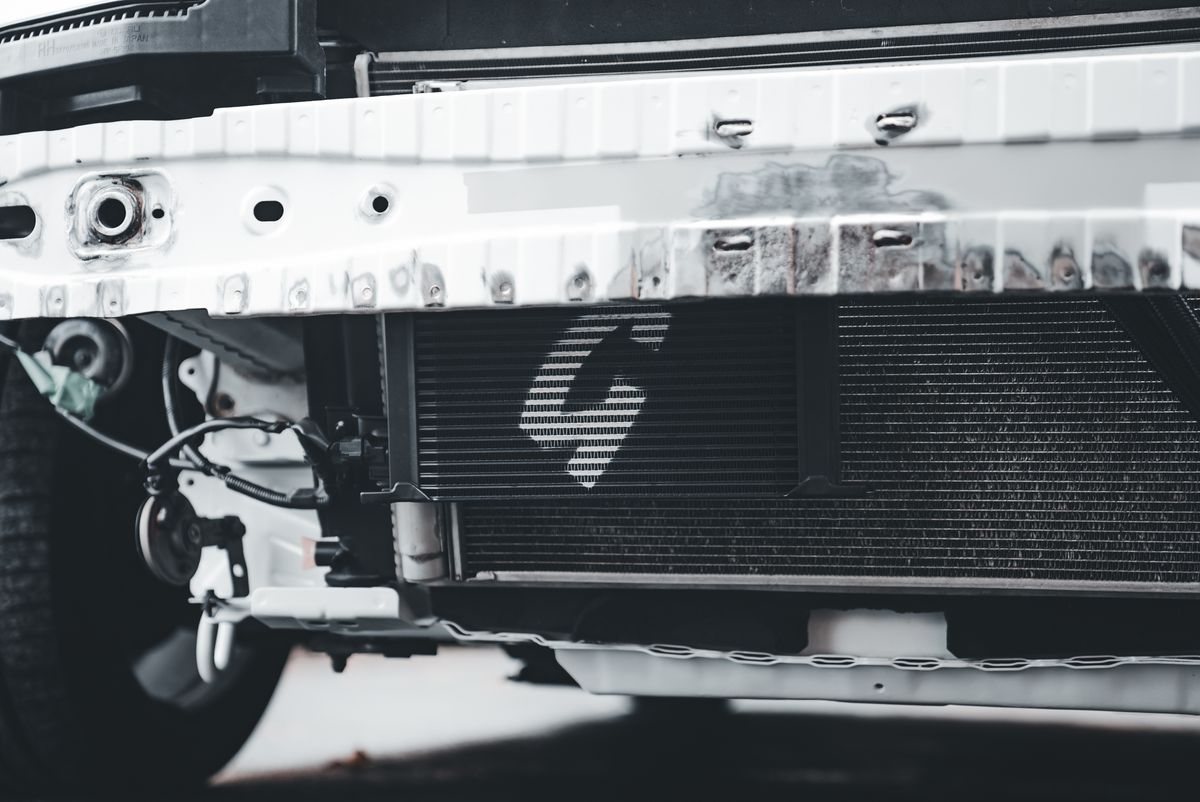 Buying a Used Intercooler or Radiator from Japan (2026)
  ORIGIN Labo. Combat Eye Guide: Closed, Open, Light, Indicator (2026)