
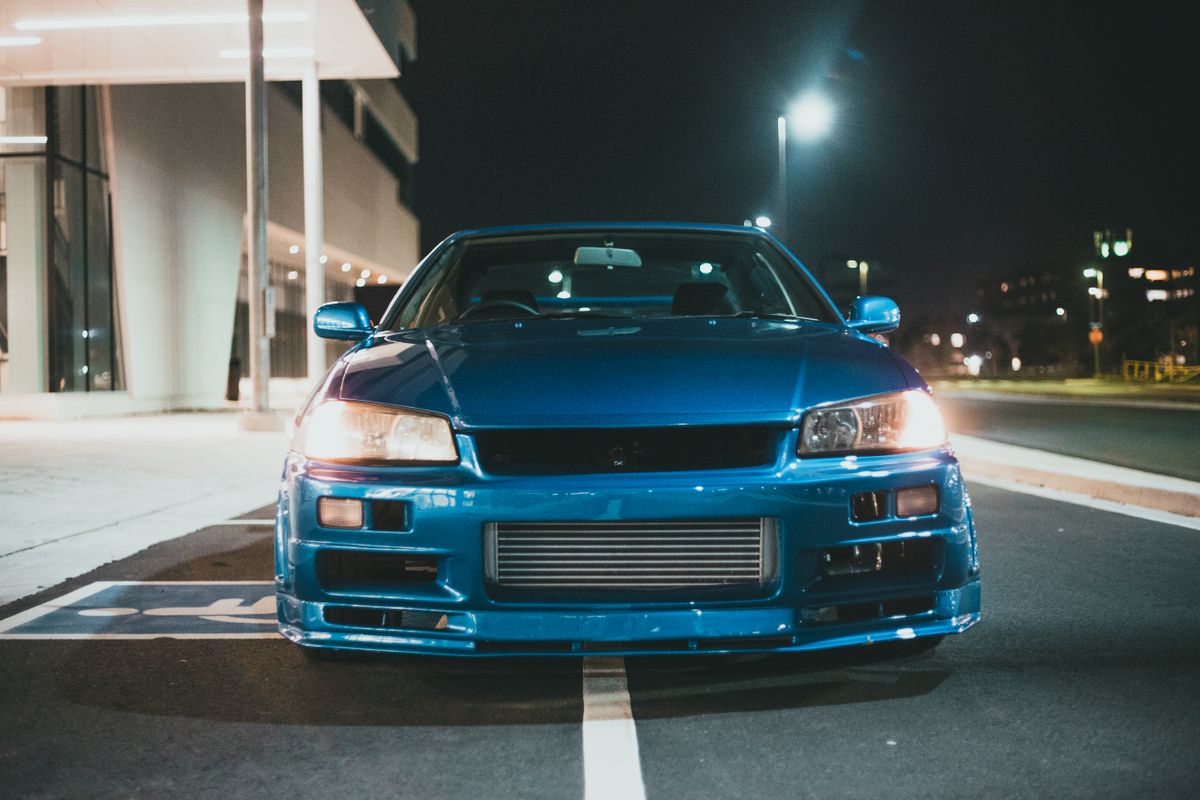
The 25-Year Rule for Drift Cars: What's Legal in the US (2026)
The Rundown
- The US 25-year rule counts from the vehicle's date of manufacture — the build plate month, not the model year. NHTSA confirms a 25-year-old vehicle imports without meeting FMVSS.
- EPA is a separate hurdle with a lower bar: vehicles over 21 years old are exempt from emissions requirements, but EPA expects the engine to be the one originally installed.
- Fully open as of 2026: AE86, S13, S14, 180SX, JZX90 — and the JZX100, whose last 2001-built cars clear during 2026.
- S15 Silvia is mid-rollout: production ran January 1999 to 2002, so in September 2026 any S15 built September 2001 or earlier is importable. The full run clears by late 2027.
- Different countries, different clocks: Canada uses 15 years, Australia has a concessional pathway for vehicles 25 years or older.
Contents
If you’re in the US and want a dorisha (drift car) straight from Japan, one number rules everything: 25. Not the model year on the listing — the month stamped on the build plate. Get that distinction wrong and your car sits in a bonded warehouse for a year. Get it right and 2026 is honestly a great year to be shopping, because the last of the classic drift platforms are walking through the door.
The import clocks, as of September 2026
How the rule actually works
Two federal agencies stand between a Japanese auction hall and your driveway, and they use different clocks.
NHTSA (safety). A vehicle at least 25 years old can be imported without meeting Federal Motor Vehicle Safety Standards — the standards Japanese-market cars were never built to. At the border it’s declared under Box 1 of the HS-7 form. The key detail, straight from NHTSA’s own FAQ: “the 25 year period runs from the date of the vehicle’s manufacture.” Not the model year, not the first registration — the build date. If the manufacturer’s date label is missing, you’ll need paperwork (original invoice, an old registration) proving the car’s age.
EPA (emissions). Separate declaration, lower age bar: vehicles more than 21 years old are exempt from emissions requirements. Since anything clearing the 25-year safety bar is automatically past 21, this is normally a formality — with one trap. EPA interprets the exemption as applying to a car with the engine that was originally installed, identical in model and configuration. A 2JZ-swapped S13 is a wonderful thing, but it may not fit the exemption as written; EPA’s own guidance encourages importers to contact its Imports Hotline before importing such a vehicle. If your dream car is swapped, resolve this before it’s on a ship.
Clear both, and the car is federally legal. State registration is its own final step — requirements vary by state (California is famously the strict one), so check your DMV before committing.
The NHTSA import FAQ, the EPA import page and Transport Canada’s older-vehicles page were all read off the official sites on 12 September 2026 and still say what is quoted above. The Australian concessional RAV page would not load on that date, so the Australian line below is carried over from our July 2026 check rather than re-verified.
Which drift chassis are open in 2026
Here’s where the major platforms stand as of September 2026. Production-run years are the commonly documented Japanese-market runs; the deciding date is always the individual car’s build plate.
| Chassis | JDM production run | 25-year status (September 2026) |
|---|---|---|
| AE86 Corolla Levin / Sprinter Trueno | 1983–1987 | Fully open since 2012 |
| S13 Silvia | 1988–1993 | Fully open since 2018 |
| 180SX | 1989–1998 | Fully open since late 2023 |
| S14 Silvia | 1993–1998 | Fully open since late 2023 |
| JZX90 Mark II / Chaser / Cresta | 1992–1996 | Fully open since 2021 |
| JZX100 Mark II / Chaser / Cresta | 1996–2001 | Effectively fully open — the last 2001-built cars clear during 2026 |
| S15 Silvia | 1999–2002 | Rolling window — see below |
The headline for 2026: every classic 1990s drift platform is now importable. The JZX100, the default grip of Japanese street-style drifting, finishes its rollout this year — even the final Chasers built in 2001 come of age during 2026.
The S15 window, precisely
The S15 is the one platform still mid-rollout, so the math matters. Production started in January 1999 and ran into 2002. The first cars became eligible in January 2024, and the window has been sliding forward one month at a time since.
As of September 2026, an S15 manufactured in September 2001 or earlier is importable. By December 2026 the window reaches December 2001 builds. The last cars, built in 2002, clear on the same rolling basis through 2027 — by late 2027 the entire run is open.
Practically, that means most of the S15 population is already legal — the model’s biggest sales years were its first — but a late-build Spec R still needs its plate checked to the month. If you want the numbers behind what those cars sell for in Japan, our S15 price guide has the census figures.
Who actually reads the build plate for you?
Here is the step that stops most overseas buyers, and it is not the law. The month that decides everything is stamped on a plate on a specific car sitting in a Japanese auction hall or a dealer’s yard. Listing photos rarely show it, model year alone does not answer the question, and the export deregistration paperwork that has to agree with it is produced in Japanese at a Japanese land transport office weeks later. Bidding before those two match up is how a car ends up sitting in a bonded warehouse waiting for a birthday.
We read the plate before you bid
Send us the chassis you are after and the year you need it to clear. We go to the car in Japan, photograph the manufacturer's date label and the chassis number, and send a walkthrough of the underside, the chassis rails, the engine bay and a cold start — then match the plate month against the export paperwork before anything is committed. Put a car and a target year in front of our export desk.
One car, one year of patience — or Canada
A car that misses the window isn’t lost; it’s early. Options people actually use: buy now and have the car stored in Japan until its birthday (storage is cheap relative to how fast clean chassis prices move), or simply wait and accept the market risk.
That market risk isn’t hypothetical, and overseas buyers aren’t the only ones watching the calendar. Japanese car media were asking what the 2024 milestone would do to S15 values two and a half years before the first cars got there:
"The S15 Silvia, which debuted in 1999, becomes exportable from 2024 when North America's 25-year rule applies to it. Will the S15 Silvia climb in price the way the GT-R and the Supra did? We look into where it stands now."
1999年にデビューしたS15型シルビアは2024年から北米25年ルールが適用され輸出できるようになる。はたしてS15シルビアもGT-Rやスープラのように高騰するのだろうか? 現状をふまえて調査してみる。
View the original post ↗And a note for readers north of the border or in the southern hemisphere, because the clocks differ. Canada admits vehicles over 15 years old without Motor Vehicle Safety Act compliance — which is why every S15 and even much newer JDM metal has been on Canadian roads for years. Australia runs a concessional RAV entry pathway for vehicles 25 years or older, alongside its other import streams. European countries generally gate on registration rules rather than one clean age threshold, and those vary country by country — verify locally before buying.
The clock runs on the build plate, not the model year
A car advertised as a given year can sit either side of the cut-off depending on the month it was actually manufactured. For an S15 in particular, confirm the build date on the plate before any money moves.
The quiet part: paperwork beats horsepower
Nobody posts their HS-7 form on Instagram, but the border is where imports actually succeed or fail. If you want the whole chain rather than the age gate on its own, start with the full import process and, for American buyers, the US-specific forms and duty. The pattern behind almost every horror story is the same: someone bought the car first and checked the dates second. Reverse the order. Confirm the build month, confirm the engine matches the exemption you’re claiming, confirm your state’s registration path — then go bid with confidence, because in 2026 the rulebook is finally on the drift community’s side.
Frequently asked questions
Can I import an S15 Silvia to the US in 2026?
Yes, if that specific car is old enough. NHTSA states that the 25 year period runs from the date of the vehicle's manufacture, so in September 2026 an S15 Silvia built in September 2001 or earlier qualifies for the US 25-year exemption and is declared under Box 1 of the HS-7 form. Late-production cars built into 2002 clear on a rolling basis through 2027. The build plate month decides it, not the model year on the listing — checked on the NHTSA import FAQ on 12 September 2026.
Does an engine swap affect legality?
It can. NHTSA's 25-year exemption doesn't ask about the engine, but the EPA exemption for vehicles over 21 years old is interpreted to require an engine identical in model and configuration to the original. A swapped car may not qualify for that exemption — EPA itself encourages importers to contact its Imports Hotline before shipping such a vehicle.
Is the 25-year rule based on model year?
No. NHTSA states the 25-year period runs from the date the vehicle was manufactured. If no manufacturer date label exists on the car, you need documentation such as the original invoice or an old registration proving its age.
What about Canada, Australia and Europe?
Canada is the loosest of the three: Transport Canada states that vehicles older than 15 years of age are not regulated at the time of importation by the Motor Vehicle Safety Act, and that the age is taken from the month and year of manufacture on the manufacturer's statement of compliance label — so every S15 Silvia has been importable there for years, though provinces set their own registration rules on top. Australia runs a concessional RAV entry pathway for vehicles 25 years or older. European rules vary country by country and gate on registration rather than one age threshold. The Canadian page was re-read on 12 September 2026; the Australian page would not load on that date, so treat the Australian detail as last verified in July 2026.
 How to Import a Drift Car from Japan to the US: Forms & Duty (2026)
  Is Importing a JDM Car From Japan Still Worth It? 2026 Numbers
  Buying a Drift Car from Japan: Auction vs Exporter vs Private (2026)
  Silvia and 180SX Windscreen From Japan: Used vs New Glass (2026)