
Is Importing a JDM Car From Japan Still Worth It? 2026 Numbers
The Rundown
- It depends on the chassis, not on JDM as a whole. We set the median Japanese dealer price of 12 iconic models, plus a deliberately wide landed band to a US port, against 12 months of US auction results (5 Oct 2025 to 5 Oct 2026).
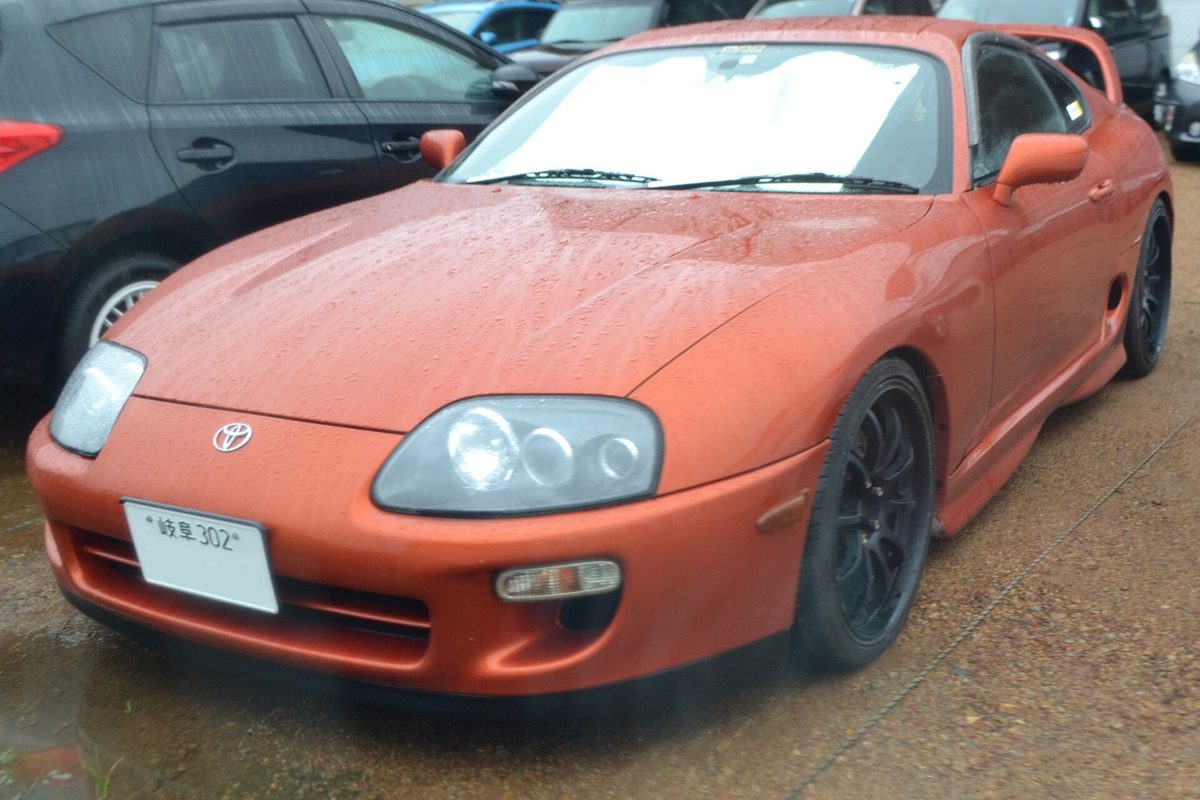
- Japan still wins for the JZA80 Supra: a ¥8,880,000 median lands at roughly $58,800 to $61,300, against a $73,666 median across 30 US auction sales.
- The US now wins for the R32 GT-R ($47,000 US median vs $62,700 to $65,200 landed), the FD3S RX-7 ($37,710 vs $44,300 to $46,800) and the R34 GT-R ($153,000 vs about $200,000).
- The R33 GT-R, the NSX and the Evo IV to VI come out about even. The cheap-looking Evo VII to IX and GDB STI in Japan are mostly too young for the US: 14 of 59 and 1 of 94 priced listings are 2001 or older.
- The Japan side is a dealer asking price, the US side a hammer price before the 5% buyer fee, and neither includes compliance, registration or our fee. The gap moves with each month's census.
Contents
Japan landed vs US auction, October 2026
Under every video about JDM prices, the comments have the same argument: importing from Japan used to be the cheap way in, and now it supposedly is not. Both halves are true, model by model. We counted every priced Japanese dealer listing for 12 iconic models on 5 October 2026, added a deliberately wide landed band to a US port, and set that against what the same models actually sold for at US auctions over the previous 12 months. A JZA80 Supra still lands about $12,000 under the US auction median. An R32 GT-R, an R34 GT-R and an FD3S RX-7 now cost less to buy at home. Every Japanese figure here was checked on the official listing pages on 5 October 2026, and every one updates monthly on our iconic JDM price page.
Model by model: where Japan still wins
| Model | Japan median (priced cars) | Landed at a US port, rough | US auction median (sales, 12 months) | Who is cheaper |
|---|---|---|---|---|
| Toyota Supra (JZA80) | ¥8,880,000 ($55,500), 25 | $58,800–$61,300 | $73,666 (30) | Japan, by $12,400–$14,900 |
| Mitsubishi Lancer Evolution VII–IX | ¥4,270,000 ($26,688), 59 | $29,200–$31,700 | $39,500 (12) | Japan, but only 14 cars are 2001 or older |
| Subaru Impreza WRX STI (GDB) | ¥2,680,000 ($16,750), 94 | $19,000–$21,500 | $29,500 (37) | Japan, but only 1 car is 2001 or older |
| Nissan Skyline GT-R R33 | ¥9,735,000 ($60,844), 30 | $64,200–$66,700 | $65,500 (9) | About even |
| Honda NSX (NA1/NA2) | ¥16,950,000 ($105,938), 38 | $110,500–$113,000 | $110,000 (105) | About even |
| Mitsubishi Lancer Evolution IV–VI | ¥4,109,000 ($25,681), 21 | $28,200–$30,700 | $30,250 (9) | About even |
| Subaru Impreza WRX STI (GC8) | ¥3,210,000 ($20,063), 27 | $22,400–$24,900 | $19,250 (6) | US, by $3,200–$5,700 |
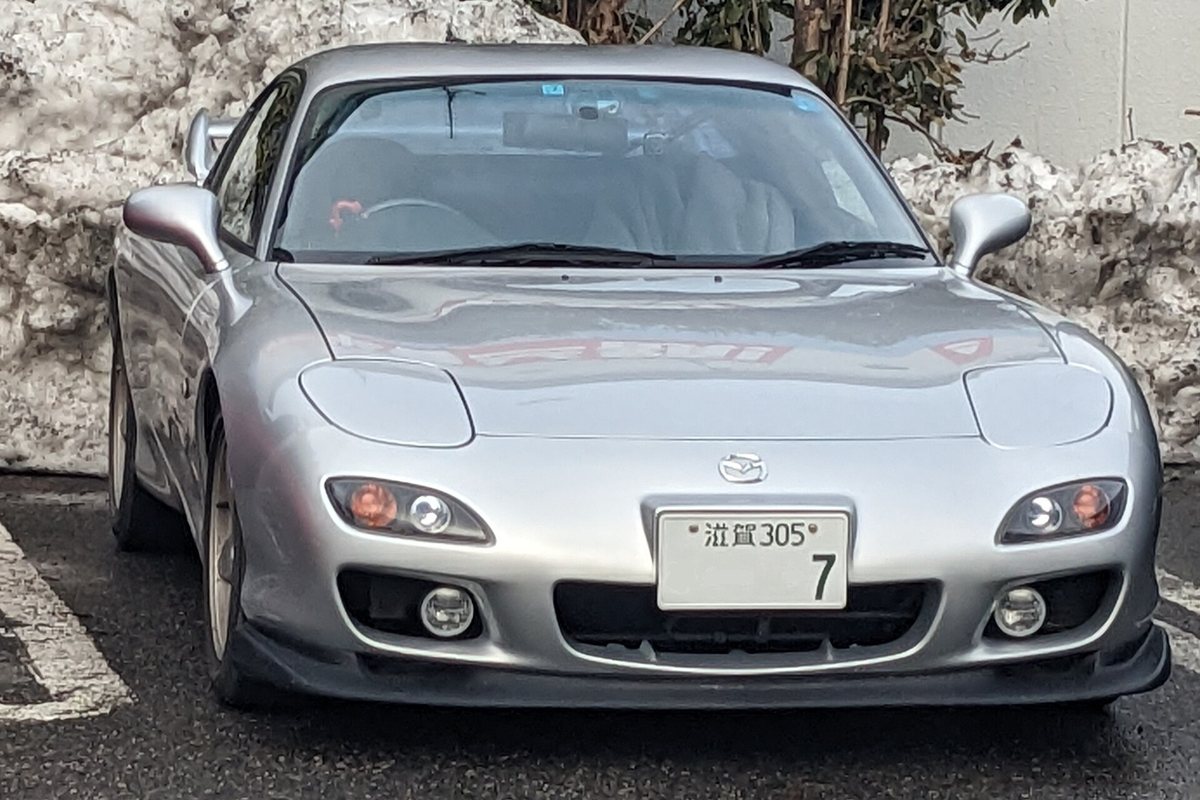
| Mazda RX-7 (FD3S) | ¥6,630,000 ($41,438), 63 | $44,300–$46,800 | $37,710 (32) | US, by $6,600–$9,100 |
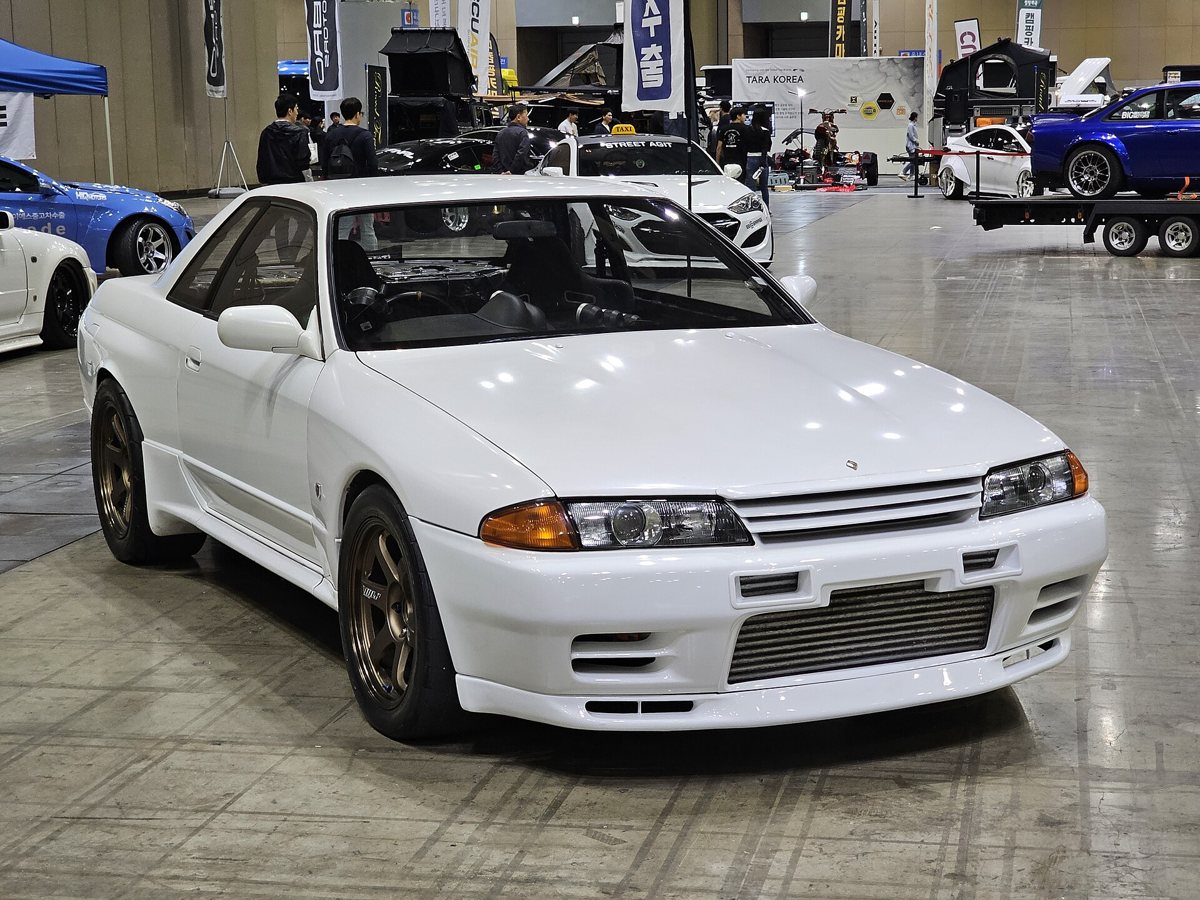
| Nissan Skyline GT-R R32 | ¥9,500,000 ($59,375), 41 | $62,700–$65,200 | $47,000 (13) | US, by $15,700–$18,200 |
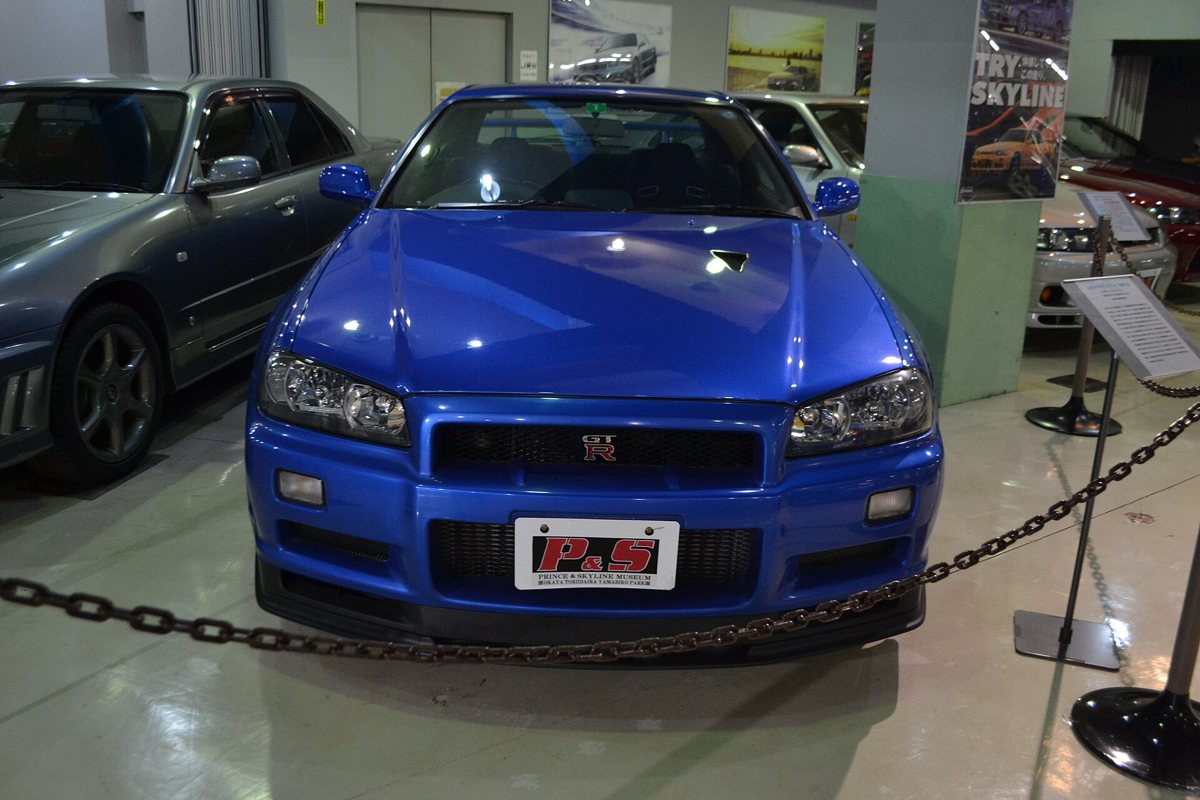
| Nissan Skyline GT-R R34 | ¥30,800,000 ($192,500), 12 | $199,200–$201,700 | $153,000 (14) | US, by $46,200–$48,700 |
The landed band is the Japanese median plus ¥300,000 to ¥700,000 for deregistration, export papers, inland transport, RoRo freight and port handling, plus 2.5% US duty on the price. It leaves out our fee, a customs broker, state tax and registration. The US column is the hammer price before Bring a Trailer’s 5% buyer fee, sold cars only, located in the US.
Why the R32 and the FD are now cheaper at home
Supply is the short answer. Every R32 GT-R became US-legal by 2019, every FD3S by 2027 at the latest, and a decade of imports has put a steady stream of them through US auctions: 13 R32s and 32 FDs sold in the last year. The FD figure also mixes in US-spec 1993 to 1995 cars, which were sold new in the US. Meanwhile the Japanese dealer median has not fallen to meet them. The Japanese market for these cars is now a domestic collector market as much as an export pool, and the dealers price for that.
The R34 is the extreme case. Only 12 of the 39 R34 GT-R listings in Japan showed a price at all; the other 27, more than two thirds, were “ask”. The priced median of ¥30,800,000 is therefore a floor for the Japanese market, not its middle, and landed in the US it already sits about $47,000 above the US median. Ten of the 14 R34s that sold in the US were 1999 cars, the model year that has cleared the 25-year rule.
Why the Supra still comes out ahead
The JZA80 is the opposite story: 25 priced cars in Japan at a ¥8,880,000 median, and a US market that paid a $73,666 median across 30 sales in the year. Two cautions keep that honest. The US sales include the US-spec Turbo six-speed, the most expensive version of the car, while the Japanese median covers every JZA80 from the non-turbo SZ to the RZ. And 5 of the 30 Japanese listings showed no price. Even so, a Japanese RZ bought near the median and landed at a US port sits well inside the range American buyers have been paying.
The trap: cheap in Japan, but not allowed in yet
Two models look like easy wins and mostly are not. An Evo VII to IX lands at roughly $29,200 to $31,700 against a $39,500 US auction median, and a GDB Impreza STI at about $19,000 to $21,500 against $29,500. But the US auctions are selling US-spec Evo VIIIs and IXs and 2004 to 2007 STIs, and the Japanese cars cannot follow them yet. The 25-year rule counts from the month of manufacture, so in October 2026 only cars built by October 2001 qualify: 14 of the 59 priced Evo VII to IX listings and 1 of the 94 GDBs. For Australia, the UK and Canada the age rules are different, and our country import guides set them out; the 25-year rule guide has the US timeline chassis by chassis.
What this comparison does not settle
The two sides are not the same kind of number. A Japanese dealer median is an asking price with the dealer’s preparation and margin inside it; exporters who buy at Japanese auctions pay under it, and a specific car can sit well below or above it. A US auction median is what bidders paid for the cars that happened to sell that year, before the 5% buyer fee, and it leans toward clean, low-mileage cars that photograph well. Adding the buyer fee to the US side moves every line about 5% in Japan’s favour: roughly $3,700 on the Supra, $2,350 on the R32. We have no comparable auction data for Australia, the UK or Europe yet, so for those countries use the landed band on the iconic JDM price page against your own local listings.
The median is the ceiling, not the car you buy
Every Japanese figure on this page is a retail asking price. The import that still pays is a specific car, found at a dealer or at auction, checked before money moves, and priced to your door as one number. Tell us the model, the spec and where it is going, and we'll quote a real car landed.
For the drift chassis the same census runs monthly in the drift car price index, and today’s S13, S14, S15, 180SX, AE86 and JZX listings are on drift cars for sale with a landed band for six countries on every car.
Frequently asked questions
Is it cheaper to buy a Skyline GT-R in Japan or in the US in 2026?
For the R32 and R34, the US. The median R32 GT-R at Japanese dealers was ¥9,500,000 on 5 October 2026; landed at a US port that is roughly $62,700 to $65,200, while 13 R32s sold at US auctions in the previous 12 months at a $47,000 median. The R34's ¥30,800,000 Japanese median lands near $200,000 against a $153,000 US median. The R33 is about even: roughly $64,200 to $66,700 landed against $65,500 at US auctions.
Is a Supra cheaper in Japan than in America?
Yes, still. The median JZA80 Supra listed in Japan on 5 October 2026 was ¥8,880,000, about $55,500, from 25 priced cars; with a wide freight band and 2.5% US duty it lands at roughly $58,800 to $61,300. Thirty JZA80-generation Supras sold at US auctions in the previous year at a $73,666 median, though many of those were US-spec turbo six-speeds, the most sought-after version.
Can I import a 2004 STI or an Evo IX from Japan to the US?
Not yet. The US 25-year rule counts from the month of manufacture, so in October 2026 only cars built by October 2001 qualify. Of the 94 GDB Impreza STI listings priced in Japan on 5 October 2026, 1 was a 2001 car; of 59 Evo VII to IX listings, 14 were. That is why the US prices for those models look high: the US auctions sell US-spec cars, and the cheaper Japanese ones cannot enter yet.
Where do these numbers come from?
The Japan figures are a census of every priced listing on Goo-net, Japan's largest used-car site, read on 5 October 2026 and published monthly on our iconic JDM price page. The US figures are Bring a Trailer results: sold cars only, located in the US, ended between 5 October 2025 and 5 October 2026, at the hammer price before the 5% buyer fee. The landed band uses the same freight range and 2.5% duty as our country import guides.
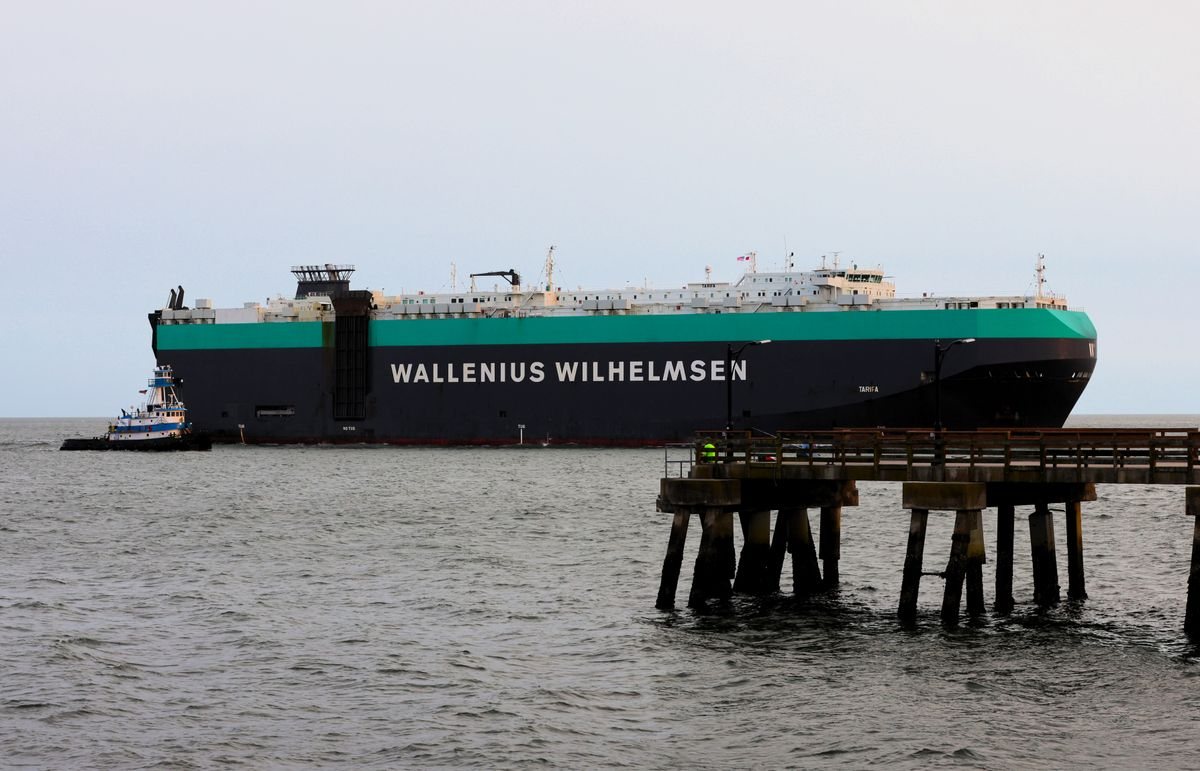 How to Import a Drift Car from Japan to the US: Forms & Duty (2026)
 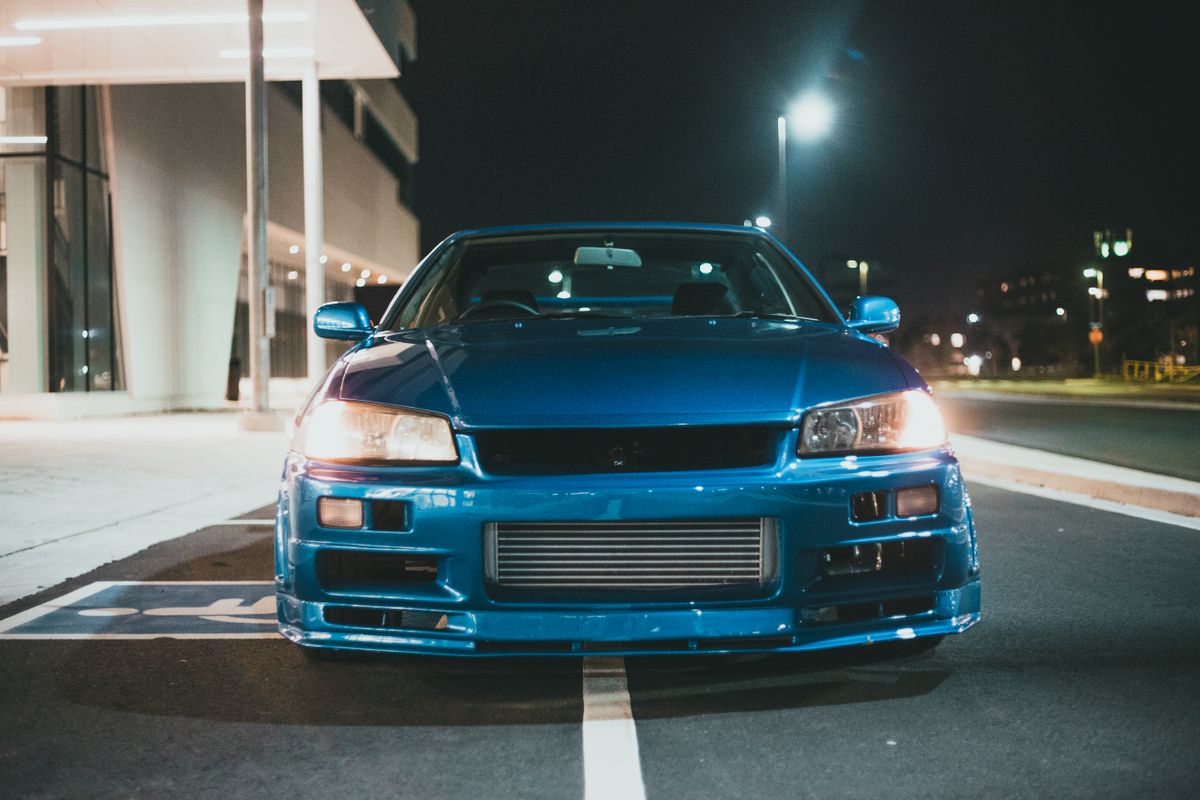 The 25-Year Rule for Drift Cars: What's Legal in the US (2026)
 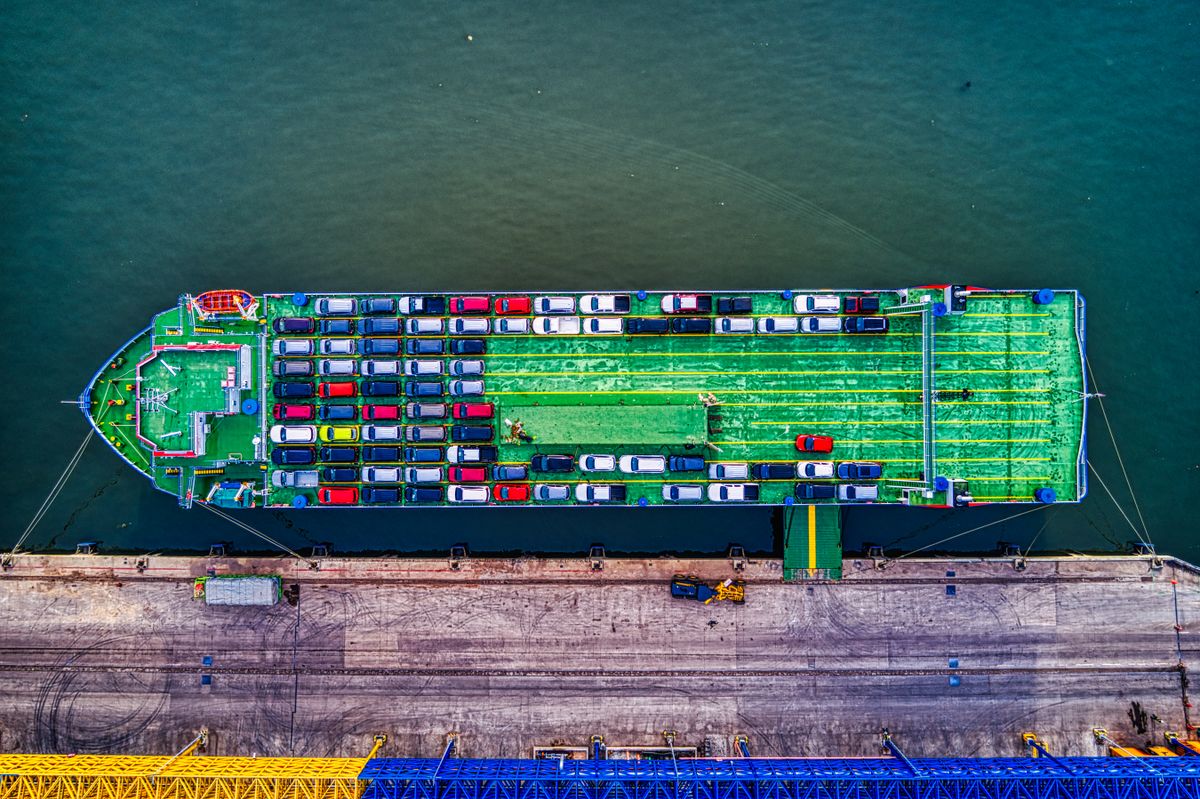 How to Import a Drift Car from Japan: The Whole Process (2026)
 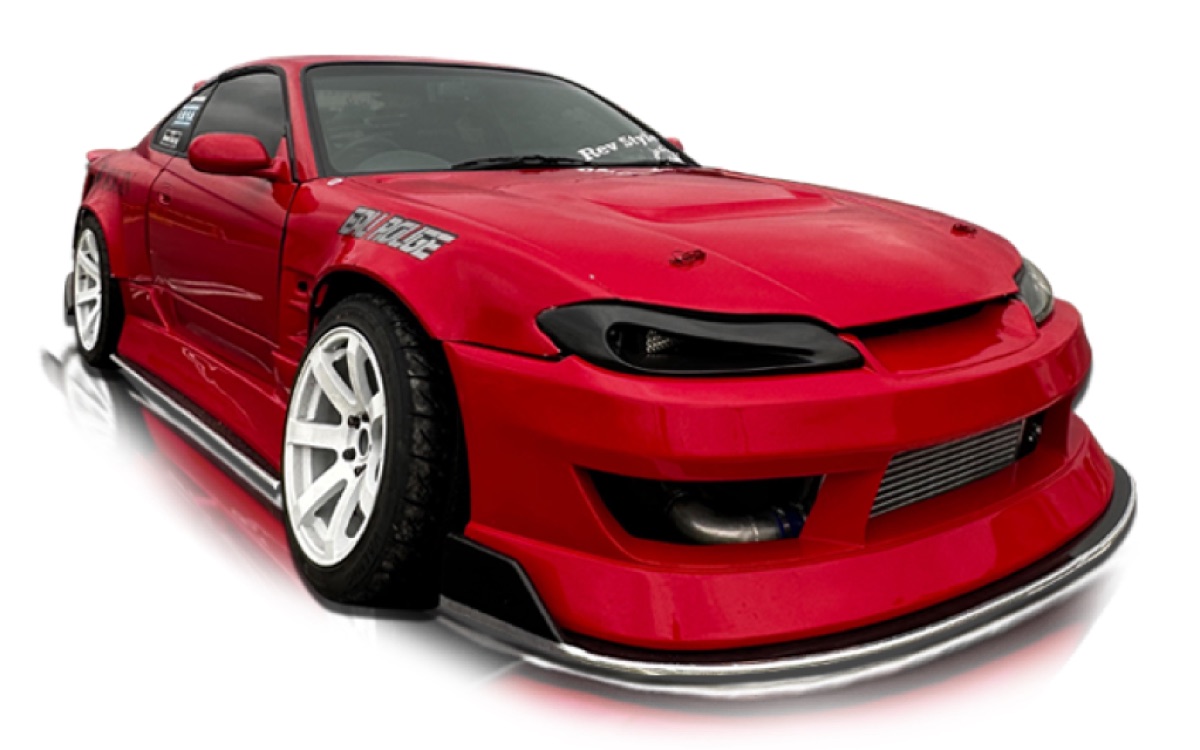 ORIGIN Labo. Price List 2026: Every Aero Kit by Chassis, Ex-Tax