
Daikoku PA 2026: Closures, Access and What the Law Says
The Rundown
- There is no pedestrian access to Daikoku PA. The expressway operator publishes a notice stating the site is fenced, the gate is closed, and there is no bus stop or taxi rank inside it.
- Weekend closures are real and routine, but Japanese sources put them at around 20:30 running to about 02:00, not the 19:00 repeated in English forums.
- Daikoku Futo is one of only five designated anti-reckless-driving zones in Kanagawa, and the designation covers the PA's own address plus a 30-metre buffer.
- Watching is not an offence. Cheering on reckless driving after a police order to stop is, and carries a fine of up to ¥50,000 inside that zone.
- Shutoko lists five parking areas under the same closure measures — Heiwajima, Tatsumi Daiichi, Hakozaki, Shibaura and Daikoku — so switching to another PA is not a workaround.
Contents
Daikoku PA, the verified position
Daikoku Parking Area is the most-asked-about place in Japanese car culture and the most badly explained. English forums will tell you it closes at 19:00, that a tour guide was arrested for taking tourists there, and that watching is itself illegal. All three are wrong or distorted, and the true version is more useful: there is no way in on foot, closures start around 20:30 and are decided on the night, and the real legal exposure is a ¥50,000 fine for encouraging reckless driving inside a designated zone that includes the PA’s own address. Everything below was checked against the expressway operator’s own pages, Kanagawa Police, and Japanese reporting on 14 September 2026.
You cannot get there without a car. At all.
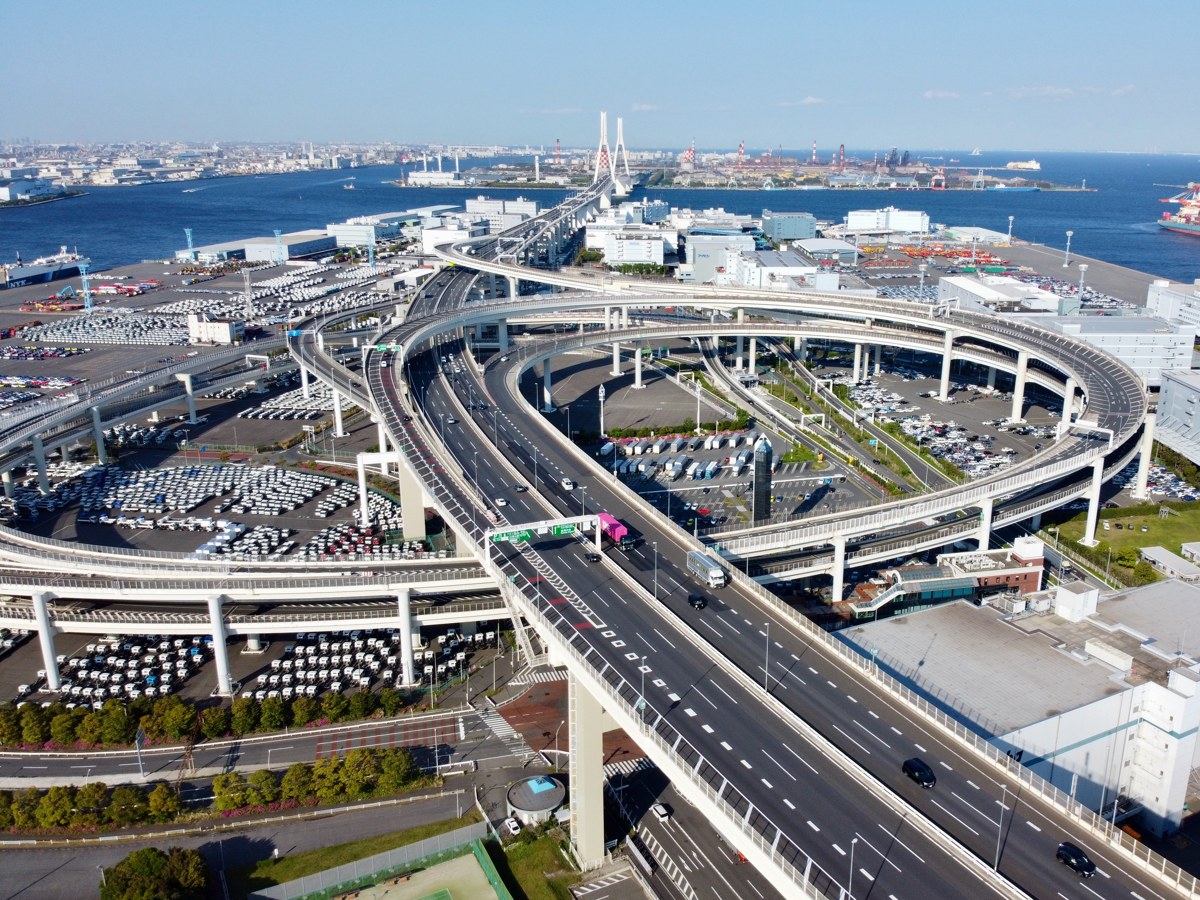
This is the first thing to settle, because it decides whether the rest matters to you. Daikoku PA sits inside the spiral of Daikoku Junction on the Shuto Expressway, where the Kanagawa Route 5 Daikoku Line meets the Bayshore Line. The only way in is from the expressway.
The operator is blunt enough about it to have published a dedicated notice and an English-language video: the site is fenced, the pedestrian gate is closed, and there is no taxi rank and no bus stop inside the PA. City buses serve Daikoku Wharf, not the parking area, and the last ones leave between roughly 19:30 and 21:00 — before the meets even begin. People do climb the fence, at a reported rate of about ten a month. That is trespass, not access.
If a tour is carrying you in a vehicle, that works. Walking, taxiing or bussing to it does not.
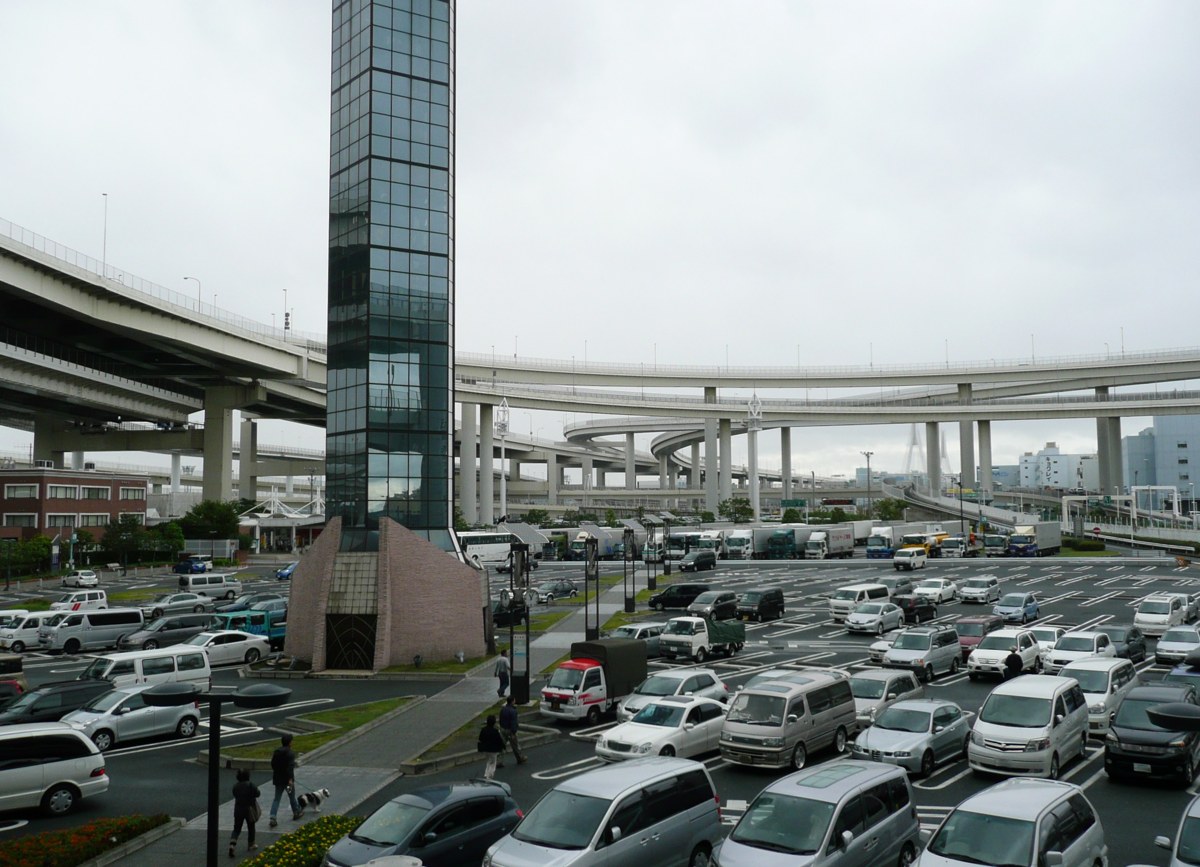
The expressway operator has been explicit enough about this to make a video in English about it:
The closure: the number everyone repeats is wrong
Closures are real, routine and acknowledged by the police, who have used the hashtag #大黒PA閉鎖 in their own posts. But the timing that circulates in English is not what Japanese sources report.
| What English forums say | What the sources say |
|---|---|
| Closes at 19:00, Fri–Sun | Closes around 20:30, running to about 02:00 and sometimes to morning |
| A fixed schedule | A discretionary decision on the night by operator and police, triggered by overcrowding and noise complaints |
| The whole PA shuts | Only ordinary small vehicles are shut out; trucks are exempt, and toilets and EV chargers stay usable |
| Something new | First closure of this kind was February 2003 |
We can even trace where the wrong number came from. One tour operator tells English-speaking customers the PA “typically closes at 8 PM from Friday to Sunday” — a rounded rule of thumb that has drifted down to 19:00 in retelling. Another operator’s own trip report documents a 21:00 closure.
The honest planning advice is that there is no timetable. On a Friday or Saturday night it is likely to be closed from roughly 20:30, and nobody can tell you in advance whether it will be. Anyone selling you a guaranteed Daikoku experience is selling something they do not control.
What the law actually says
Here is the finding worth more than everything else on this page. Kanagawa Prefecture designates five priority zones against reckless driving, covering 27 routes. One of them is the Tsurumi district, and its routes are listed by address. Two of them name 大黒ふ頭15番地 — the parking area’s own registered address — and the designation extends to everything within 30 metres of the road boundary.
So the Reddit claim that “it is illegal to even watch a street drift” is wrong as stated, but there is a real rule underneath it:
The line that actually matters
Watching is not an offence, and photographing cars is not a crime. But inside a designated zone, cheering on or encouraging reckless driving after an officer has ordered you to stop is an offence under the prefectural ordinance, carrying a fine of up to ¥50,000. Daikoku Futo is one of those zones. A foreign visitor filming and whooping at a drift display on the wharf is closer to that line than they probably realise.
Separately, the drifting itself happens on the public municipal roads on the wharf, not inside the PA, and drivers have repeatedly been arrested for it. One March 2025 operation produced ten arrests of drivers aged 19 to 22.
About that arrest
An arrest did happen, and it is not the one people describe. In January 2026 the Tokyo Metropolitan Police arrested the director of a Shinjuku guide company that ran sports-car tours for inbound visitors, as reported by Kyodo News and Asahi. The charge was operating two defective vehicles, in Koto-ku, Tokyo. Not guiding. Not Daikoku.
Three separate things keep getting fused into one story: a Tokyo operator charged over vehicle condition, drivers arrested for drifting on wharf roads, and the routine PA closures. They are unrelated, and conflating them produces exactly the kind of confident misinformation this page exists to correct.
”Just go to Tatsumi instead” is not advice
Shutoko’s own FAQ names five parking areas subject to closure measures against the same nuisance driving: Heiwajima (inbound), Tatsumi Daiichi, Hakozaki, Shibaura and Daikoku. Tatsumi Daiichi, which sits on the Fukagawa Line, has 29 car spaces, no shops, and blind fences installed specifically to stop people watching. Umihotaru had a modified-car gathering closure of its own in April 2026.
The pattern is the point. This is not Daikoku being singled out; it is a standing policy across the network.
What to do instead if you are planning a trip
If seeing Japanese car culture is why you are flying, build the trip around things that publish dates and open their gates on purpose. Circuit days are the obvious answer, and unlike a parking area they will still be there at the time they said. Our event calendar lists confirmed drift dates, the cost guide shows that watching at a circuit starts at ¥500, and the track directory covers which venues a visitor can actually reach.
Daikoku is worth seeing if you happen to be driving past in the afternoon. It is a poor thing to plan a trip around, and a worse thing to plan a night around.
The version of this that actually works
Every venue in Japan that welcomes visitors on a fixed date does it in Japanese, on pages that change without notice, and most of them cannot be reached without a car. Turning that into a weekend you can book flights against is the part we handle. Tell us your dates and we'll build the trip around what is genuinely happening.
Frequently asked questions
Can you visit Daikoku PA without a car?
No. Daikoku Parking Area sits inside an expressway junction and is only reachable from the Shuto Expressway itself. The operator publishes a dedicated notice stating the PA is fenced, the pedestrian gate is closed, and there is no taxi rank and no bus stop inside it, and it made an English-language video saying the same. Buses serve Daikoku Wharf, not the parking area, and they stop running between about 19:30 and 21:00.
What time does Daikoku PA close?
There is no published timetable. Japanese reporting puts the weekend closure at around 20:30, running until roughly 02:00 and sometimes to morning, every Saturday and increasingly on Friday nights. Kanagawa Police have used the hashtag #大黒PA閉鎖 in their own posts. The widely repeated 19:00 figure appears to come from a tour operator's rounded English guidance of 8 PM. It is a decision made on the night by the operator and police, so nobody can tell you in advance.
Is it illegal to watch car meets at Daikoku?
Merely watching is not an offence, and photographing cars is not a crime. But Daikoku Futo is one of five designated zones in Kanagawa under the prefecture's anti-reckless-driving ordinance, covering the wharf roads and the PA's own address at 大黒ふ頭15番地 plus everything within 30 metres. Inside that zone, cheering on or encouraging reckless driving after being ordered by an officer to stop carries a fine of up to ¥50,000.
Was a Daikoku tour guide arrested?
An arrest happened, but not the one usually described. In January 2026 the Tokyo Metropolitan Police arrested the director of a Shinjuku guide company that ran sports-car tours for overseas visitors, as reported by Kyodo News and Asahi. The charge was operating two defective vehicles in Koto-ku, Tokyo — not guiding, and not at Daikoku. Separately, drivers have been arrested for drifting on the public wharf roads at Daikoku Futo, which is a different matter again.
 Is Drifting Legal in Japan? Circuits, Streets and the Law (2026)
  Noise Limits, Kit and Car Rules at Japanese Drift Tracks (2026)
  Are You Insured If You Crash at a Japanese Drift Track? (2026)
  Flags, Meetings & Pit Rules at a Japanese Drift Day (2026)