

Is Drifting Legal in Japan? Circuits, Streets and the Law (2026)
The Rundown
- Drifting on a closed circuit or on private land is ordinary motorsport in Japan. Drifting on a public road is not: article 68 of the Road Traffic Act (joint dangerous conduct) carries up to 2 years' imprisonment or a ¥500,000 fine under article 117-3, plus 25 demerit points.
- Since 21 July 2026, article 2 item 6 of the Act on Punishment of Acts Inflicting Death or Injury by Driving a Motor Vehicle — inserted by Act No. 52 of 2026 — treats deliberately sliding or lifting the tyres as dangerous driving: up to 15 years if you injure someone, 1 year or more if you kill someone.
- 25 demerit points revokes the licence of a driver with no prior record and blocks a new one for 2 years. Dangerous driving causing injury or death is scored 45 to 62 points, which pushes that bar to 5 years.
- A foreign visitor is not outside the system. Article 107-5 lets the prefectural public safety commission ban you from driving on an International Driving Permit for up to 5 years, and for 3 to 10 years where the conduct amounts to a dangerous-driving offence.
- The legal version is sold over a counter: Ebisu Circuit (Fukushima) runs drift sessions on named courses, 8:30 to 17:00, closed most Wednesdays, as read off its official site on 9 September 2026.
Contents
Drifting and Japanese law — checked 9 September 2026
On a closed circuit or on private land, drifting in Japan is ordinary motorsport that you buy over a counter, and Ebisu Circuit (Fukushima) sells drift running on named courses like any other track session. On a public road it is a crime, and since 21 July 2026 it can be a much more serious one: article 2 item 6 of the Act on Punishment of Acts Inflicting Death or Injury by Driving a Motor Vehicle now names deliberately sliding or lifting the tyres as dangerous driving. Every law reference, penalty and points figure below was checked against the official texts on e-Gov, the Ministry of Justice and the National Police Agency on 9 September 2026.
That line is cleaner than the internet suggests. The confusion comes from the footage: an English-speaking fan sees mountain-pass runs and car-park nights in old videos and games, and reasonably assumes there is a legal grey zone. There is not. What there is instead is a large, cheap, well-organised circuit scene that most visitors never find because none of it is written in English.
Which Japanese laws does street drifting actually break?
Four provisions do the work, and they escalate. The demerit points come from appended table 2 of the Road Traffic Act Enforcement Order, not from the Act itself.
| What you did | Law and article | Maximum penalty | Points |
|---|---|---|---|
| Two or more of you running cars together on a road so as to seriously endanger traffic or seriously annoy others — the anti-bōsōzoku clause | Road Traffic Act art. 68, penalty art. 117-3 | 2 years’ imprisonment or ¥500,000 fine | 25 |
| Failing to operate the steering and brakes reliably, or driving at a speed and in a manner that endangers others | Road Traffic Act art. 70, penalty art. 119(1)(xiv) | 3 months’ imprisonment or ¥50,000 fine | 2 |
| Breaching art. 70 with intent to obstruct another vehicle — bōgai unten, obstruction driving | Road Traffic Act art. 117-2-2(1)(viii)(ri) | 3 years’ imprisonment or ¥500,000 fine | 25 |
| The same, where it halts a car on an expressway or creates serious danger | Road Traffic Act art. 117-2(1)(iv) | 5 years’ imprisonment or ¥1,000,000 fine | 35 |
| Deliberately sliding or lifting the tyres so the car cannot be controlled, injuring someone | Punishment Act art. 2(vi) | 15 years’ imprisonment, no fine option | 45–55 |
| The same, causing a death | Punishment Act art. 2(vi) | 1 year or more, no fine option | 62 |
Two terms worth unpacking. Bōsōzoku (暴走族) are the motorcycle and car gangs that ran in convoy from the 1970s onward; article 68 was written for them, and it catches any group of two or more cars, which is exactly what a tandem run is. Bōgai unten is Japan’s road-rage offence, added in 2020. And the sentences now read “imprisonment” flatly because Japan merged its two custodial sentences into a single kōkinkei on 1 June 2025.
Did Japan really make drifting a dangerous-driving offence in 2026?
Yes — and this one is worth checking yourself rather than taking from a forum. Act No. 52 of 2026 amended the punishment act with effect from 21 July 2026. The new article 2 item 6 covers, in the official Japanese, deliberately causing the tyres to slip or lift so that the vehicle’s progress becomes difficult to control. The Ministry of Justice’s own Q&A glosses it as drifting through curves and lifting a motorcycle’s front wheel. The same amendment set numerical thresholds for the speed category: 50 km/h over the limit where the limit is 60 km/h or less, 60 km/h over where it is higher.
Read the ceiling on this one carefully
Article 2 is a death-or-injury offence. It does not criminalise a slide by itself — it changes what happens when a street slide hurts somebody, from a negligence charge to a 15-year maximum, or 1 year upwards if someone dies. The everyday street-drifting charges remain articles 68 and 70. Do not read "drifting is now dangerous driving" as meaning the old rules got softer; both sets apply.
What does it cost a foreign visitor specifically?
More than the fine, because the licence consequences travel with you. Under appended table 3 of the Enforcement Order, a driver with no prior record who reaches 25 points has the licence revoked and cannot apply for a new one for two years; 35 points makes it three years, and 45 points or more makes it five. Article 68 alone is 25 points from a single incident.
If you are driving on an International Driving Permit, article 107-5 of the Road Traffic Act gives the prefectural public safety commission a parallel power: it can prohibit you from driving on that permit for a period of up to five years for a Road Traffic Act breach, and for between three and ten years where the conduct falls under articles 2 to 4 of the punishment act. On top of that, police can seize the car as evidence, and article 19 of the Penal Code allows a court to confiscate property used to commit an offence.
So where can you legally drift in Japan?
Four routes, all of them open to a visitor.
Circuit track days are the mainstream one: dedicated drift courses at venues like Ebisu Circuit (Fukushima) and Meihan Sportsland (Nara), sold by the session or the half day. Private-land venues are the useful oddity — Okuibuki Motorpark (Shiga) is a ski resort’s asphalt rather than a public road, which is why unregistered cars can run there at all. Rental drift cars exist at some venues, which solves the hardest problem for anyone flying in. And a passenger ride puts you in the car without a licence at all, which is covered in our guide to riding in a drift car as a passenger.
To drive, you need a valid licence plus an International Driving Permit obtained in your own country before departure — the requirements, the countries that need a different document, and the venues that check are all in our licence and IDP guide. For which track suits which trip, start with the circuit guide and the track directory.
The legal route has one step that quietly stops most visitors
A circuit day is the answer, and it is also where the trail goes cold. Drift days are sold through Japanese reservation systems, organiser entry sheets, a phone call or a fax; some venues want a Japanese address, and a few still expect a hanko seal you do not own. None of it is published in English, and none of it can be solved from a hotel room at midnight. That is the step we take over: send us the dates you will be in Japan and we will match them to legal run days, file the entry in Japanese and be at the desk with you on the morning. See how to get onto a legal Japanese drift day with us — dates matched, entry filed in Japanese, paddock sorted.
What about car parks, touge and a modified car on the road?
The three questions that always follow, answered as honestly as the sources allow.
The grey areas, straightened out
- Car parks. Private property, so the Road Traffic Act's road provisions largely do not apply — but you need the owner's permission. Without it you are trespassing and creating a nuisance, and the operator can and does call the police. "Private land" is a permission, not a loophole.
- Touge. A tōge (峠) is a mountain pass, and it is a public road with a speed limit like any other. Drifting one is illegal today, full stop. The history is genuinely important to the sport and we tell it in our history of touge and where drifting was born — as history.
- Modified cars on the road. Article 71-2 of the Road Traffic Act bans driving a car whose silencer has been removed or cut, worth 2 points. The detailed noise and construction limits sit in ministerial ordinances under the Road Vehicles Act and are what shaken (車検) inspection tests. We have not read a specific decibel figure off the official ordinance text, so treat the exact threshold as TBC rather than taking a number from a tuning forum.
The practical summary is short. Japan has not banned drifting; it has drawn a hard line around where the tyres may leave grip, and then built a lot of places on the legal side of that line. Dated run days for those places are on our event and track calendar.
Frequently asked questions
Is drifting illegal in Japan?
It depends entirely on where the tyres are turning. On a closed circuit or on private land it is legal motorsport that you can pay for over a counter — Ebisu Circuit in Nihonmatsu, Fukushima, sells drift running on named courses. On a public road it is illegal, and as of 9 September 2026 the relevant provisions are article 68 of the Road Traffic Act (joint dangerous conduct, up to 2 years' imprisonment or a ¥500,000 fine and 25 demerit points) and article 70 (duty of safe driving, up to 3 months or ¥50,000 and 2 points). Since 21 July 2026 deliberately sliding the tyres is also listed as dangerous driving where it hurts someone.
Can tourists drift legally in Japan?
Yes, on a circuit or on private land, and thousands do. As of 9 September 2026 the legal routes are a circuit drift day in your own or a rented drift car, an organiser-run track day, a private-land venue that admits unregistered cars, or a passenger ride where you never touch the wheel. To drive you need a valid licence plus an International Driving Permit issued in your home country before you travel; a passenger ride needs neither. What no tourist may do is take the same car onto a public road and slide it, which is a criminal offence regardless of nationality.
What happens if you drift on the street in Japan?
As of 9 September 2026 the realistic outcomes stack. Article 70 of the Road Traffic Act alone is 2 demerit points and a ¥9,000 fixed penalty for an ordinary car; if two or more of you are running together, article 68 raises it to 25 points and up to 2 years' imprisonment or a ¥500,000 fine, and 25 points revokes a clean licence and bars a new one for 2 years. If someone is injured, article 2 item 6 of the punishment act (in force since 21 July 2026) allows up to 15 years. Police can also seize the car as evidence, and a court may confiscate it under article 19 of the Penal Code.
Is drifting now classed as dangerous driving in Japan after the 2026 law change?
Yes, and it is verifiable on e-Gov rather than only in forum threads. Act No. 52 of 2026 amended the Act on Punishment of Acts Inflicting Death or Injury by Driving a Motor Vehicle with effect from 21 July 2026, and the current article 2 item 6 reads, in the official Japanese, as deliberately causing the tyres to slip or lift so that the vehicle's progress becomes difficult to control. The Ministry of Justice explains it as covering drifting through curves and lifting a motorcycle's front wheel. The same amendment added numerical speed thresholds of 50 km/h and 60 km/h over the limit. It is a death-or-injury offence, so it bites only when someone is hurt.
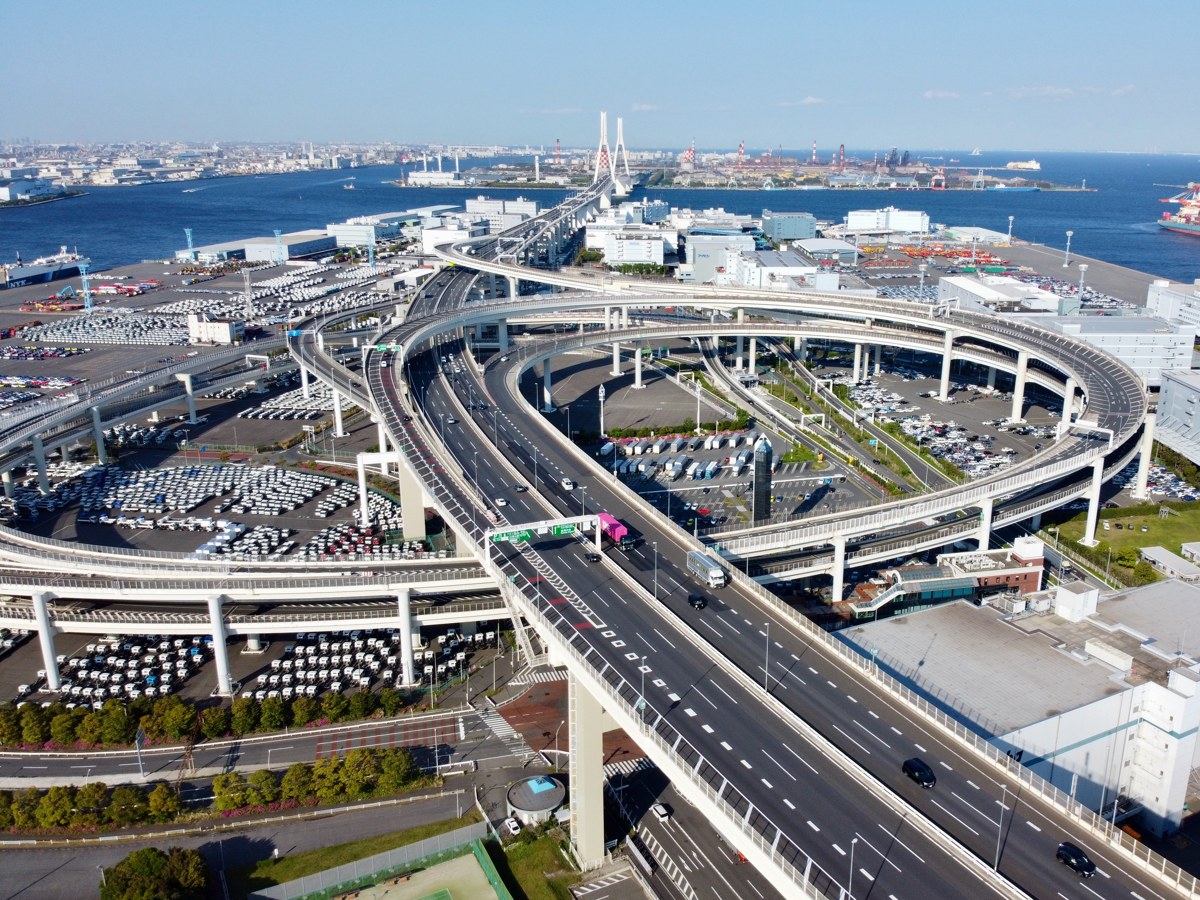 Daikoku PA 2026: Closures, Access and What the Law Says
  Noise Limits, Kit and Car Rules at Japanese Drift Tracks (2026)
  Touge: Where Drifting Was Actually Born
 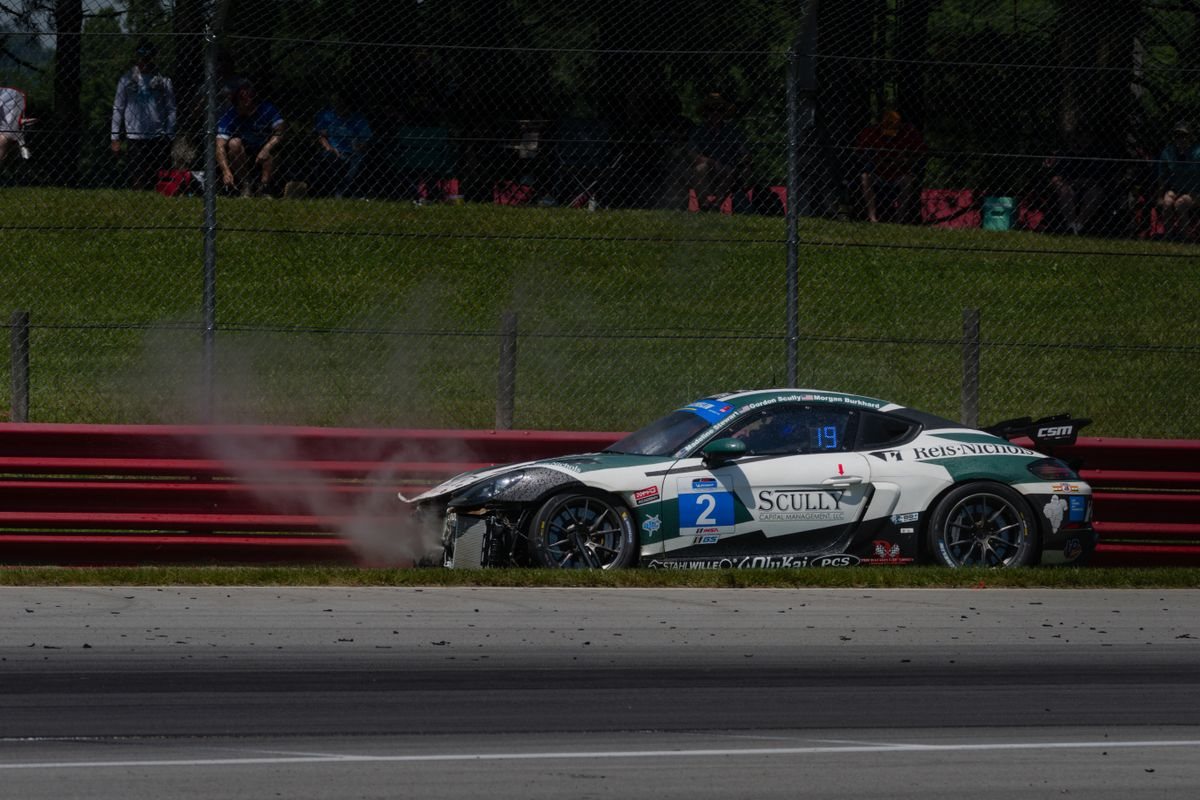 Are You Insured If You Crash at a Japanese Drift Track? (2026)