
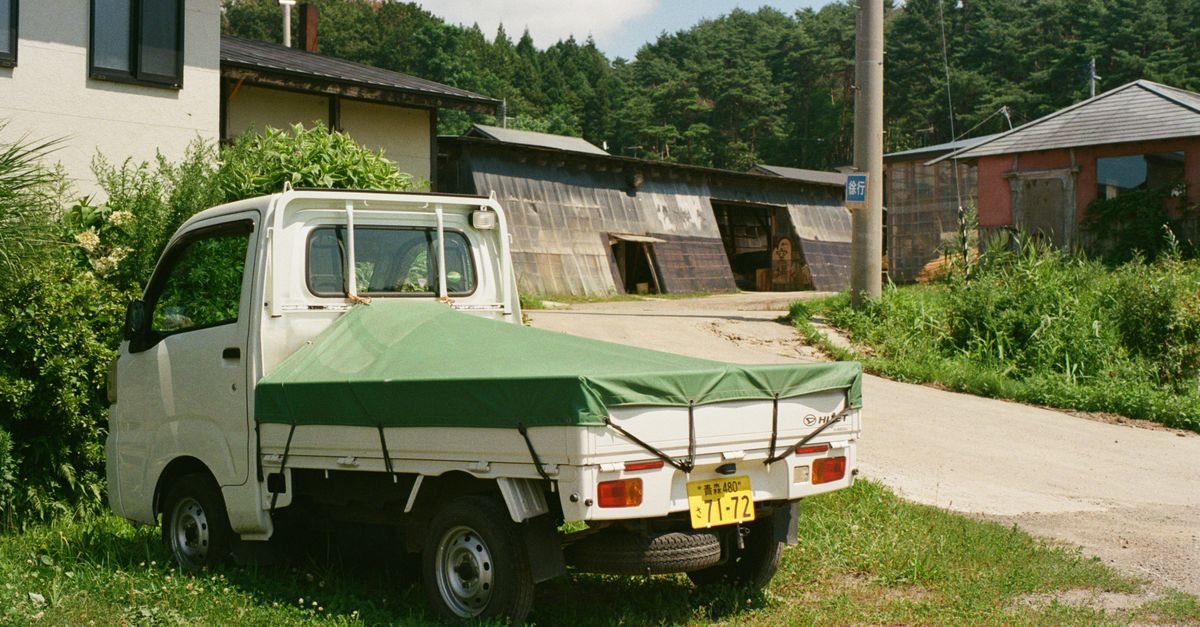
Kei Truck from Japan to the US: Prices, Duty & Registration (2026)
The Rundown
- Our 18 November 2026 morning read of Goo-net, Japan's large used-car site, counted 418 kei trucks built up to 2001 for sale: 98 Daihatsu Hijet, 88 Subaru Sambar, 86 Honda Acty, 74 Suzuki Carry and 72 Mitsubishi Minicab.
- The 25 most recent of those listings (five per model, listed 6 to 17 November 2026) asked body prices from ¥99,000 (about $620) for a 1993 Sambar to ¥1,020,000 (about $6,400) for a 2000 Sambar supercharger 4WD with 47,000 km.
- US duty on a kei truck is 25% of the price paid: the US tariff schedule lists 25% for HTS 8704.31.01 (spark-ignition goods vehicles up to 5 tonnes) and CBP's import page lists trucks at 25%, checked on 18 November 2026. A Japanese-built passenger car pays 12.5% in total; the truck rate is double that.
- Federal rules admit a vehicle that is 25 or more years old (49 CFR 591.5(i)), and EPA has a separate provision for vehicles over 21 years old with the original engine. Every truck built in 2001 or earlier is past 25 years by the end of 2026, but the build month on the truck decides.
- Clearing customs is federal; as of 18 November 2026 registering a kei truck for the road is decided by each state, so ask your state DMV before you buy.
Contents
Pre-2001 kei trucks from Japan at a glance
A kei truck built in 2001 or earlier can be imported from Japan to the US under the 25-year rule, and it pays 25% duty as a truck, double the 12.5% a Japanese-built passenger car pays. On 18 November 2026 our read of Goo-net counted 418 of them for sale in Japan (Suzuki Carry, Daihatsu Hijet, Honda Acty, Subaru Sambar and Mitsubishi Minicab), and the 25 most recent listings asked ¥99,000 to ¥1,020,000 (about $620 to $6,400) body price. The duty rate and federal rules below were checked on the CBP, USITC, eCFR and EPA pages on 18 November 2026; road registration is decided by your state.
A kei truck (軽トラ, kei tora) is Japan’s micro pickup: a cab-over truck in the kei class, Japan’s small-vehicle category: 24 of the 25 listings below have a 660 cc engine, and a 1988 Hijet has 550 cc. Farmers, builders and shops in Japan use them every day, which is why there are always a few hundred old ones for sale. This guide covers the five makers our JDM cars for sale page reads every morning.
How much does a kei truck from Japan cost right now?
We read Goo-net’s listing pages for these trucks every morning and keep the ones built up to 2001, the years that are old enough for the US. On 18 November 2026:
| Truck | Listed (built to 2001) | Five recent listings, body price | Live listings |
|---|---|---|---|
| Daihatsu Hijet | 98 | ¥164,000 (1994, 4WD, automatic) to ¥540,000 (2001 Jumbo, 2WD, 5-speed) | Hijet |
| Subaru Sambar | 88 | ¥99,000 (1993, repair history) to ¥1,020,000 (2000 TC supercharger, 4WD, 47,000 km) | Sambar |
| Honda Acty | 86 | ¥160,000 (1999 SDX, 4WD) to ¥350,000 (1997 dump bed, 4WD) | Acty |
| Suzuki Carry | 74 | ¥230,000 (2000 KU, 59,000 km) to ¥634,000 (1999 turbo, part-time 4WD, 5-speed) | Carry |
| Mitsubishi Minicab | 72 | ¥150,000 (2000 V type, 4WD, 5-speed) to ¥468,000 (2001 V type, 4WD, 59,000 km) | Minicab |
The five listings per truck were posted between 6 and 17 November 2026. Dollar figures use ¥160 to the dollar: ¥99,000 is about $620, ¥540,000 about $3,400 and ¥1,020,000 about $6,400. What pushed a truck to the top of its row in these listings was equipment, not age: the Sambar at ¥1,020,000 is a supercharged 4WD with 47,000 km and service records, a ¥682,000 1994 Sambar has a powered dump bed, and the ¥634,000 Carry is a turbo 4WD described as fully stock. Six of the 25 carried a declared repair history (修復歴, shūfukureki), a field Goo-net shows on every listing.
Each listing also shows a higher “total payment” (支払総額, shiharai sōgaku), the price for a buyer registering the truck in Japan. It is not what an export costs. The asking price is only the first layer:
| Price layer | What it covers | Where the number comes from |
|---|---|---|
| Japan asking price | The dealer’s body price: ¥99,000 to ¥1,020,000 in the 25 listings above | Goo-net listings, 6 to 17 Nov 2026 |
| US duty | 25% of the price paid for the truck | USITC tariff schedule and CBP, 18 Nov 2026 |
| Landed cost | The truck, export costs in Japan (deregistration, inland transport to the port), shipping and the US duty | Actual costs plus our fee; we quote that total for the truck you pick before anything is bought |
Open any kei truck row on the listings page and the panel shows a rough US landed band worked out at the 25% truck rate.
Why is US duty on a kei truck 25%, not the car rate?
Because US Customs treats it as a truck. CBP’s page on importing a motor vehicle lists trucks at 25%, charged on the price paid or payable, and gives a lower base rate for cars. The USITC tariff schedule, read on 18 November 2026, gives 25% for HTS 8704.31.01: motor vehicles for the transport of goods with a spark-ignition engine and a gross vehicle weight up to 5 metric tons, which is where a petrol kei truck sits.
The low figure you read online is for cars
The low duty figures that circulate are the passenger-car base rate printed on CBP's page; since 24 July 2026 USTR's Section 301 action (heading 9903.05.49) lifts Japanese goods with a base rate under 12.5% to 12.5% in total, so a Japanese-built car pays 12.5%. A kei truck pays 25%, already above that line: on a ¥300,000 truck (about $1,900) that is about $470 of duty.
CBP decides the classification at entry, not the seller and not the buyer. A kei van with seats in the back is a different question from a truck with a flat bed, so ask a licensed customs broker about the exact vehicle before you pay. The full port procedure, with the HS-7, EPA form 3520-1, the customs bond and the broker, is in our guide to importing a car from Japan to the US.
Is a 2001 kei truck old enough for the 25-year rule?
Almost certainly by the end of 2026, but the month matters. The federal import regulation, 49 CFR 591.5(i)(1), admits a vehicle that “is 25 or more years old” without meeting the US safety standards, declared on the HS-7 form at the port. The age runs from the date of manufacture, so a truck built in December 2001 is not 25 until December 2026. EPA has its own line: its import page says the provision for vehicles over 21 years old expects an engine identical to the one originally installed, and it encourages importers to contact its Imports Hotline first. A kei truck with a swapped engine needs that conversation before it sails.
Every truck in our daily read was built in 2001 or earlier, so in November 2026 the question is only the last few months of 2001: read the build month on the truck’s plate and on the Japanese registration papers. Our import eligibility calendar shows the same month-by-month logic for the classic JDM models it tracks, and our 25-year rule guide explains the rule.
Can you register a kei truck for the road in your state?
That is not a federal question. Clearing CBP gets the truck into the country; the title and plates come from your state DMV, and the rules for imported kei trucks are not the same in every state. Ask your DMV before you buy, with the year, the maker and the fact that it is a 660 cc right-hand-drive truck. If the answer is no for public roads, the truck can still make sense on a farm or a private property, but that is a different purchase and you should know which one you are making.
How do you buy a kei truck in Japan from the US?
The general route, from deposit to your port, is in our step-by-step import process guide. For a kei truck it looks like this:
Two steps stop most buyers abroad. Step 3: these trucks are 25 to 38 years old and most spent their lives working, and listing photos show the cab and the bed, not the frame and floor underneath. Six of the 25 recent listings declared repair history, and none of the photos tells you what the frame rails look like. Step 4: export deregistration is filed in Japan with the owner’s documents, including a seal certificate only a resident can get, so you cannot finish the Japanese side yourself from overseas; our export deregistration guide explains why.
That is the part we take on for you
Have us find a pre-2001 kei truck in Japan, film its frame and underside, and handle the export paperwork. Tell us the maker, 4WD or 2WD, manual or automatic, and what bed you need; we search dealers, auctions and private sellers, send you candidates with a video and photo walk-through of the underside, frame, engine bay and a cold start, and quote one total, actual costs plus our fee, before anything is bought.
CBP also notes that the US Department of Agriculture requires the undercarriage of an imported vehicle to be free of foreign soil, and tells importers to have it steam-cleaned before shipment. A farm truck needs that done properly.
Looking at small Japanese vehicles beyond trucks? Our Suzuki Jimny JA11, JA12 and JA22 buyer’s guide covers the kei 4x4 from the same years, and is importing a JDM car from Japan still worth it? puts the costs side by side.
Frequently asked questions
How much does a kei truck from Japan cost?
On 18 November 2026 the 25 most recent Goo-net listings of kei trucks built up to 2001 (Suzuki Carry, Daihatsu Hijet, Honda Acty, Subaru Sambar and Mitsubishi Minicab, five of each) asked body prices from ¥99,000 (about $620 at ¥160 to the dollar) to ¥1,020,000 (about $6,400). That is the Japanese dealer's price for the truck only. Export paperwork in Japan, shipping and the 25% US truck duty come on top, and the total depends on the truck and the port.
How much is US import duty on a Japanese kei truck?
25% of the price paid, as of 18 November 2026. The USITC Harmonized Tariff Schedule lists 25% for HTS 8704.31.01, goods vehicles with a spark-ignition engine and a gross vehicle weight up to 5 metric tons, and US Customs and Border Protection's importing page lists trucks at 25%. The lower figure quoted for cars (a 2.5% base rate, lifted to 12.5% in total for Japanese-built cars since 24 July 2026 by Section 301 heading 9903.05.49) does not apply to a kei truck. CBP decides the classification at entry, so confirm it for the exact truck with a licensed customs broker.
Can I import a 1990s kei truck into the US?
Yes, once it is 25 years old. NHTSA's import regulation, 49 CFR 591.5(i)(1), lets a vehicle that is 25 or more years old be imported without meeting the federal safety standards, declared on form HS-7. EPA, checked on 18 November 2026, has a separate provision for vehicles over 21 years old with an engine identical to the original. A kei truck built in the 1990s is past both lines in November 2026; one built in 2001 should be checked to the build month. Road registration is then a state decision, so ask your state DMV first.
Do I need to check with my state before importing a kei truck?
Yes. Federal clearance at the port lets the truck into the country; it does not title or register it. Registration for road use is decided by each state's DMV, and the rules for imported kei trucks differ from state to state. As of 18 November 2026 the safest order is to get your DMV's answer in writing before you pay for the truck or the shipping.
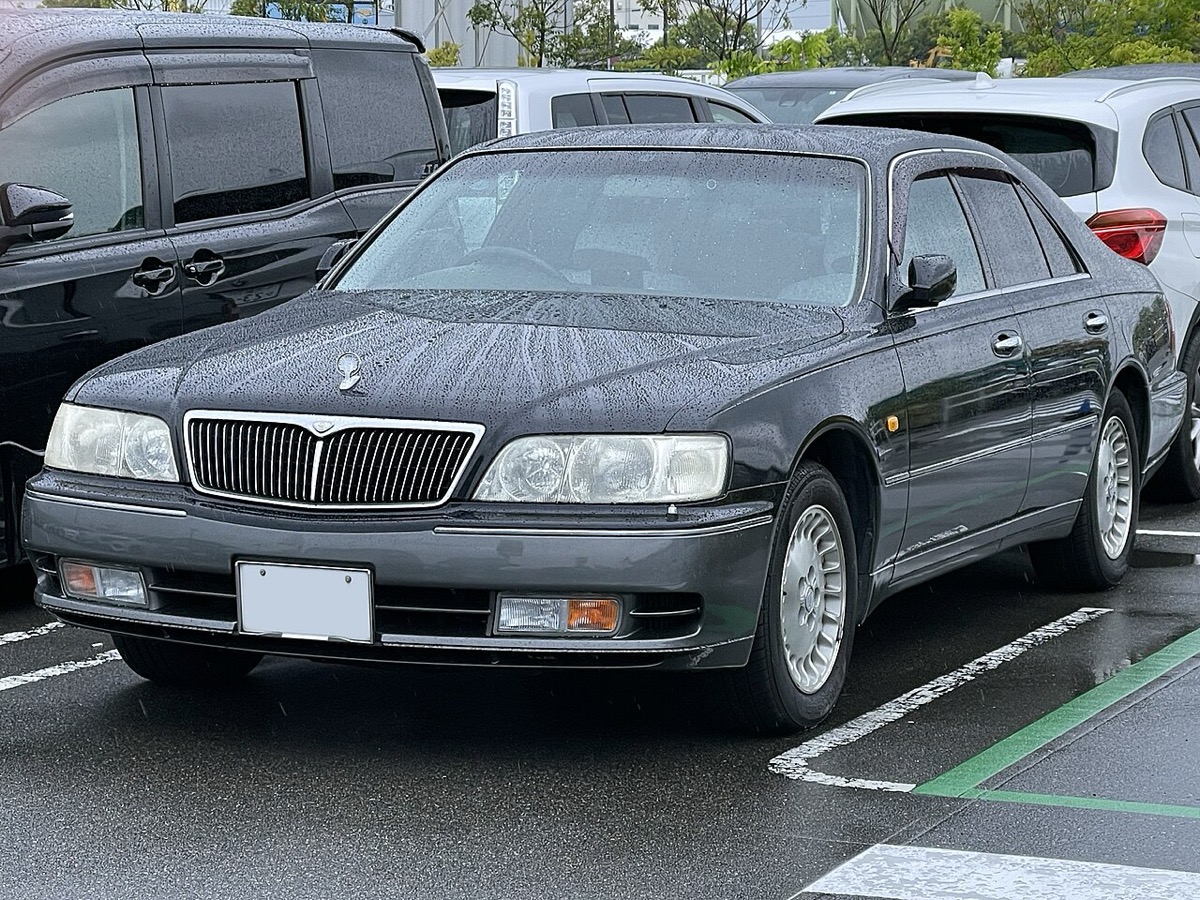 Nissan Cima Y32 & Y33 for Sale in Japan: Prices & Guide (2026)
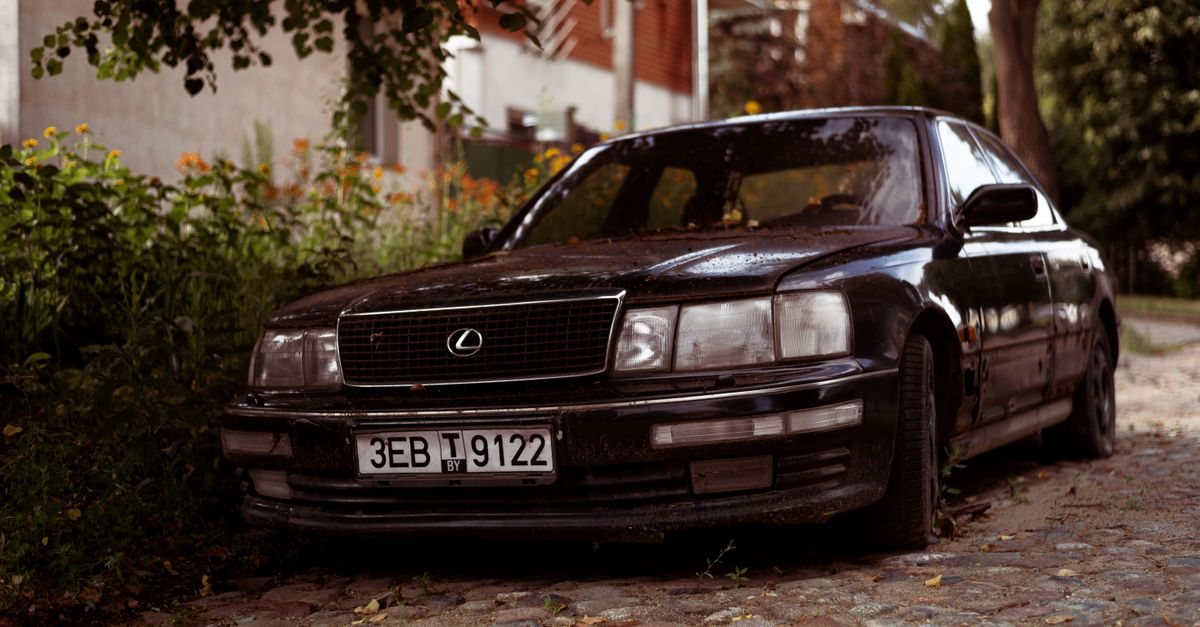 Toyota Celsior UCF10/20/30 for Sale in Japan: Prices & Guide (2026)
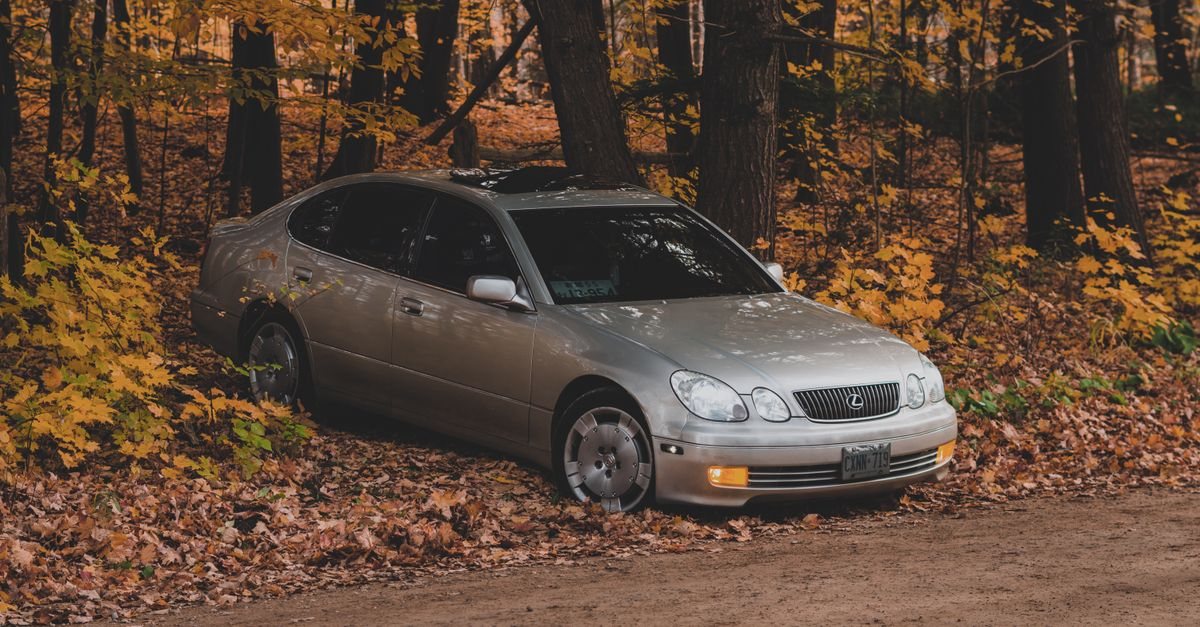 Toyota Aristo JZS161 & JZS147 for Sale in Japan: Prices & Guide (2026)
 Mitsubishi Pajero for Sale in Japan: Prices & How to Buy (2026)