
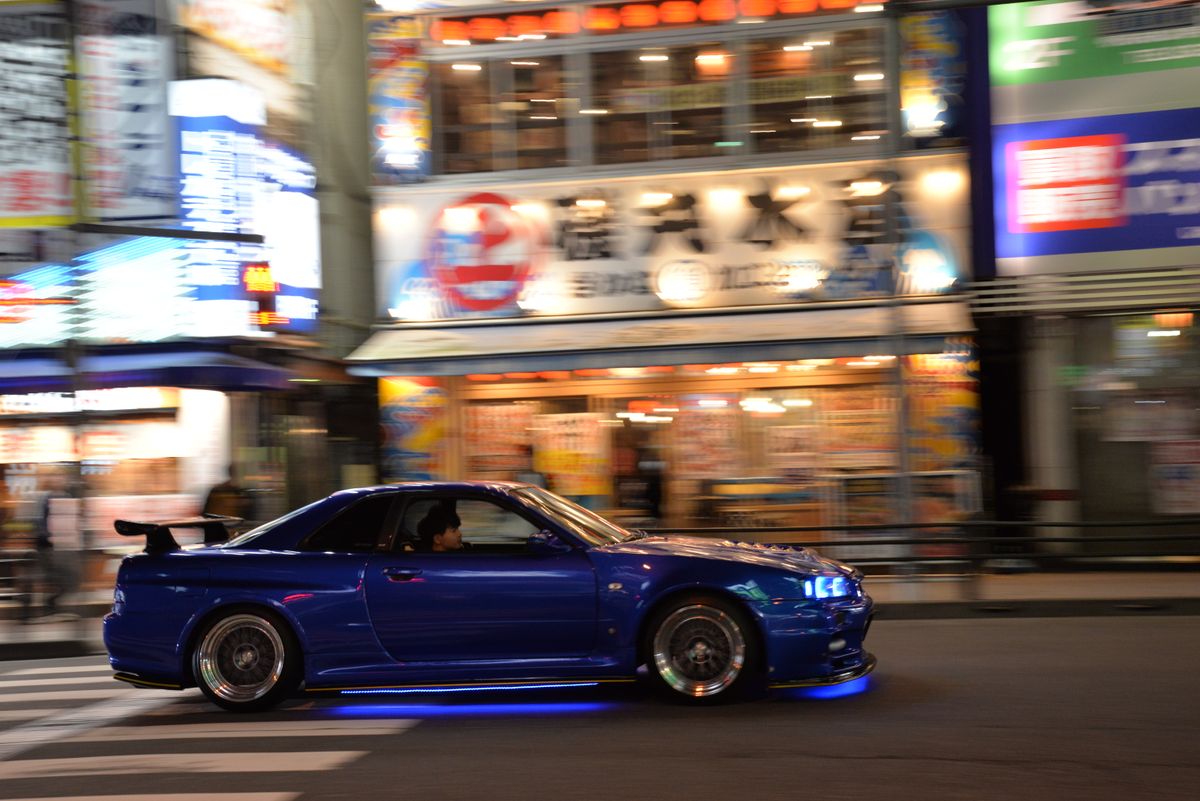
Nissan 180SX for Sale in Japan: Prices & How to Buy One (2026)
The Rundown
- Census, not sample: all 85 priced 180SX listings on Goo-net (checked Aug 12, 2026) give a median of ¥3.75M, middle 50% ¥3.19M–4.34M.
- That puts the 180SX above the S15 (¥3.66M median) and just under the S13 coupe (¥3.80M) — the hatch is no longer the cheap S-chassis.
- Kouki Type X is the halo grade; the Type R shares its full 205 PS SR20DET package without the aero, and the NA Type S sits at the bottom.
- It shares the S13 platform with the Silvia, so suspension, driveline and SR20 parts supply is the best in the drift world.
- Production ended December 1998, so every 180SX ever built now clears the US 25-year rule.
Contents
You have watched enough Japanese tandem footage to know the silhouette: pop-up headlights, long hatch, usually mid-slide. Now you want one, and the English-language internet gives you two answers — “they’re cheap drift missiles” and “Type X money is insane” — with no numbers behind either. So we counted the actual market: we checked every 180SX listing on Goo-net, the portal Japanese buyers use, on August 12, 2026, and logged the vehicle price of all 85 priced cars (6 “price on request” listings excluded). This guide is built on that census.
180SX in the Japanese market — census of Aug 12, 2026
Live today, not last month
Every 180SX listed on Japan’s largest used-car site this morning, with prices in yen and dollars and a button that has us go and look at it: 180SXs for sale in Japan today. The month-by-month medians behind this guide: JP Drift Car Price Index. Parts for the car once it is yours: 180SX parts from Japan.
The car in two minutes
The 180SX (say it one-eighty-SX; in Japan it’s the wan-hachi) is the hatchback sister of the S13 Silvia — same S13 platform, front-engine rear-drive, but with retractable headlights and a liftgate. Nissan built it from March 1989 to December 1998, an unusually long run that outlived the S13 coupe itself.
| Phase | Years | Engine | Notes |
|---|---|---|---|
| Zenki (early) | 1989–1991 | CA18DET, 1.8L turbo | The “180” in the name = 1.8 litres |
| Chuki (mid) | 1991–1996 | SR20DET, 2.0L turbo, 205 PS | Facelift, bigger brakes, LSD |
| Kouki (late) | 1996–1998 | SR20DET 205 PS / SR20DE 140 PS | Type X / Type R / Type S grades |
Quick slang note, because every Japanese listing uses these words: zenki means early model, chuki mid, kouki late. The 1996 kouki update brought new bumpers, tail lights and the grade names that matter today: Type X (205 PS turbo with the full factory aero kit and its own wheels), Type R (same 205 PS mechanical package, minus the aero) and Type S (naturally aspirated SR20DE, 140 PS). Gearboxes are a 5-speed manual or 4-speed auto; kerb weight sits around 1,170–1,270 kg.
One spec-sheet detail with real drift relevance: the turbocharged cars could be optioned with Nissan’s Super HICAS four-wheel steering, while the NA Type S went without. Sounds like a bonus — in practice most drift builds lock or remove the rear-steer hardware for predictability, so a HICAS-equipped car is neither a prize nor a problem. Just know what you’re looking at when the rear subframe photos come through, because the eliminator kit is one of the most common modifications you’ll see.
What a 180SX costs in Japan right now
The census result, from all 85 priced cars nationwide:
| Metric | 180SX (Aug 2026) |
|---|---|
| Priced listings | 85 of 91 |
| Range | ¥1.78M – ¥13.67M |
| Median | ¥3.75M |
| Middle 50% (Q1–Q3) | ¥3.19M – ¥4.34M |
And against its S-chassis siblings, from the same census:
| Chassis | Median |
|---|---|
| S13 Silvia | ¥3.80M |
| 180SX | ¥3.75M |
| S15 Silvia | ¥3.66M |
| S14 Silvia | ¥2.88M |
Two things jump out. First, the 180SX now asks more than the S15 — a car a full decade newer. Second, it undercuts the S13 coupe only slightly. The era of the 180SX as the budget way into an S-chassis is over; that role now belongs to the S14.
Grade-by-grade medians aren’t split out in our census, but the shape of the market is consistent: Type X cars occupy the expensive end of the range, tidy Type R and chuki turbo cars trade through the broad middle, and the sub-¥3.19M quartile is where you find NA Type S cars, high-mileage examples and retired dorisha (drift cars) wearing their history. Above that the tail thins out fast: one listing asks ¥13.67M and the next highest car in the whole country asks little more than half of that, so the top of the range is a single outlier rather than a price band you can plan against.
Every table above is the archived count of 12 August 2026. The distribution chart below is the one element re-drawn with each monthly census, so it carries a later date and slightly different figures (180SX median ¥3.72M from 83 priced cars on 21 August). Read the date in its caption before you compare the two.
Why the S13 connection is the real buying argument
The 180SX shares its platform, driveline layout and most of its running gear with the S13 Silvia, and the SR20DET went on to power the S14 and S15 too. In practice that means the deepest parts ecosystem in drifting: suspension arms, knuckles, differentials, gearbox parts, and thirty years of aftermarket catalogues all cross over. Japan’s scene even celebrates the overlap — the Sileighty (Sil80), a 180SX wearing a Silvia front end, became famous enough that Nissan briefly sold it as a factory model. For a first import, this matters more than any spec-sheet number: nothing on a 180SX is hard to fix.
Buying from abroad: what needs checking
These cars are 28 to 37 years old and most have been sideways. The known weak points: rust around the hatch surround, sunroof and rear arches; crash repairs at both ends from drift life; tired turbos that smoke on cold start; and welded differentials or stripped interiors that reveal a hard-used dorisha even when the ad doesn’t say so.
None of that shows in six listing photos — and it doesn’t need to. The way this works from overseas is simple: the car gets inspected where it sits, and you get the full walkthrough on video — underside, chassis rails, strut towers, engine bay, a cold start from stone cold — before any money moves. Judge the car on evidence, not on the seller’s framing.
Six listing photos cannot show you a 28-year-old drift car
Hatch-surround rust, repaired corners and a turbo that only smokes when stone cold are the three things a Japanese listing never shows. We are in Japan: we go and see the car, film the underside, the chassis rails and a cold start, and send it to you before anything is paid. Find and export a 180SX with us.
The hatch is not the cheap option any more
At a ¥3.75M median the 180SX sits above both the S15 and the S14. If budget is the deciding factor, the S14 at ¥2.88M is the S-chassis that still undercuts the field — the grades, the weak points and the same census numbers are in our S14 buyer's guide.
The 25-year rule: the whole run is eligible
The US exempts vehicles 25 years or older from FMVSS compliance, which is what makes JDM imports possible at all. Because 180SX production ended in December 1998, even the very last kouki cars passed the 25-year line in late 2023. In 2026, every 180SX ever built is US-eligible — including the Type X, which is exactly why its price has been pulled upward. Other markets run their own age-based schemes with different thresholds, so check your country’s rules before committing: we set the main ones side by side in our 25-year rule guide for drift cars.
Eligibility only matters if the car stays fixable, and that is the quieter half of the argument for this chassis: support keeps being renewed rather than run down. Ahead of Tokyo Auto Salon 2026, HKS previewed a new refresh part for the SR20DET — the engine every chuki and kouki 180SX runs — describing it as still in development at the time of posting.
"Tokyo Auto Salon 2026 news: SR20DET | Crank Angle Sensor Conversion Kit (in development). We are currently developing a 'Crank Angle Sensor Conversion Kit' — a refresh and tuning part for the hugely popular SR20DET."
🔥東京オートサロン2026情報🔥 SR20DET|クランク角センサーコンバージョンキット〈開発中〉 高い人気を誇る SR20DET に向けた、 リフレッシュ&チューニングパーツ 「クランク角センサーコンバージョンキット」 を現在開発中です🔥
View the original post ↗The takeaway: the 180SX is no longer a bargain, but it is still the most fixable, best-supported way to own pop-up headlights that were built to go sideways. Buy on condition, budget from the median, and let the video walkthrough — not the photos — make the final call.
Frequently asked questions
Is the Type X worth the premium over a Type R?
Mechanically they are the same 205 PS SR20DET kouki car. The Type X adds the factory aero — front lip, side skirts, rear spoiler and valence — plus its own wheels, and the market pays real money for that look. If you want the driving package rather than the poster bodywork, a clean Type R buys the same hardware for less.
Should I avoid the early CA18DET cars?
Not avoid — just buy them for what they are. The 1.8-litre turbo is the original engine the name '180' refers to, parts are thinner on the ground than SR20 parts, and most drift builds swap to SR20DET anyway. A tidy zenki makes sense as a keeper; as a pure drift tool the SR20 cars are the simpler path.
Are these the prices exporters will quote me?
No. This census of all 85 priced 180SX listings, taken on 12 August 2026, measures Japanese domestic retail: dealer-prepared cars with margin and often a warranty built in, giving a ¥3.75M median and a ¥3.19M to ¥4.34M middle 50%. Retail is the ceiling of the market. The same chassis also trades through dealer auctions and private deals inside the drift scene, without the showroom prep, and an export quote also has shipping and your own country's compliance costs on top. Use the ¥3.75M median as the reference line when judging any quote.
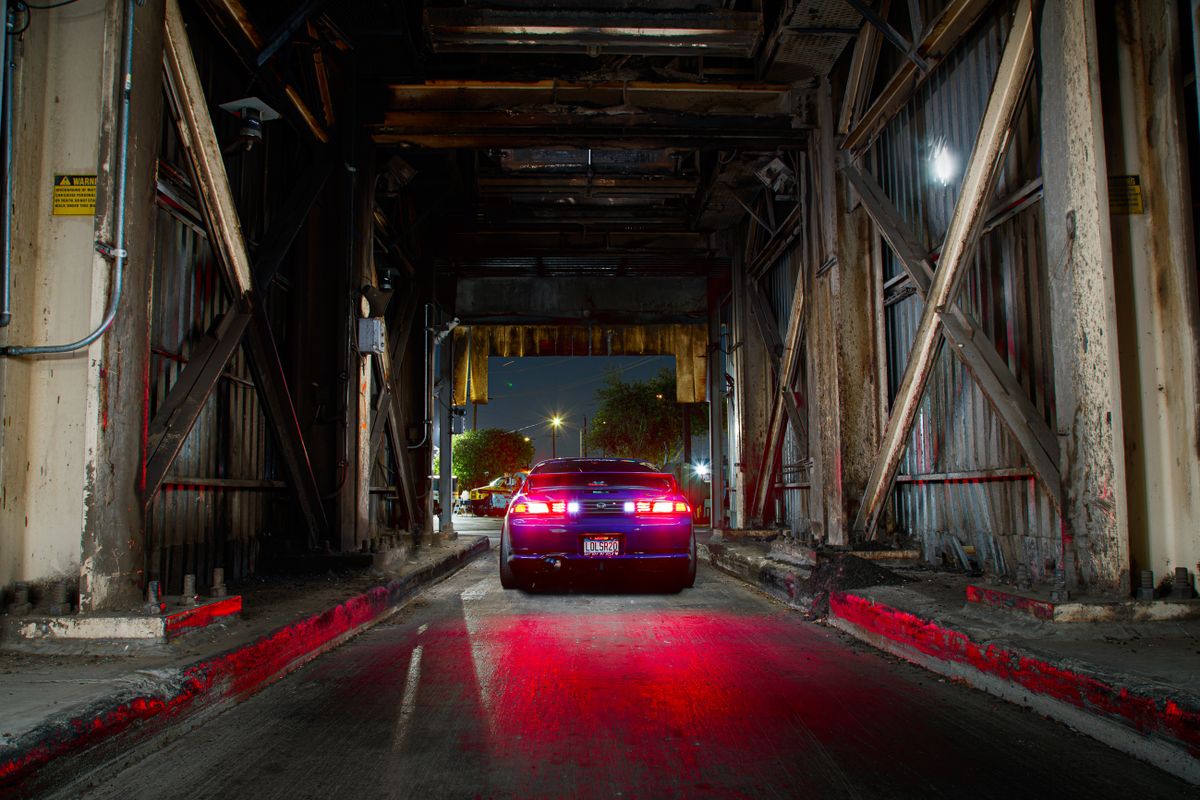 Nissan Silvia S13 for Sale in Japan: Prices & How to Buy One (2026)
 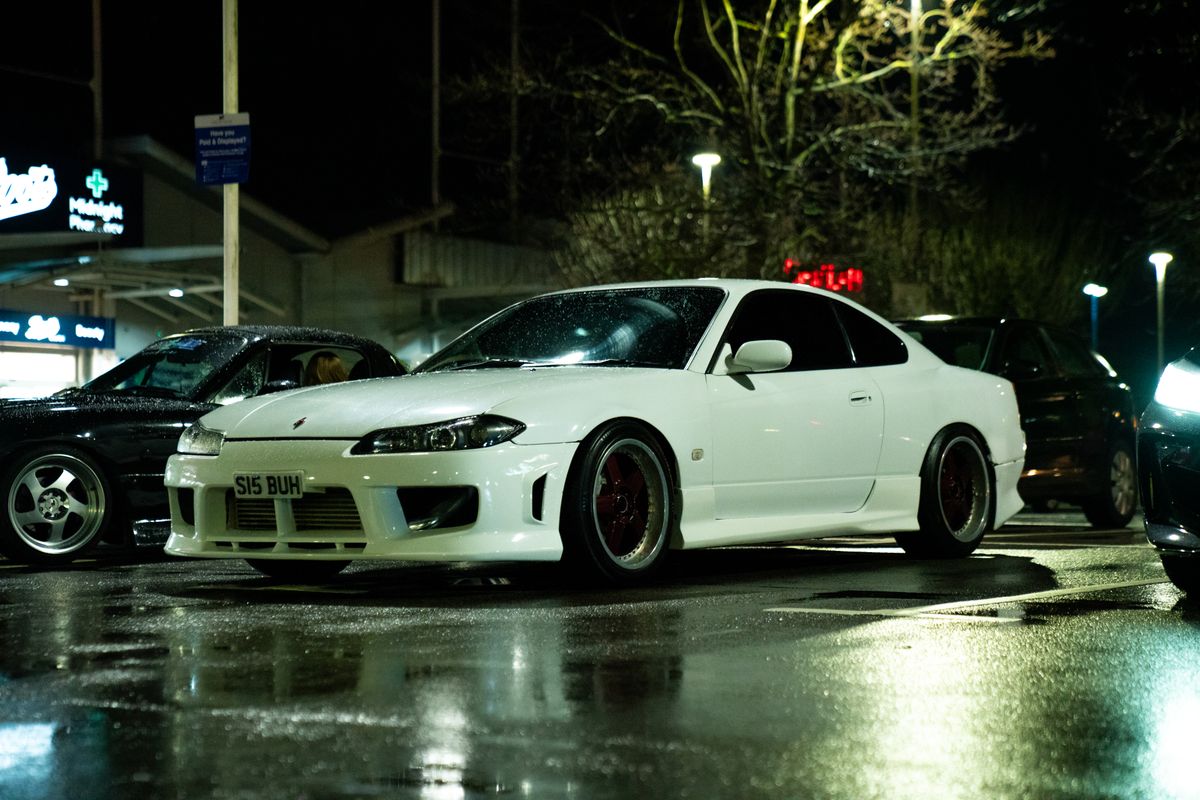 Nissan Silvia S15 for Sale in Japan: Prices & How to Buy One (2026)
 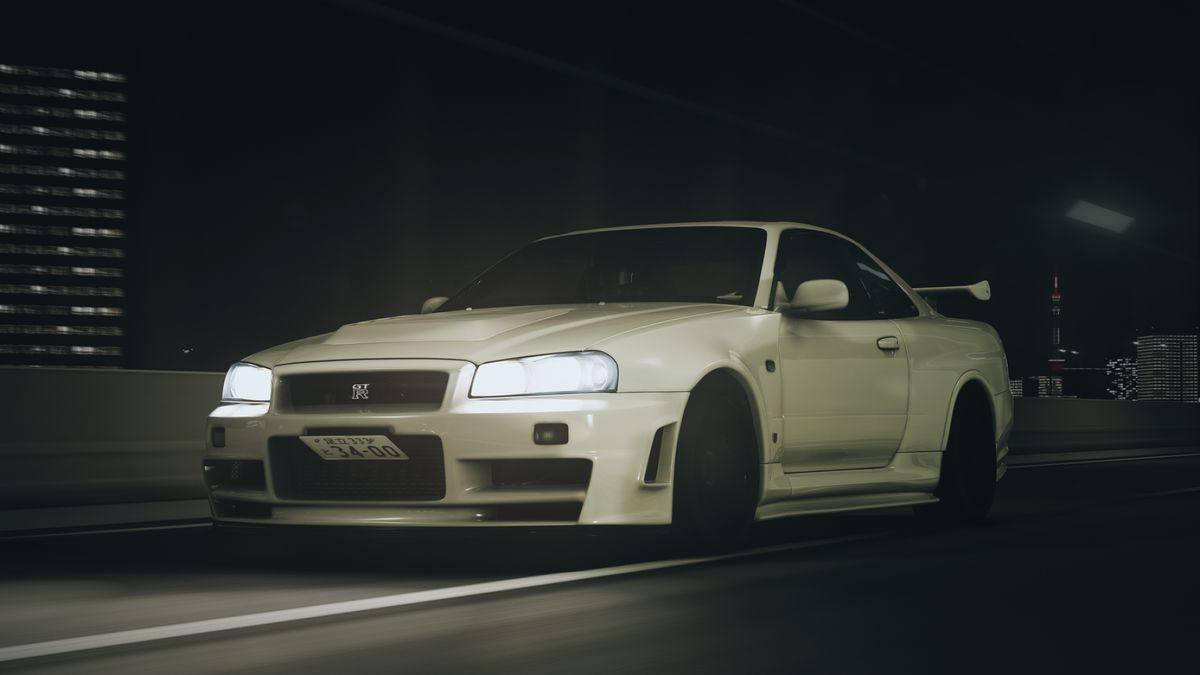 Nissan Silvia S14 Price in Japan (2026): Zenki vs Kouki & Import
  JP Market Check #1: What S13, S14 & S15 Cost in Japan (Jul 2026)