
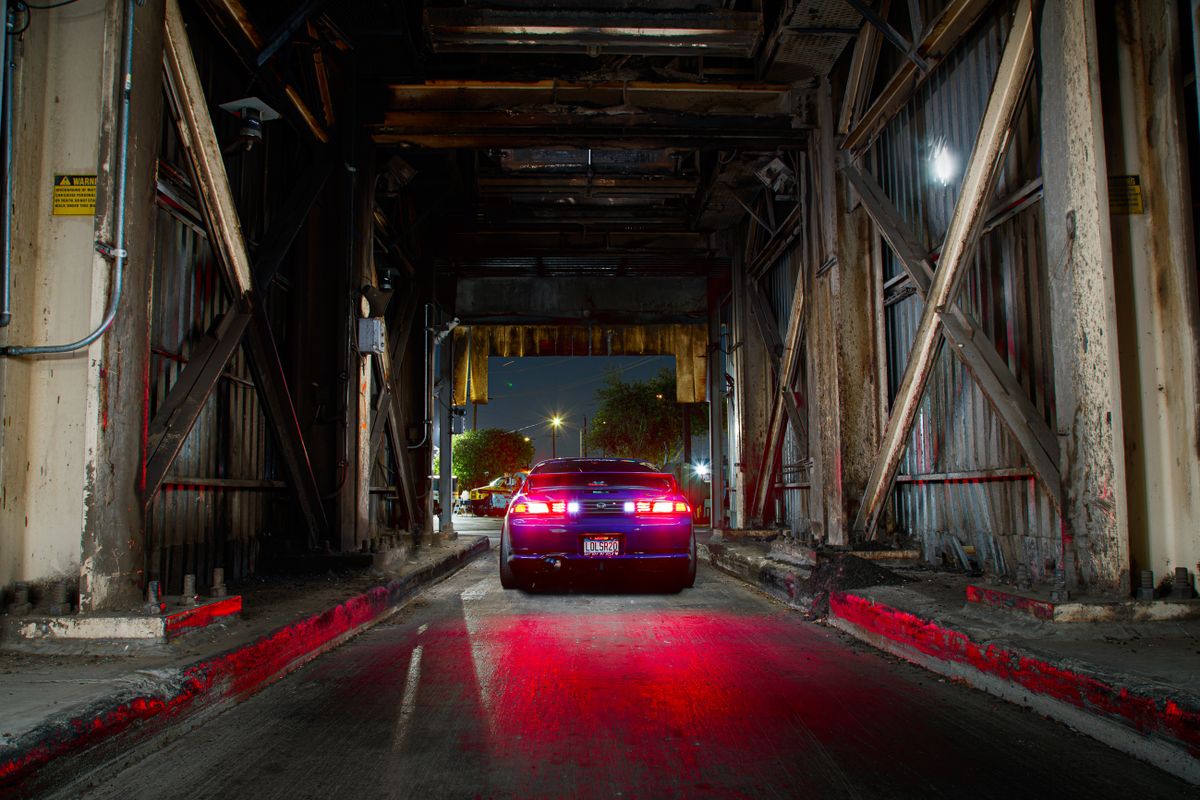
Nissan Silvia S13 for Sale in Japan: Prices & How to Buy One (2026)
The Rundown
- The S13 (1988–1993) is now the most expensive Silvia generation in Japan: median ¥3.80M across 49 priced listings, topping out at ¥9.99M.
- Two engine eras: CA18DE/CA18DET until the January 1991 update, SR20DE/SR20DET after. Grades are J's, Q's and K's — K's is the turbo.
- Every S13 ever built has cleared the US 25-year rule, so the whole market is open to American buyers with no cutoff anxiety.
- Half the market sits between ¥3.00M and ¥4.69M. Anything far below ¥3M deserves a full inspection walkthrough before money moves.
- Rust and drift damage decide S13 value more than mileage does — chassis rails, sills and rear arches are where the money hides.
Contents
The S13 is where most people’s Silvia story starts — the chassis that built drifting as we know it. It’s also the generation where buying from overseas goes wrong most often, because every surviving car is now over three decades old and the gap between a solid one and a money pit doesn’t show up in listing photos. This guide covers what the S13 actually is, what the Japanese market charges for one in 2026, and how to buy from outside Japan without gambling.
S13 in the Japanese market — census of Aug 12, 2026
Live today, not last month
Every S13 listed on Japan’s largest used-car site this morning, with prices in yen and dollars and a button that has us go and look at it: S13s for sale in Japan today. The month-by-month medians behind this guide: JP Drift Car Price Index. Parts for the car once it is yours: S13 parts from Japan.
What the S13 is: two engine eras, three grades
Nissan launched the S13 Silvia in May 1988 as a compact rear-drive coupe, and it immediately won Japan’s Good Design Award. Grades were named after playing cards: J’s (base), Q’s (mid), and K’s (the turbo flagship — the one drifters want).
The engine story splits the S13 market in two:
| Era | Years | Engines | Turbo output |
|---|---|---|---|
| Zenki/early CA | 1988 – Jan 1991 | CA18DE / CA18DET | 175 PS (CA18DET, 1.8L) |
| Late SR | Jan 1991 – 1993 | SR20DE / SR20DET | 205 PS (SR20DET, 2.0L) |
(Zenki is Japanese market slang for the early production phase of a model; kouki is the late phase.)
The January 1991 update replaced the 1.8-litre CA series with the 2.0-litre SR20 — the engine that would carry the Silvia name through the S14 and S15. Nissan’s official spec for the CA18DET K’s: 175 PS at 6,400 rpm, 1,120 kg curb weight, strut front and multilink rear suspension, with the HICAS-II four-wheel-steering system as an option. The SR20DET era brought the 205 PS rating most buyers associate with the chassis.
One sibling worth knowing: the 180SX (RS13) — the pop-up-headlight hatchback on the same platform — ran from 1989 all the way to 1998, five years past the coupe.
How much does a Nissan Silvia S13 cost in Japan?
A Nissan Silvia S13 costs ¥3.80M at the median on the Japanese retail market, with the middle half of the cars between ¥3.00M and ¥4.69M. The cheapest priced S13 in the country was ¥2.49M and the dearest ¥9.99M. Those figures are a census — every priced S13 listing on Goo-net, the portal Japanese buyers actually use, counted on August 12, 2026 (49 priced cars of 52 listed; “price on request” ads excluded). The model dates and import rules below were checked on the official pages on 11 September 2026; the prices are the August 2026 census and are not re-counted here.
| Metric | Price |
|---|---|
| Cheapest listed | ¥2.49M |
| Lower quartile (Q1) | ¥3.00M |
| Median | ¥3.80M |
| Upper quartile (Q3) | ¥4.69M |
| Most expensive | ¥9.99M |
Three things stand out.
The S13 is now the premium Silvia. Its ¥3.80M median sits about ¥1M over the S14 (¥2.88M) and above even the S15 (¥3.66M). The oldest S-chassis has quietly become the priciest one — age has thinned supply, and clean survivors get priced like the collectibles they’re becoming.
The floor is high. The cheapest priced S13 in the entire country was ¥2.49M. There is no “cheap S13” tier left in Japanese retail; thirteen of the 49 cars sat under ¥3M, and that’s as budget as this market gets.
The ceiling is real. Six cars asked over ¥5M, topping out at ¥9.99M. That end of the market is low-mileage, unmodified, documented cars — bought to keep, not to slide.
Full context across all Silvia generations, the 180SX, AE86 and JZX chassis is in our July 2026 Market Check.
What actually decides an S13’s value
Mileage matters less on this chassis than almost any car you’ve shopped. What matters:
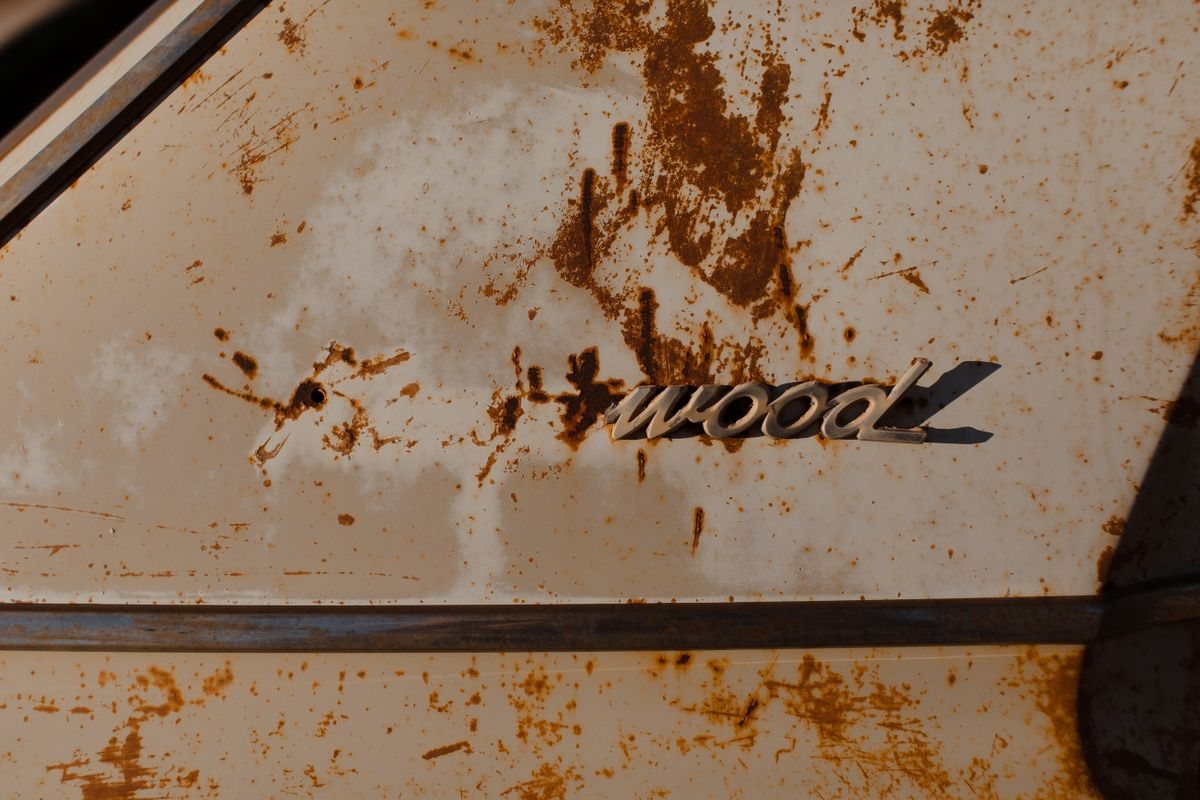
- Rust. Sills, rear arches, trunk floor, strut towers, and the chassis rails. A 1990 coupe that lived near the coast can be structurally worse than one with double the kilometres from a dry prefecture.
- Drift history. Many S13s have lived hard. Look for rippled chassis rails, mismatched panel gaps, and quick resprays over pulled quarters. A drifted S13 isn’t automatically a bad buy — but it should be priced like one, not like a preserved example.
- Engine originality. CA-to-SR swaps are everywhere. A swap done well is fine for a build car; it kills value on a keeper. Verify what’s actually in the bay against what the chassis left the factory with.
- HICAS. Many cars have had the four-wheel steering removed or locked out — common in drift builds, worth knowing about either way.
Here’s the honest problem: none of this is visible in an ad, and flying to Japan to check candidate cars yourself isn’t realistic. Nor is the cheaper half of the market even visible from abroad. Goo-net is the dealer tier; most S13s change hands through Japan’s trade auctions and inside the drift community, and a bidding account there needs a Japanese company or a Japanese address and guarantors — not something an overseas buyer can assemble from home.
The auction account is the wall — we are on the other side of it
We bid in the Japanese trade auctions and the drift-community private market for you, and before anything is committed we send the walkthrough: underside, chassis rails, engine bay, cold start, the parts a listing would crop out. Tell us the engine era and the condition you want and we'll work an S13 up from Japanese auction and private stock, with the inspection video and one all-in figure before you decide.
Budget for parts as well as purchase. Thirty-plus-year-old S13 trim, lights and interior pieces are long out of production and mostly live on Japanese domestic listings rather than in export catalogues — our guide to buying JDM drift parts from Japan covers what a proxy can and cannot get out of the country. If the ¥3M floor is the problem rather than the car, the S14 costs about ¥1M less for the same running gear.
Importing: the 25-year rule is fully on your side
For US buyers, the S13 is the simple case. Production ran 1988–1993, so every S13 ever built has cleared the 25-year rule — importable exempt from FMVSS and EPA conformity requirements, any model year, no waiting. Canada’s 15-year rule cleared the chassis two decades ago. Australian and European buyers deal with their own schemes (SEVS, national historic registration), but age is not the obstacle for this car anywhere.
That simplicity is part of why the S13 costs what it does: the entire market is open to the entire world, and the world has been buying.
Rust and drift history outrank the odometer
On a car this old, mileage tells you far less than the chassis rails, sills and rear arches do. Anything priced well under the ¥3.00M lower quartile deserves a full underside walkthrough before money moves.
Where that leaves you
Set your budget against the census bands, not against the one cheap car you saw on an exporter’s site. A realistic, honest S13 purchase in 2026 lives in the ¥3.00–4.69M middle of the market; below that you’re either finding genuine value or inheriting someone’s problems — and the only way to know which is a proper inspection before the money moves. Retail listings are also the ceiling of this market, not the floor: the same chassis trade below these numbers at auction and inside the drift community, where dealer prep isn’t part of the price.
Frequently asked questions
What years was the S13 Silvia made?
Nissan introduced the fifth-generation Silvia (S13) on 17 May 1988, and it ran until the sixth-generation S14 took over in 1993 — so S13 model years are 1988 to 1993. The date that matters when you shop is the minor change of January 1991, which replaced the 1.8-litre CA18DE/CA18DET with the 2.0-litre SR20DE/SR20DET. Both dates come from Nissan's own heritage record, not from forum lore.
When was the Nissan Silvia S13 released?
Nissan's own heritage record states that the fifth-generation Silvia (S13) "was introduced on May 17, 1988". It stayed in production until the S14 replaced it in 1993, with one major change along the way: the minor update of January 1991 that swapped the 1.8-litre CA18DE/CA18DET for the 2.0-litre SR20DE/SR20DET. As of 11 September 2026 that launch date is still the wording on Nissan's official Heritage Collection page for the Silvia K's.
Is the 180SX the same generation as the S13?
Same platform, different chassis code, much longer life. Nissan's heritage record has the 180SX hatchback (RS13) arriving in 1989 and staying in production until 1998 — five years after the Silvia coupe ended. That is why the newest 180SX cars on the Japanese market are years younger than any S13 coupe, even though the two share a chassis and price close to each other.
Is the CA18DET or SR20DET S13 the better buy?
The SR20DET (post-January 1991) makes more power, has far deeper aftermarket support, and is what most drift builds want. The CA18DET era is earlier, rarer, and increasingly bought for originality rather than as a base car. If you plan to modify, SR20 is the pragmatic answer; if you want a preserved late-80s coupe, a clean CA18 car has its own appeal.
Why are S13s more expensive than S14s and S15s now?
Age has thinned the herd. Production ended in 1993, so every survivor is 33+ years old, and clean unmodified examples are genuinely scarce. Our August 2026 census puts the S13 median at ¥3.80M — about ¥1M over the S14 and slightly above the S15 — with the best cars asking up to ¥9.99M.
Can I import an S13 to the United States?
Yes — every S13 is now over 25 years old, so any of them can enter the US exempt from FMVSS and EPA conformity under the 25-year rule. Canada's 15-year rule cleared the S13 long ago. No model-year cutoff games apply to this chassis anymore.
Should I buy the coupe or the 180SX hatch?
Mechanically they are siblings on the same platform, and the market prices them close together — our census puts the 180SX median at ¥3.75M versus ¥3.80M for the Silvia coupe. It mostly comes down to body preference; the 180SX also stayed in production until 1998, so later, fresher examples exist.
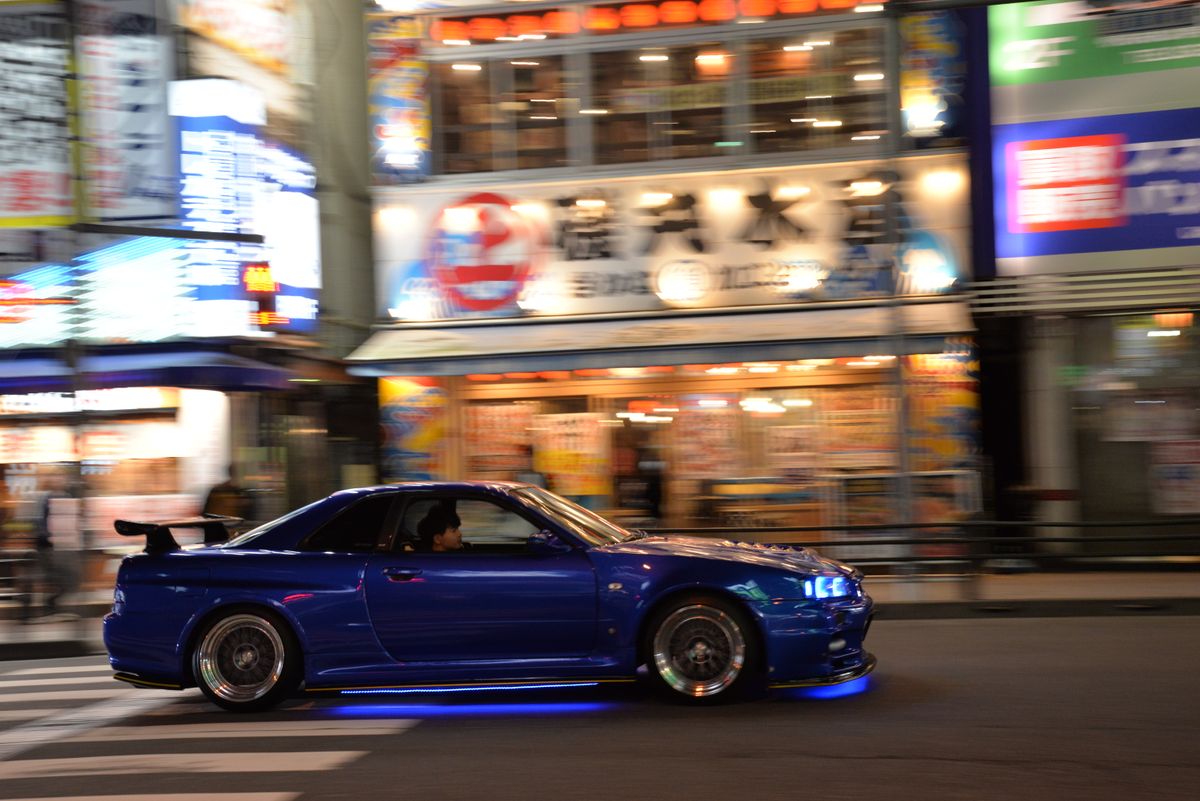 Nissan 180SX for Sale in Japan: Prices & How to Buy One (2026)
 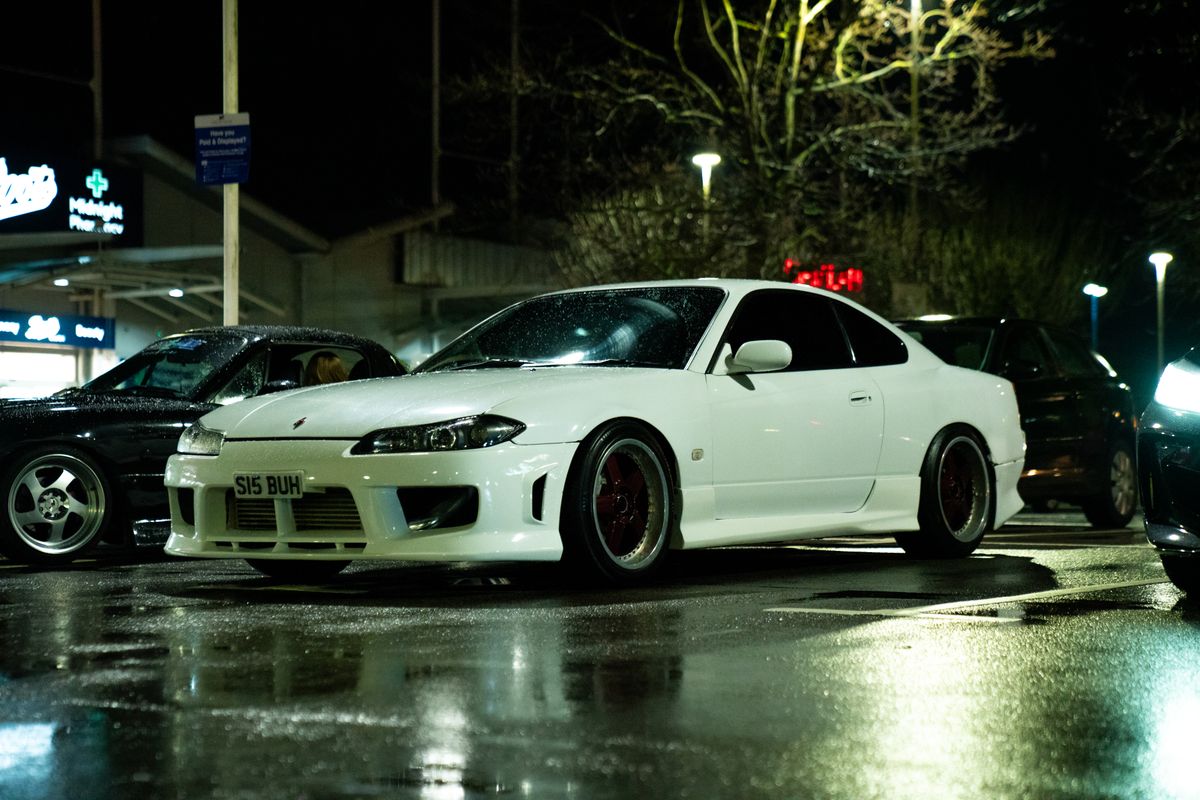 Nissan Silvia S15 for Sale in Japan: Prices & How to Buy One (2026)
  Nissan Silvia S14 Price in Japan (2026): Zenki vs Kouki & Import
  JP Market Check #1: What S13, S14 & S15 Cost in Japan (Jul 2026)