
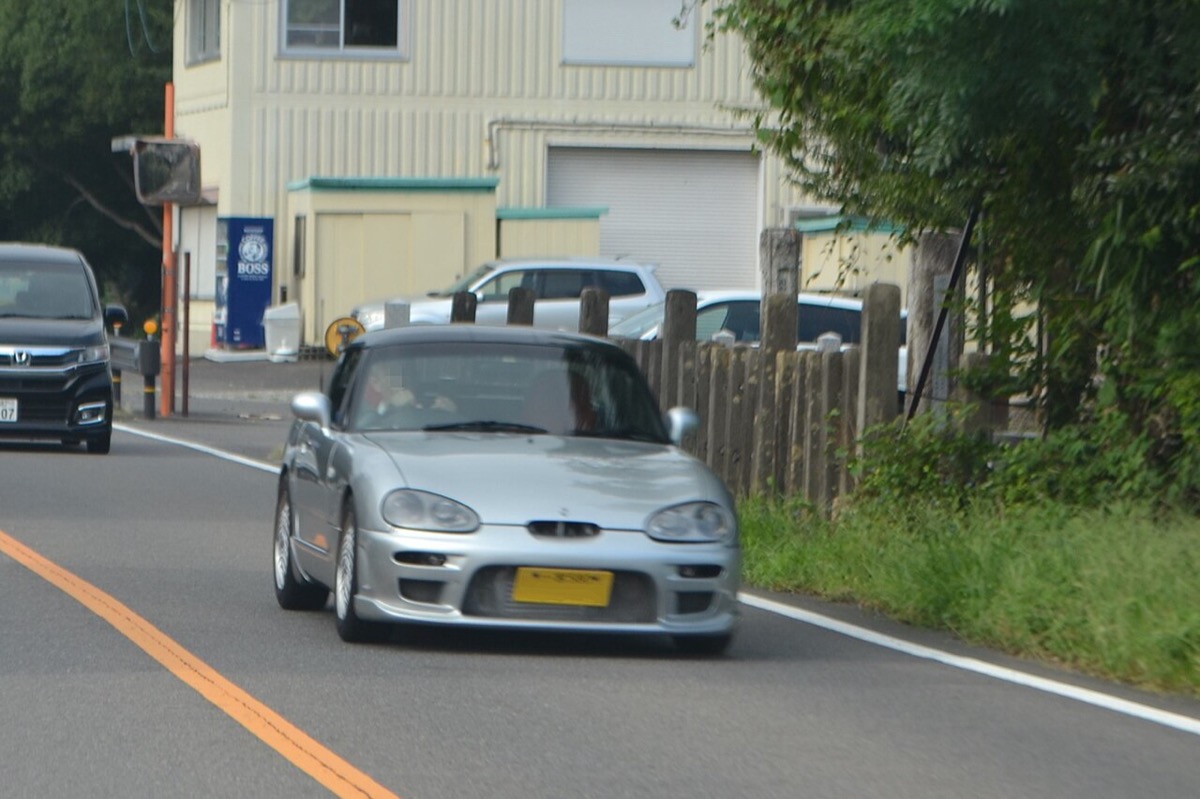
Suzuki Cappuccino (EA11R/EA21R) for Sale in Japan: Prices (2026)
The Rundown
- Goo-net listed 116 Suzuki Cappuccinos for sale in Japan on 11 November 2026, the day of our listings check.
- The five newest of those listings, posted between 4 and 10 November 2026, asked from ¥609,000 (about $3,800) for a 1995 car with 159,000 km to ¥1,998,000 (about $12,500) for a 1996 car with 80,000 km, body price only.
- Suzuki's own corporate timeline records the Cappuccino going on sale in November 1991. The EA11R uses the F6A engine (657 cc, 64 PS); the EA21R from May 1995 uses the K6A (658 cc, 64 PS, more torque lower down).
- Every Cappuccino built from 1991 to 1997 is two-seat, front-engined, rear-drive and turbocharged, with a three-piece removable roof that converts from closed to T-bar, targa or fully open.
- Every Cappuccino is past the US 25-year line and Canada's 15-year line in November 2026 (rules checked on the official pages on 11 November 2026).
Contents
Suzuki Cappuccino in the Japanese market at a glance
A Suzuki Cappuccino (EA11R or EA21R) costs roughly ¥600,000 to ¥2,000,000 at Japanese dealer retail right now. On 11 November 2026, Goo-net listed 116 Cappuccinos for sale, and the five newest listings asked from ¥609,000 (about $3,800) to ¥1,998,000 (about $12,500), body price only, before export and shipping. Suzuki’s launch date and the US and Canadian import rules below were checked on the official pages on 11 November 2026.
The Cappuccino is a kei car: a Japanese micro-car class with a 660 cc engine limit. Suzuki built it as a two-seat, front-engined, rear-drive turbo roadster with a roof you take apart in three pieces. It is the natural rival to Honda’s mid-engined Beat, which has its own Honda Beat buyer’s guide. Every Cappuccino is past the US and Canadian import lines, so the work is in choosing the right car.
How much is a Suzuki Cappuccino in Japan right now?
We check the Cappuccino listings on Goo-net, Japan’s large used-car site, every morning. On 11 November 2026 the listing showed 116 cars. The five most recently posted, between 4 and 10 November, looked like this:
| Listed | Year and mileage | Asking price (body only) | Roughly in US dollars | What the listing says |
|---|---|---|---|---|
| 10 Nov | 1997, 82,000 km | ¥1,865,000 | $11,700 | Late model, K6A, TE37 wheels, coilovers, intake and exhaust, intercooler piping, serviced by a Cappuccino specialist |
| 8 Nov | 1992, 119,000 km | ¥1,780,000 | $11,100 | Suzuki Sport ECU, sports exhaust, strut brace, KYB suspension, new tyres, full timing belt kit new, service records |
| 8 Nov | 1995, 159,000 km | ¥609,000 | $3,800 | Coilovers, timing belt change sticker, MOMO wheel. Repair history: yes |
| 7 Nov | 1996, 88,000 km | ¥1,898,000 | $11,900 | Late model, K6A turbo, full repaint in the same colour, aftermarket air filter |
| 4 Nov | 1996, 80,000 km | ¥1,998,000 | $12,500 | Late model, Suzuki Sport ECU, full repaint in the same colour, coilovers, exhaust, new 175/60R14 tyres |
Dollar figures use ¥160 to the dollar. All five are 5-speed manuals. Details are what each listing title and spec table say. Five cars are a snapshot, not a market average, but they already show the pattern: the cheapest car is the one with declared repair history, and the year matters less than condition and what has been done to the car.
For a live look, the newest Cappuccinos listed in Japan this morning are on our daily listings page, and the Cappuccino sits next to the Beat, S2000 and NSX on our iconic JDM car prices page. Our monthly drift-chassis census is in JP Market Check #4.
Retail is the ceiling, not the floor. A dealer’s price includes reconditioning and a margin, and plenty of Cappuccinos change hands underneath it at Japan’s trade auctions and in private sales. We do not put a number on “below retail”, because it depends on the car in front of us that week.
EA11R or EA21R: which Cappuccino should you look for?
Suzuki’s corporate history records the Cappuccino going on sale in November 1991. The Carsensor catalogue splits production into two chassis codes: EA11R from October 1991 to April 1995, and EA21R from May 1995 to December 1997. Both are rated at 64 PS, which Goo-net’s catalogue calls the highest output in the kei class. The difference is the engine.
EA11R (1991–1995)
- F6A, 657 cc, three-cylinder, turbo
- 64 PS, 8.7 kg·m at 4,000 rpm
- 5-speed manual only
- 700 kg
EA21R (1995–1997)
- K6A, 658 cc, three-cylinder, turbo
- 64 PS, 10.5 kg·m at 3,500 rpm
- 5-speed manual or 3-speed automatic
- 690 kg with the manual
Engine codes, power, torque and weights come from Carsensor’s catalogue pages; the automatic option and the prices below come from Goo-net’s catalogue. Listings call the EA21R the late model (後期, kouki), which is why several titles in the table say “late model” and “K6A”.
| Suzuki Cappuccino | From the Goo-net catalogue |
|---|---|
| Layout | Front engine, rear drive, two seats |
| Roof | Three-piece detachable top: closed, T-bar, targa or fully open |
| Suspension | Double wishbones at all four corners |
| Size | 3,295 mm long, 1,395 mm wide, 1,185 mm high |
| Launch price, Nov 1991 | ¥1,458,000 |
| Limited edition | From June 1993 at ¥1,498,000, in Deep Blue Pearl; Mercury Silver Metallic added in September 1994 |
| EA21R price, May 1995 | ¥1,458,000 manual, ¥1,586,000 automatic |
Suzuki’s own production total and end date are not officially stated on the pages we read; the December 1997 end comes from Carsensor.
Check that the engine matches the chassis code on the papers: F6A for an EA11R, K6A for an EA21R. If it does not, you want to know why before you pay, and it matters for US import below.
What should you check on a 30-year-old Cappuccino?
The youngest Cappuccino is about 29 years old and the oldest are 35. The listing titles show what Japanese sellers expect buyers to ask about:
- The timing belt. Titles on the earlier cars often say the belt or the full belt kit is new (Tベル一式新品), or that a change sticker is on the car. Ask for the receipt and the mileage at the change.
- Stock or modified. Four of the five newest cars carry coilovers, an aftermarket ECU or exhaust. A modified car can be well looked after, but it is a different purchase from a stock one with records.
- Repaints and repair history. Two of the five say they have been fully repainted (全塗装). Goo-net shows a repair-history field (修復歴), and the cheapest car in the table says “yes”. That is not a reason to walk away, but it is a reason to look underneath.
- The roof. The three-piece top only works if all the panels and their seals are there. Check that the listing photos show the roof pieces, not just the car with the top off.
You cannot judge any of this from listing photos, and you do not have to fly to Japan to do it. We inspect the car on the ground in Japan and send you a video and photo walk-through: the underside, the frame and floors, the engine bay, the roof panels and a cold start. You decide after you have seen it. If the car is at auction, our guide to reading a Japanese auction sheet explains the grades and repair marks.
Can you import a Suzuki Cappuccino to the US or Canada?
Yes, both, on age alone.
| Country | Rule (official page, read 11 Nov 2026) | What it means for a Cappuccino |
|---|---|---|
| United States | Vehicles under 25 years old must generally meet all US safety standards | Production ran from 1991 to December 1997, so every car is past the line in November 2026 |
| Canada | Vehicles over 15 years old are not regulated at import under the Motor Vehicle Safety Act | Every Cappuccino qualifies |
United States. CBP’s importing page says motor vehicles less than 25 years old must, as a general rule, comply with all applicable US safety standards, and that the importer files DOT form HS-7 and EPA form 3520-1 at entry. The same page says registration in a state may depend on meeting that state’s requirements, so ask your state’s DMV about a 660 cc right-hand-drive car before you buy. The EPA side is separate: EPA’s page says its provision for vehicles over 21 years old expects an engine identical to the original, meaning the same model and configuration. On a Cappuccino that matters if the engine no longer matches the chassis code, so confirm the engine before the car leaves Japan and contact EPA’s Imports Hotline if anything has changed. The month-by-month rules are in our 25-year rule guide, and the US paperwork is in importing a drift car to the USA.
Canada. Transport Canada says vehicles older than 15 years are not regulated at import under the Motor Vehicle Safety Act, with age set by the month and year of manufacture. The same page warns that some provinces will not license right-hand-drive vehicles, so check with your province first.
For Australia and the UK, see importing a drift car to Australia, the UK and Canada.
How do you buy a Cappuccino from Japan if you live abroad?
The whole route, from deposit to your port, is in our step-by-step import process guide. For a Cappuccino it looks like this:
Step 4 is where a buyer abroad gets stuck. Export deregistration is done in Japan with the owner’s documents, and you cannot finish the Japanese side yourself from overseas; our export deregistration guide explains why. Step 2 has a similar wall: membership of Japan’s dealer auctions needs a Japanese used-vehicle dealer licence, and many Cappuccinos change hands there or in private sales that never reach a listing site.
That is the part we take on for you
Have us find a Suzuki Cappuccino in Japan, film the walk-through and handle the export paperwork. Tell us EA11R or EA21R, stock or modified, and the condition you want; we search dealers, auctions and private sellers, send you candidates with underside, roof and cold-start footage, and quote one total, actual costs plus our fee, before anything is bought.
Weighing up other cars? Is importing a JDM car from Japan still worth it? puts the numbers side by side. If you are coming to Japan anyway, the circuit days we follow are on our drift calendar.
Frequently asked questions
How much does a Suzuki Cappuccino cost in Japan in 2026?
On 11 November 2026, Goo-net, Japan's large used-car listing site, showed 116 Suzuki Cappuccinos for sale. The five newest listings, posted between 4 and 10 November 2026, asked body prices from ¥609,000 (about $3,800 at ¥160 to the dollar) for a 1995 car with 159,000 km and declared repair history, to ¥1,998,000 (about $12,500) for a modified 1996 car with 80,000 km. These are Japanese dealer body prices before registration fees, export paperwork and shipping.
What is the difference between the Cappuccino EA11R and EA21R?
The EA11R is the original Suzuki Cappuccino, sold from November 1991, with the 657 cc F6A turbo three-cylinder rated at 64 PS and 8.7 kg·m at 4,000 rpm, 5-speed manual only, 700 kg. The EA21R arrived in May 1995 with the 658 cc K6A turbo three-cylinder, also 64 PS but 10.5 kg·m at 3,500 rpm, 690 kg with the 5-speed manual, and a 3-speed automatic option. Both are two-seat, rear-drive kei roadsters with the same three-piece removable roof. Figures are from the Carsensor and Goo-net catalogues as read on 11 November 2026.
Can I import a Suzuki Cappuccino to the United States?
Yes, on age. US Customs and Border Protection states that motor vehicles less than 25 years old must generally comply with all applicable US safety standards, and the importer files DOT form HS-7 and EPA form 3520-1. Suzuki put the Cappuccino on sale in Japan in November 1991 and the Carsensor catalogue shows production ending in December 1997, so as of 11 November 2026 every Cappuccino is more than 25 years old. The EPA expects a vehicle over 21 years old to keep an engine identical to the original, which matters if the engine has been changed, so check the engine before the car leaves Japan.
Can I import a Suzuki Cappuccino to Canada?
Yes. Transport Canada's page, read on 11 November 2026, says vehicles older than 15 years are not regulated at import under the Motor Vehicle Safety Act, with age set mainly by the month and year of manufacture. Every Suzuki Cappuccino was built between 1991 and 1997, so all are past 15 years. The same page warns that some provinces will not license right-hand-drive vehicles, and the Japanese-market Cappuccino is right-hand drive, so check with your province before you buy.
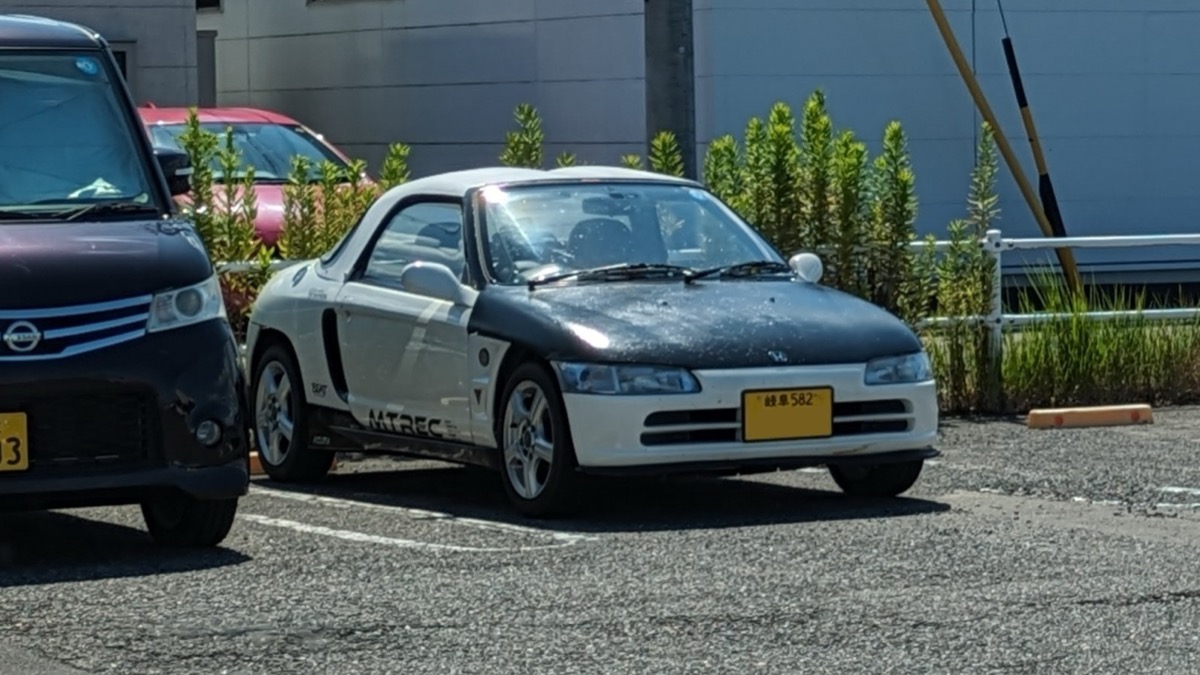 Honda Beat (PP1) for Sale in Japan: Prices & How to Buy (2026)
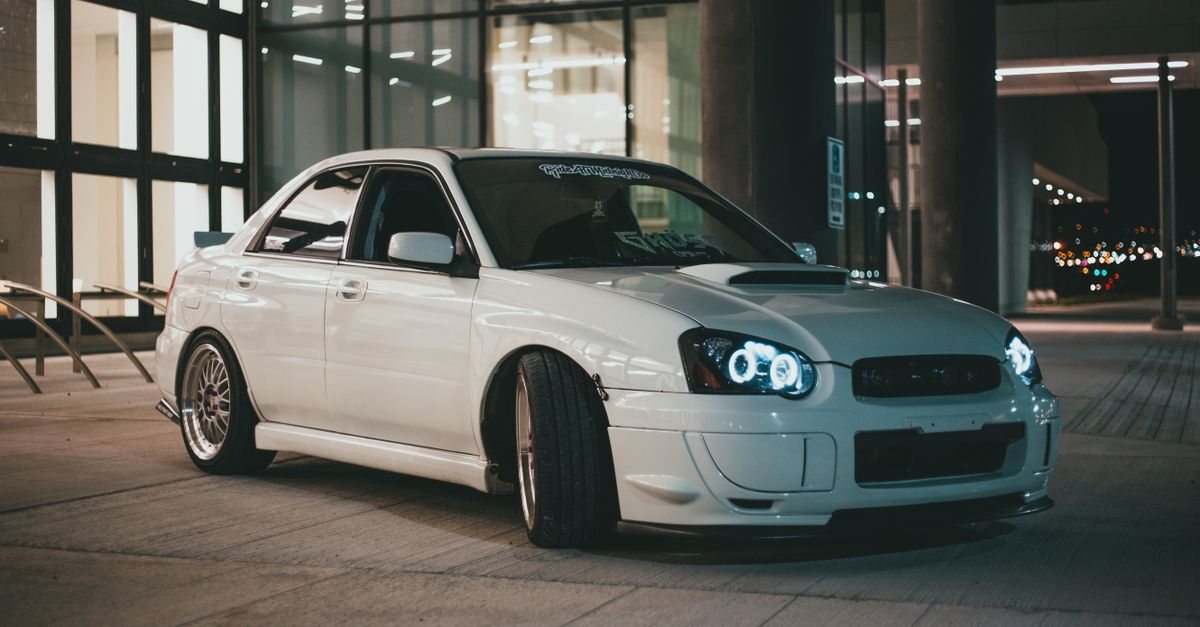 Subaru Impreza WRX STI (GC8/GDB) for Sale in Japan: Prices (2026)
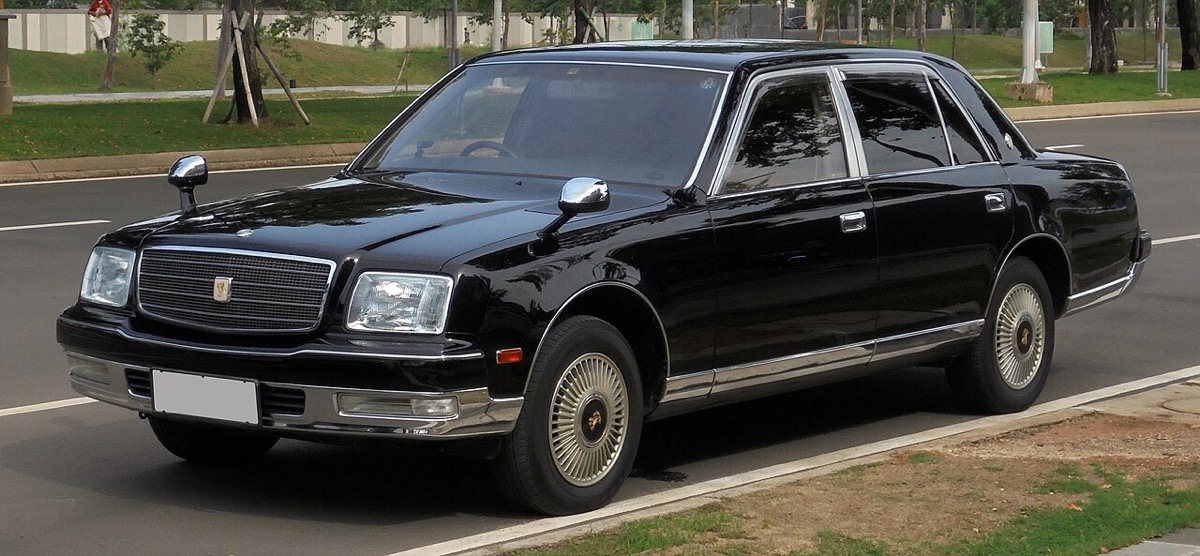 Toyota Century GZG50 V12 for Sale in Japan: Prices, How to Buy (2026)
 Mitsubishi Lancer Evolution for Sale in Japan: Prices & Import (2026)