Noise Limits, Kit and Car Rules at Japanese Drift Tracks (2026)
The Rundown
- The strictest published noise limit at a Japanese drift venue is 97 dB at Minami Chiba Circuit (Chiba); the loosest is the 120 dB guide figure at Ebisu Circuit (Fukushima). Nikko, Suzuka Twin and Tsukuruma all sit at 105 dB.
- Only 2 venues publish a measurement method: Suzuka Twin (70% of max revs for 5 seconds, meter 1 m behind the pipe at 45 degrees) and Bihoku (5,000 rpm, 2 m behind the muffler, 100 dB).
- A full-face or jet helmet, long sleeves, long trousers and closed shoes are the floor at all 9 venues that publish a kit list. Work gloves pass at Suzuka Twin but are refused at 4 others: YZ, Central, Tsukuruma and Fuji.
- Open cars need a roll bar at Ebisu, YZ (4-point or more), Fuji (4-point, higher than your helmet) and Mobara (3-point or more); a 2-point 'fashion bar' does not count at YZ.
- 5 venues ask for a hanko (personal seal) at the desk: Nikko, YZ, Meihan, Mobara and Fuji. Fuji's 2-hour licence course also requires foreign nationals to understand Japanese instruction or bring an interpreter.
Contents
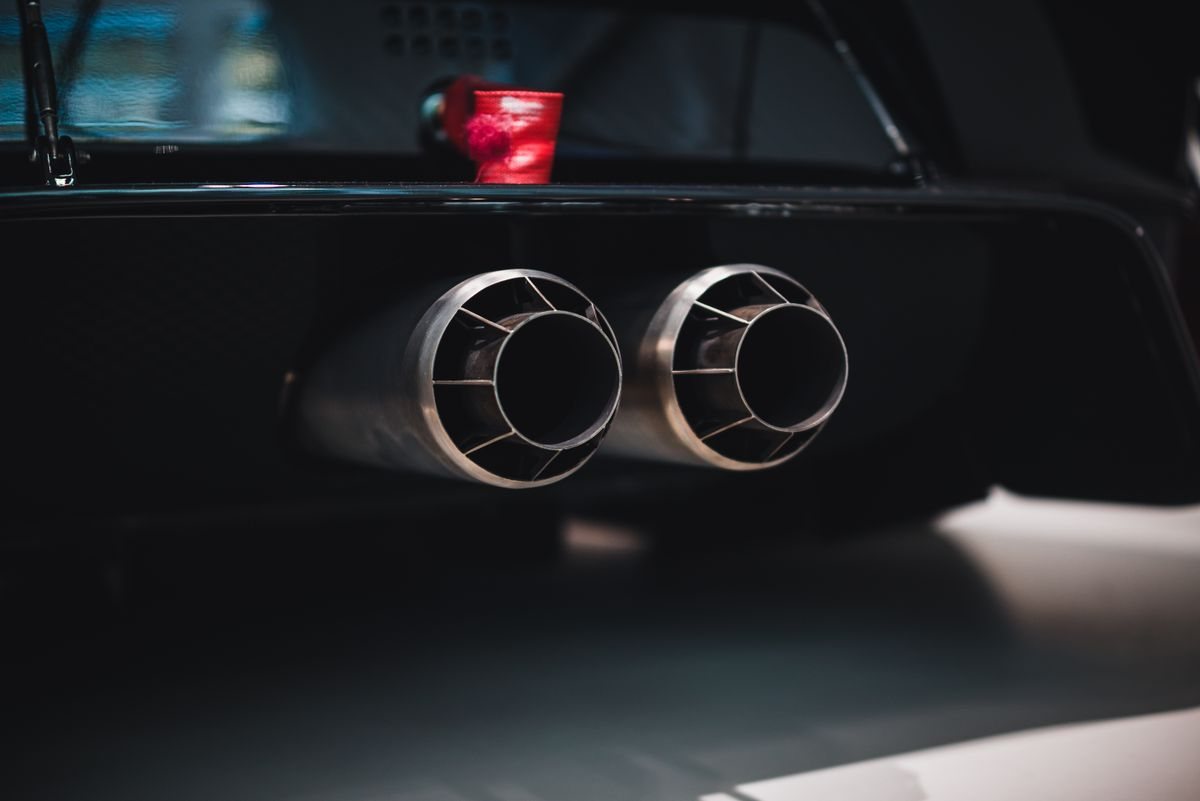
The car is what gets you sent home. To drift at a Japanese circuit in 2026 you need a full-face or jet helmet, long sleeves and trousers, closed shoes, gloves that cover your fingertips, your physical driving licence and — at Nikko, YZ, Meihan, Mobara and Fuji — a hanko (判子, a personal name seal). Your exhaust must read under the venue’s number, and that number runs from 97 dB at Minami Chiba Circuit (Chiba) to a 120 dB ceiling at Fuji Speedway Drift Park (Shizuoka) and Ebisu Circuit (Fukushima). Everything below was checked on the official pages on 4 September 2026.
None of it is on an English page. The rules live in Japanese, usually in a PDF or a FAQ two clicks from the home page, and the check happens at reception or the course-in gate on the morning you arrive. Our flags and etiquette guide covers how the day runs; this one is about the car and what is on you.
What is the noise limit at Japanese drift tracks?
There is no national figure. Each venue sets its own, and only two publish the method. The table holds the venues whose own pages state a number.
| Venue | Limit | How it is measured | Exhaust rule |
|---|---|---|---|
| Minami Chiba Circuit (Chiba) | 97 dB — “97 dB or higher cannot run” | Not published | Not published |
| Bihoku Highland Circuit (Okayama) | 100 dB | 2 m behind the muffler, at 5,000 rpm | Over = refused at the gate, not just on track |
| Motorsports Multi Field Okinawa | 100 dB | ”Engine noise from the muffler” — no method | Not published |
| Nikko Circuit (Tochigi) | 105 dB | From inside the paddock and from the judges’ box | Refused for after-fire or anti-lag even under 105 |
| Suzuka Twin Circuit (Mie) | 105 dB | Warm, neutral, 70% of max revs held 5 s then snapped shut; meter c. 1 m behind the pipe at 45°, same height | Straight pipe without a catalyst = no running |
| Tsukuruma Circuit Nasu (Tochigi) | 105 dB | While running, after-fire and backfire included | Bonnet-off running banned |
| Fuji Speedway Drift Park (Shizuoka) | 120 dB hard cap | Not published — “never exceed 120” | — |
| Ebisu Circuit (Fukushima) | 120 dB guide figure | Not published | Straight-through or “obviously loud” refused |
Not published as of 4 September 2026: Mobara Twin Circuit (Chiba), Meihan Sportsland (Nara), Motorland Mikawa (Aichi), YZ Circuit East (Gifu) and Central Circuit (Hyogo). Meihan’s use regulation defers to JAF and MFJ vehicle rules instead of printing a figure.
The number that catches turbo cars
Nikko puts it in writing: a car judged loud on after-fire or anti-lag is refused even when the meter reads under 105 dB, and Tsukuruma counts after-fire and backfire inside its 105. A big-turbo SR or 2JZ on a pop-and-bang map can pass a static test and still be pulled. Suzuka Twin checks whether you can fix it on the spot; if not, you fix it before your next visit, and repeat offenders are refused.
What do you have to wear?
The floor is the same everywhere a list is published: full-face or jet helmet, long sleeves, long trousers, closed shoes. Gloves are where venues split.
| Venue | Helmet | Gloves | Clothing and shoes |
|---|---|---|---|
| Ebisu Circuit | Full-face or jet | Fingertips and wrists covered | Long sleeves, long trousers, trainers — sandals and Crocs banned |
| Suzuka Twin Circuit | Full-face or jet | Racing gloves or grippy work gloves; fingerless refused | No skin at cuff or hem; trainers, racing or driving shoes |
| Fuji Speedway Drift Park | Full-face or jet; hard hats named and banned | Racing-glove material, wrist and fingertips covered | Cotton long sleeves and trousers; worn-in trainers |
| Central Circuit | Jet or full-face | Gloves — work gloves excluded | Long sleeves, long trousers, driving shoes |
| Tsukuruma Circuit Nasu | Full-face or jet; half-cap refused | Racing or driving gloves — work gloves refused | Per its sport-running terms |
| YZ Circuit East | Full-face or jet | Racing gloves — “work gloves slip” | No exposed skin: long sleeves, trousers, shoes |
| Bihoku Highland Circuit | Full-face or jet; half-cap banned | Not published | Long sleeves and long trousers |
| Multi Field Okinawa | Full-face or jet; half-cap and hard hat pictured as NG | Not published | Long sleeves or arm sleeves; long trousers or tights; no sandals |
| Meihan Sportsland (hire days) | Road-legal helmet, half-cap refused, strap done up | Not published | Not published |
Fuji adds that a driver spotted with a loose chin strap or exposed skin while running is shown a PIT IN board and pulled off. Okinawa, Meihan and Motorland Mikawa hire helmets on the day (Mikawa: ¥300 helmet, ¥300 gloves); nobody else says so, so bring your own.
Does your car need a roll cage, tow hook or fire extinguisher?
For a closed car, no venue we checked makes a cage, a tow hook or an extinguisher compulsory. Ebisu “strongly recommends” a 4-point cage, 4-point belts, front and rear tow hooks and HANS; Fuji recommends a 4-point bar even in a hard-top, hooks front and rear, and a 1.5 kg dry-chemical extinguisher refilled within three years; Central recommends a tow hook. Recommended is not checked. Open cars are where the hard rules are:
Bar required
- Ebisu: roll bar or cage on any open car
- YZ: 4-point or more — a 2-point or U-shaped fashion bar does not count
- Fuji: 4-point or more (6 recommended), higher than your helmet, wider than your shoulders; pop-up bars and 4-seat convertibles refused stock
- Mobara: 3-point or more, by model
Roof closed instead
- Central: hard top or convertible top fitted, otherwise a bar
- Tsukuruma: bar "desirable" on open, glass-top and T-bar cars; without one the roof stays shut, and 4-point belts become mandatory if you open it
- Bihoku: run with the roof closed
The rest of the car check, where a venue publishes one:
| Check | Who states it |
|---|---|
| No oil, water or fuel leaks | Ebisu (refused), Fuji (catch tank if the breather is open), Tsukuruma (stop, repair, pay the clean-up), Okinawa, Meihan |
| Seat belts | Fuji: 3-point minimum, 4-point recommended. Central: 4-point or more. Ebisu and Tsukuruma: 4-point recommended |
| Battery positive terminal taped | Ebisu |
| Glass light lenses taped | Ebisu (required), Fuji and Tsukuruma (recommended) |
| Bonnet removed | Banned at Nikko and Tsukuruma |
| Temporary plates | Refused at Tsukuruma; Okinawa wants plates in order on any self-driven car, competition cars in by trailer |
| Tyres and wheels | Fuji: no badly worn tyres, wheel caps off, weights taped. Tsukuruma: no cords, no spikes. Okinawa: alloy wheel nuts banned |
| Cabin | Fuji: driver’s floor mat out. Tsukuruma: luggage out, cameras fixed, windows and sunroof shut. Ebisu and Bihoku: windows shut |
| Drivetrain | Minami Chiba’s drift page: own cars rear-drive only (FR/MR/RR) |
| Cars on course | Fuji Drift Park 10; Okinawa 5 drift cars; Meihan hire days 8 |
Which documents does the desk check?
This ends more foreign entries than the exhaust does. Suzuka Twin checks the physical licence at the running reception and states that a photo on your phone is not accepted; YZ photocopies it. Then the venue’s own paper:
| Venue | What you must produce | Cost |
|---|---|---|
| Nikko Circuit | Photo, driving licence, hanko; 30-minute licence briefing at 9:00 or 13:00 | ¥10,000 new (incl. ¥4,000 insurance), ¥5,000 renewal |
| Fuji Speedway Drift Park | Original licence, seal (plain personal seal OK), photo, blood type; c. 2 hours of classroom in Japanese. Foreign nationals: a Japanese licence or Geneva-convention IDP, and “able to understand instruction in Japanese” — otherwise an interpreter must attend | ¥25,000 licence, then ¥9,900 a day |
| Central Circuit | Driving licence; c. 2-hour induction with lead-car laps, phone booking | ¥51,000 licence |
| Meihan Sportsland | JAF, MFJ, SL or course licence to run at all; hanko at your first application; drift hire needs a JAF or JASA club registration | JASA licence ¥4,000 |
| YZ Circuit East | Licence, hanko; you fill in and seal a free-run pledge at the desk. Private hire is for adults “who understand Japanese” | Gate ¥500 |
| Mobara Twin Circuit | Licence holders only; membership wants a licence copy, hanko and two photos | Damage pool ¥2,000 a share, covers ¥30,000 |
| Minami Chiba Circuit | Membership before any booking | ¥10,000 |
| Tsukuruma Circuit Nasu | Licence briefing for every first-timer; insurance “recommended” | Not published |
| Multi Field Okinawa | Shared-use application, pledge and licence — printed in Japanese and English | Half day from ¥4,700 |
| Bihoku Highland Circuit | Nothing beyond a driving licence: “Licence needed? Not required.” 18+ for cars | — |
Here is the step that stops people. Every rule above was read off a Japanese-only page or PDF, and the actual check — the meter, the kit look-over, the pledge, the seal — happens at reception on the morning, in Japanese, with no appeal. Fuji is the one venue with English pages, and its licence page still says a foreign national who does not understand Japanese must bring an interpreter. You find out you failed after you have driven there.
The check we do before you leave the hotel
We read the current regulation for the venue you have picked, in Japanese, and tell you in plain English what your exhaust, kit and paperwork have to be — and if you are driving one of our cars, it arrives already inside those rules with the seal, pledge and licence briefing handled. Turn up with a car that passes — we check the rules for the circuit you're going to.
What to pack, whichever venue
The bag that passes every desk above
- Physical driving licence plus IDP — Suzuka Twin refuses a phone photo. Our licence and IDP guide covers which document you need
- A hanko with your name in katakana — Nikko, YZ, Meihan, Mobara and Fuji ask for one
- One passport-size photo (Nikko, Fuji; Mobara wants two for membership)
- Full-face or jet helmet — no half-cap anywhere
- Racing or driving gloves covering fingertips and wrists — work gloves only pass at Suzuka Twin
- Cotton long sleeves, long trousers, laced trainers — Fuji specifies cotton
- Vinyl tape for the battery terminal, glass lenses, wheel weights and the number sticker
- A silencer insert if your car is anywhere near 100 dB
- Cash for the licence, membership and damage-pool fees above
Pick the venue from the Track Directory with the noise row in mind first, then the paperwork row. The Nikko guide and the Minami Chiba guide go deeper on the two strictest desks, and the entry guide covers the booking half.
Frequently asked questions
What is the noise limit at Japanese drift tracks?
It depends on the venue and the range is wide. As of 4 September 2026 the published limits are: Minami Chiba Circuit (Chiba) 97 dB, Bihoku Highland Circuit (Okayama) 100 dB measured 2 m behind the muffler at 5,000 rpm, Motorsports Multi Field Okinawa 100 dB at the muffler, Nikko Circuit (Tochigi) 105 dB measured from the paddock and the judges' box, Suzuka Twin Circuit (Mie) 105 dB, Tsukuruma Circuit Nasu (Tochigi) 105 dB including after-fire, Fuji Speedway Drift Park (Shizuoka) a hard cap of 120 dB, and Ebisu Circuit (Fukushima) a 120 dB guide figure. Mobara Twin Circuit, Meihan Sportsland, Motorland Mikawa, YZ Circuit East and Central Circuit publish no decibel figure on their running pages.
Do I need a roll cage to drift at a Japanese circuit?
Not in a closed car at any venue we checked on 4 September 2026 — a cage is recommended, never required, in a hard-top. Open cars are different: Ebisu Circuit (Fukushima) requires a roll bar or cage, YZ Circuit East (Gifu) requires 4-point or more and states a 2-point or U-shaped fashion bar does not qualify, Fuji Speedway Drift Park (Shizuoka) requires 4-point or more standing higher than the driver's helmet and wider than their shoulders, Mobara Twin Circuit (Chiba) requires 3-point or more depending on model, and Central Circuit (Hyogo) accepts a hard top instead. Tsukuruma Circuit Nasu and Bihoku let an open car run without a bar only with the roof fully closed.
Can I drift a rental car at a Japanese circuit?
Only if the owner agrees and the car itself passes the venue's checks, as of 4 September 2026. Fuji Speedway's four-wheel regulations state that anyone running a vehicle they do not own must obtain the owner's permission in advance, and every venue in this guide applies its noise, leak and kit rules to the car in front of it regardless of who owns it. In practice a rental means a prepared drift car from an operator working at the circuit — the independent operators at Ebisu Circuit (Fukushima) or the circuit's own school cars at Minami Chiba Circuit (Chiba) — not a car from an airport counter.
Do I need a hanko (personal seal) to drive at a Japanese circuit?
At 5 of the 13 venues we checked on 4 September 2026, yes. Nikko Circuit (Tochigi) lists a hanko alongside a photo and your driving licence for its ¥10,000 circuit licence; YZ Circuit East (Gifu) has you fill in and seal a free-run pledge at reception; Meihan Sportsland (Nara) asks for a seal at your first licence application; Mobara Twin Circuit (Chiba) wants one for four-wheel membership; and Fuji Speedway (Shizuoka) lists a seal among the items to bring to its licence course and states a plain personal seal is acceptable. None of the five asks for a registered seal, so a ready-made one with your name in katakana meets all of them.
 Flags, Meetings & Pit Rules at a Japanese Drift Day (2026)
  Are You Insured If You Crash at a Japanese Drift Track? (2026)
  Is Drifting Legal in Japan? Circuits, Streets and the Law (2026)
  When Did Drifting Start in Japan? A Dated Timeline, 1970s to 2026