
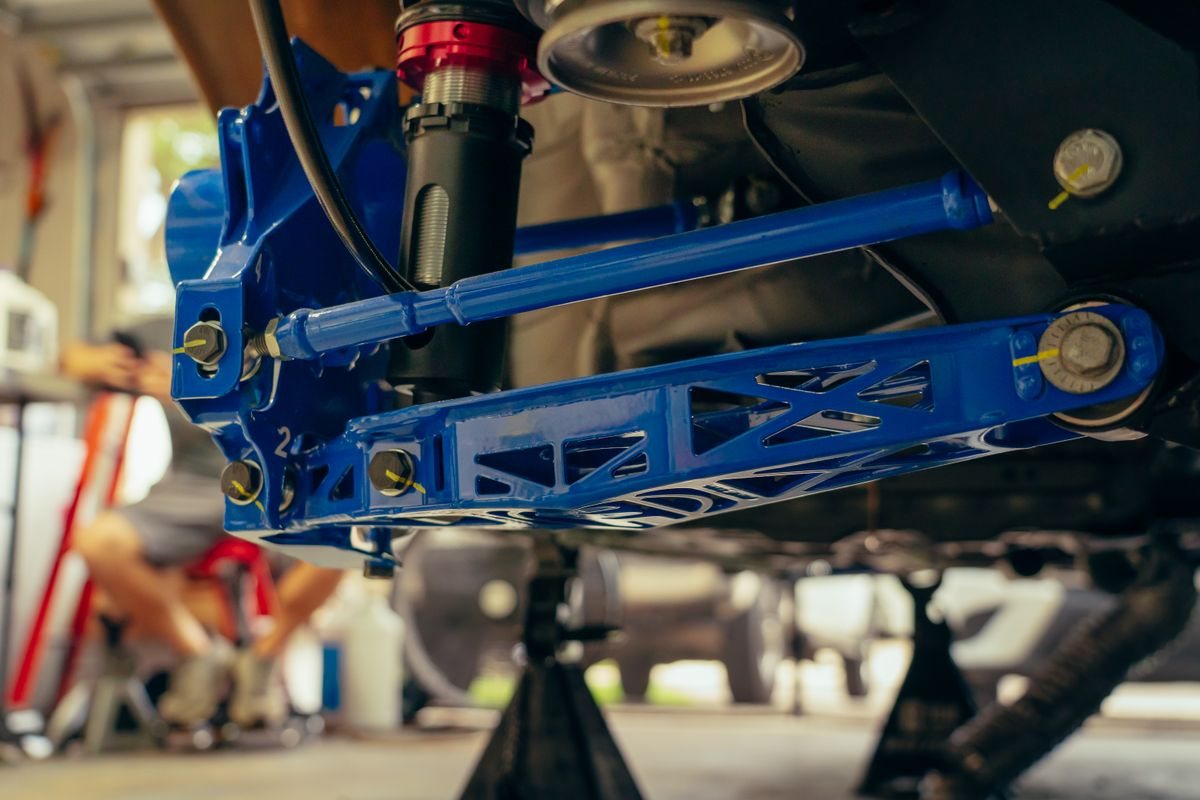
Parts Japan Can't Post: Airbags, Fuel Tanks & Gas Shocks (2026)
The Rundown
- Japan Post grades individual car parts by name in its 航空危険物等品名検索 (air dangerous goods name search), with ○ accepted, △ accepted only on a stated condition, and ✕ refused. An airbag module is ✕ on all three lines — international mail, domestic air, and even ordinary domestic mail.
- Most walls are △, not ✕, and the condition is printed. A steering wheel is △ 'エアバッグがないものに限ります' — only ones without an airbag. Suspension is △ if you confirm it is not gas-type and write that on the label. Used fuel tanks, carburettors and used exhausts are 'unused items only', which for a drift part means no.
- A bare shock absorber and a gas damper are ✕ for international mail outright, and Yamato's international courier lists gas springs — shock absorbers, cylinders, hydraulic and pneumatic suspension — among the things it will not carry at all.
- Lithium is a destination problem, not a part problem. Japan Post's country list carries battery-in-equipment to the USA, Canada and Australia by EMS, the UK by surface mail only, and Germany, Italy and Spain not at all.
- Two price tiers. Making a part compliant in Japan is published warehouse work — ZenMarket disposal from ¥300/kg plus handling from ¥1,000 per 15 minutes, GOODY-JAPAN at least ¥500 per item — then normal EMS. Declared dangerous goods has no published rate and needs a registered shipper. Guessing costs ¥36,828 if Yamato finds it in transit.
Contents
You won it. A JZX100 wheel with the hub still on it, a pair of used coilovers off a broken S14, a clean tank for the spare shell. You paste the links into your proxy account and get back one line: we cannot ship this item. No reason, no alternative, no appeal.
The forums will blame customs, or the airline, or the proxy. It is none of those. Japan Post publishes a searchable database — 航空危険物等品名検索, the air dangerous-goods (危険物, kikenbutsu) name search — that grades individual products by name, with the reason and, where one exists, the exact condition that gets you past. Every mark, rule and price below was read off the official pages on 22 August 2026.
Three symbols decide everything
Each entry carries three lines — domestic mail, domestic air carriage, international mail — and each line gets one of three marks. ○ accepted, ✕ refused, and △ refused in principle but acceptable if a stated condition is met. That middle mark is where most drift parts live, which is why “we can’t ship this” is so often the wrong answer rather than the only one. Here is the international column, because that is your column.
| Part | Mark | Japan Post’s reason | What still works |
|---|---|---|---|
| Airbag module (エアバッグ) | ✕ | Explosives (火薬類) | Nothing postal, not even inside Japan |
| Steering wheel (ハンドル) | △ | “may contain an airbag" | "エアバッグがないものに限ります” — airbag-free wheels post normally |
| Seat-belt pretensioner | ✕ | Pyrotechnic charge | Fit a harness, or a belt with no pretensioner |
| Seat belt (シートベルト) | △ | A pretensioner may be built in | Confirm there is none and say so on the label |
| Used fuel tank (ガソリンタンク) | ✕ | Residual flammable liquid | Even domestic mail is △ “unused only” — a used tank has no route |
| Carburettor (キャブレター) | △ | Used ones may hold fuel | Unused only |
| Used exhaust (マフラー) | △ | Same flammable residue | Unused only. ZenMarket lists used mufflers as courier-only |
| Shock absorber, gas damper | ✕ | Compressed gas | Declared freight, or buy new from a retailer set up for it |
| Suspension assembly (サスペンション) | △ | May contain gas dampers | Confirm not gas-type and write that in the item-name field |
| Tyre (自動車用タイヤ) | △ | A mounted tyre can burst | Ship rubber and rims separately |
| Fire extinguisher, gas cylinder, CO₂ cartridge | ✕ | Compressed gas | Source it at home |
| Road flare (発炎筒), aerosol paint | ✕ | Pyrotechnic / flammable gas | Leave it in Japan |
| Loose lithium battery | ✕ | Class 9 | Only batteries installed in equipment can be mailed |
| Dash cam, data logger | △ | May contain a lithium battery | Conditions, and a country list — see below |
Oil is the other half of this and has its own guide: an engine is refused by name, while a gearbox or diff is blocked by residual lubricant and a weight ceiling rather than a ban, covered in the drivetrain shipping guide.
Guessing has a published price
Since 21 December 2025 Yamato applies a 禁制品手数料 — a prohibited-item fee of ¥36,828 including tax, per shipment — billed to the sender if a prohibited item is found anywhere between pickup and delivery. Yamato states it may be invoiced several months later, and that the cost of dealing with the item is charged separately on top. Parcels are X-rayed after acceptance, so a vaguely declared box does not slip through. It comes back.
Why it is refused, and why sea mail is no loophole
Japan Post’s English page is blunt. Items covered by the IATA Dangerous Goods Regulations “cannot be sent via international mail, regardless of the types of mail items or means of transportation,” and then: “Please note that the items cannot be accepted even as sea mail.” The Japanese page says the same — 船便扱いでも引受不可.
The rule sits above the post office. Japan’s transport ministry states that to keep aircraft operating safely, carrying dangerous goods as cargo or bringing them aboard is prohibited under Article 86 of the Civil Aeronautics Act. IATA then sorts them into nine classes, and four of those catch a drift parts order: Class 1 explosives (airbag, pretensioner, the flare in the boot), Class 2 gases (dampers, struts, extinguishers, aerosols), Class 3 flammable liquids (anything that has held fuel), and Class 9, where lithium batteries sit. Containers do not dodge it either — sea transport has its own equivalent rulebook, the IMDG Code.
Note what is not caught, because assumptions cost people auctions: brake fluid, antifreeze, radiators and oil filters are all ○ on every line.
Lithium is a destination problem
Japan Post carries lithium batteries only when they are installed in or built into the equipment — a battery on its own, or packed alongside the device, is refused — and only to countries on its published list. That list splits by service. Airmail, SAL and EMS cover the USA, Canada and Australia. The United Kingdom appears only in the surface-mail column. Germany, Italy and Spain appear in neither. A battery-backed logger that posts happily to Sydney has no postal route to Munich.
One useful exception is written into the same document: button-type lithium cells installed in equipment are not classed as dangerous goods by air, and Japan Post names backup-memory data storage as a typical use. That is the coin cell in an ECU. A lithium pack in a data logger is a different animal.
Ask the seller before you bid
- Steering wheel: is the airbag module still in it, and if not, where did it go?
- Dampers: gas-charged or not. Japan Post's condition is a declaration the sender signs, so a shrug is a no
- Tank, carburettor, fuel lines, exhaust: has fuel ever been through it? "Used" is the disqualifying word, not "dirty"
- Seat: any side-airbag module in the outer bolster. There is no car-seat entry, but チャイルドシート is △ "only ones without an airbag" — the same test. The seats and harnesses guide covers what drift-spec buyers actually want
- Anything electronic: lithium pack or coin cell, and whether your country is on the list
- Whole-interior lots: check for a 発炎筒 (hatsuento — road flare) or an extinguisher in the box
What moving a blocked part actually looks like
Two price tiers, honestly
| Route | Real published figures | Notes |
|---|---|---|
| Tier one — make it compliant. Warehouse work | ZenMarket: disposal from ¥300 per kg (or ¥300 per battery), plus handling from ¥1,000 per 15 minutes. GOODY-JAPAN: “a disposal fee of at least 500 yen will incur for each item” | ZenMarket waives disposal only where the job needs no special knowledge, no equipment and under five minutes — grease in a fishing reel, not a live airbag |
| Tier one — postage once it is clean | EMS at 3 kg: ¥8,800 to zone 3 (Oceania, Canada, Europe, Middle East), ¥10,300 to the USA. At 15 kg, ¥34,000 / ¥39,100. At the 30 kg ceiling, ¥65,500 / ¥75,100 | Zone 3 and 4 figures include Japan Post’s special additional surcharge |
| Tier two — declare it | No published rate. DHL Japan states it does not accept all dangerous goods, requires pre-registration of an account, advance notice, IATA-certified personnel, UN-approved and usually double packaging — and that additional charges apply | Quoted per shipment. Any flat number online is TBC until it is a quote for your item to your city |
| Tier two — courier as a fallback | Narrower than people assume. Yamato’s international service and its UPS Worldwide Express Saver list both name ガススプリング (gas springs: shock absorbers, cylinders, hydraulic and pneumatic suspension) among items they will not carry, and refuse lithium-battery products “regardless of whether the battery is removable” | |
| Getting it wrong | ¥36,828 including tax, per shipment, plus disposal costs | Yamato’s prohibited-item fee |
Where a line genuinely depends on the job, the honest answer is not a percentage. It is actual cost plus a handling fee, quoted as one total before you commit, so the number you agree to is the number you pay.
The one step you cannot do from abroad
Every route above narrows to the same act: somebody standing in Japan has to make the part safe, and then say so, in the right words, on the label.
You cannot unbolt an airbag module from ten thousand kilometres away. You cannot post the live module to a disposal company either, because it is ✕ for ordinary domestic mail too — it has to be handed over in person. And you cannot tell from a photograph whether a used damper is gas-charged; Japan Post is not asking for a guess, it is asking the sender to confirm it and write it in the item-name field. Buyee’s list is a wall of finished nouns — fireworks, ammunition, aerosol spray cans, fire extinguishers, engines — and it never tells you which of your parts becomes acceptable after ten minutes of work, because it does not do the work.
That is the step we take on
We buy the lot domestically on a Japanese address and then handle the part physically here: airbag module removed and disposed of properly, tank drained and dried, dampers identified as gas or not gas, batteries checked against Japan Post's conditions for your specific country — and the declaration written so it matches what is actually in the box. Because the part is in our hands you also decide on evidence rather than a listing photo: we send a photo and video walkthrough of the mounting faces, the hub or shaft, stamped part numbers and what came out when it was drained, before you commit. Purchase, handling, packing and freight then come back as one total, actual cost plus our handling fee, agreed up front. Send us the auction link or your part list and your destination city.
The short version
“We can’t ship this” is usually a database entry, not a judgement — and a lot of those entries are △, which means there is a condition and somebody has to meet it. An airbag module and a bare gas damper have no postal route in any direction. A steering wheel, a seat belt, a suspension assembly and a tyre all do, once the live part is gone and the label says so. A used tank, carburettor or exhaust does not, because “used” is the disqualifying word.
None of that is exotic. It is a spanner, a drain pan, a disposal run and a sentence typed into the right field — all of it in a warehouse in Japan while you are asleep. For choosing a channel before you get this far, the proxy and exporter comparison covers the fees side.
Frequently asked questions
Why can't I ship an airbag or an airbag steering wheel from Japan?
Because Japan Post files it as 火薬類 — explosives. Its air dangerous goods database marks エアバッグ(自動車部品)/Airbag Module with ✕ on all three lines: not accepted for international mail, not carried on domestic aircraft, and not accepted for ordinary domestic mail either. The steering wheel entry, ハンドル(自動車部品)/Handle, is marked △ with the reason 'エアバッグ(火薬類)が含まれているおそれがあるため' and the condition 'エアバッグがないものに限ります' — only wheels without an airbag. So a wheel is buyable and postable; the live module inside it is not, and it cannot even be posted to a disposal company inside Japan — it has to be handed over in person. Proxy services follow the same line: GOODY-JAPAN names 'Airbags (for vehicles)' and 'Steering wheels containing airbags' in its prohibited list, and charges a disposal fee of at least ¥500 per item for the ones it takes off. All three marks were read off Japan Post's database on 22 August 2026.
Can I get coilovers or shock absorbers out of Japan?
Not by post, and often not by courier either. ショックアブソーバー/Shock absorber is ✕ for international mail. サスペンション/Suspension is △, refused because it 'may contain a gas-type shock absorber (high-pressure gas)', and the stated condition is that you confirm it is not gas-type and write that in the item-name field. Almost every drift coilover is gas-charged, so that condition usually cannot be met. Yamato's international TA-Q-BIN and its UPS Worldwide Express Saver product both list ガススプリング — gas springs, shock absorbers, cylinders and hydraulic or pneumatic suspension — as items they do not carry. That leaves declared dangerous-goods freight, or buying the dampers new from a retailer who already ships them that way. Those marks were read off the database on 22 August 2026, and sending a gas damper anyway has a published price: since 21 December 2025 Yamato bills a prohibited-item fee of ¥36,828 including tax, per shipment, to the sender.
Is sea mail a way around dangerous-goods rules?
No. Japan Post's English guidance says items covered by the IATA Dangerous Goods Regulations 'cannot be sent via international mail, regardless of the types of mail items or means of transportation', and then adds the sentence people miss: 'Please note that the items cannot be accepted even as sea mail.' The Japanese page says the same thing — 船便扱いでも引受不可. Nor does putting it in a container quietly solve it: sea transport has its own equivalent rulebook, the IMDG Code, so a declared sea shipment is still a declared dangerous-goods shipment with the paperwork that implies. The prohibition sits above the post office in any case — Japan's transport ministry states that carrying dangerous goods as cargo or aboard an aircraft is banned under Article 86 of the Civil Aeronautics Act. Both pages were read on 22 August 2026.
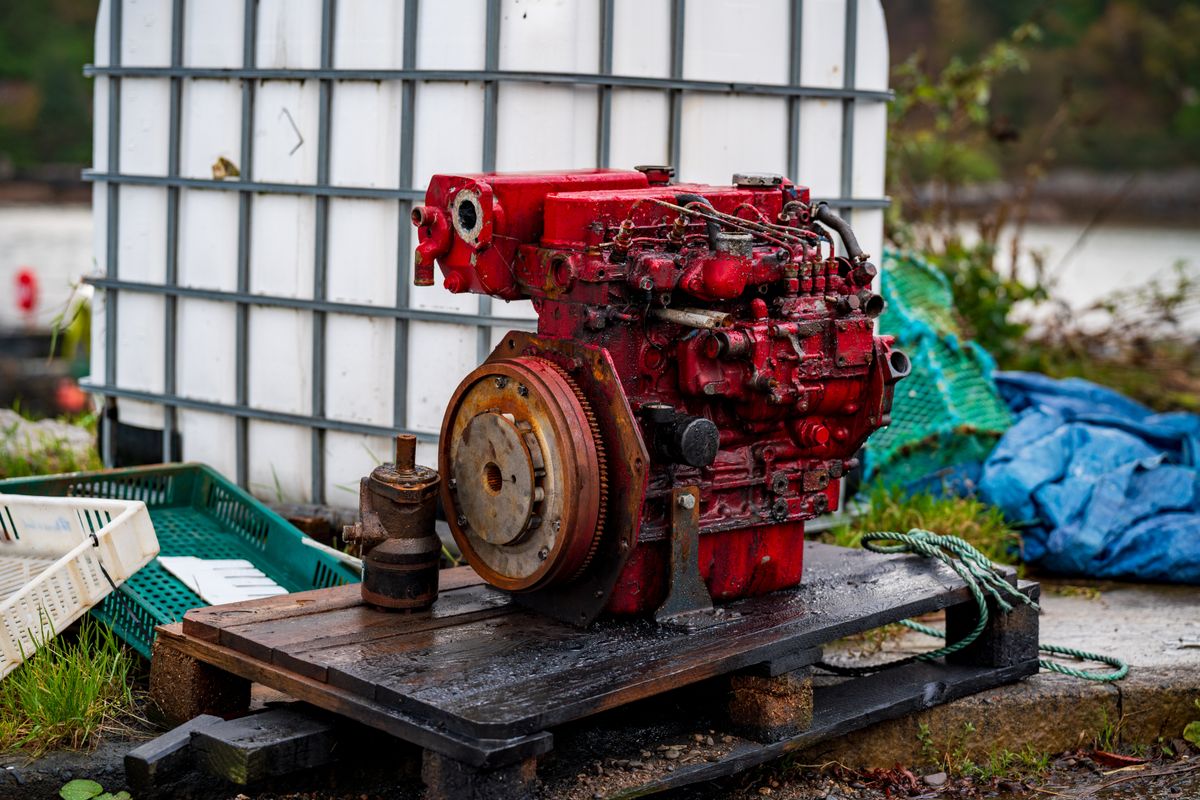 Shipping a Used Engine from Japan: SR20DET, 1JZ, RB (2026)
 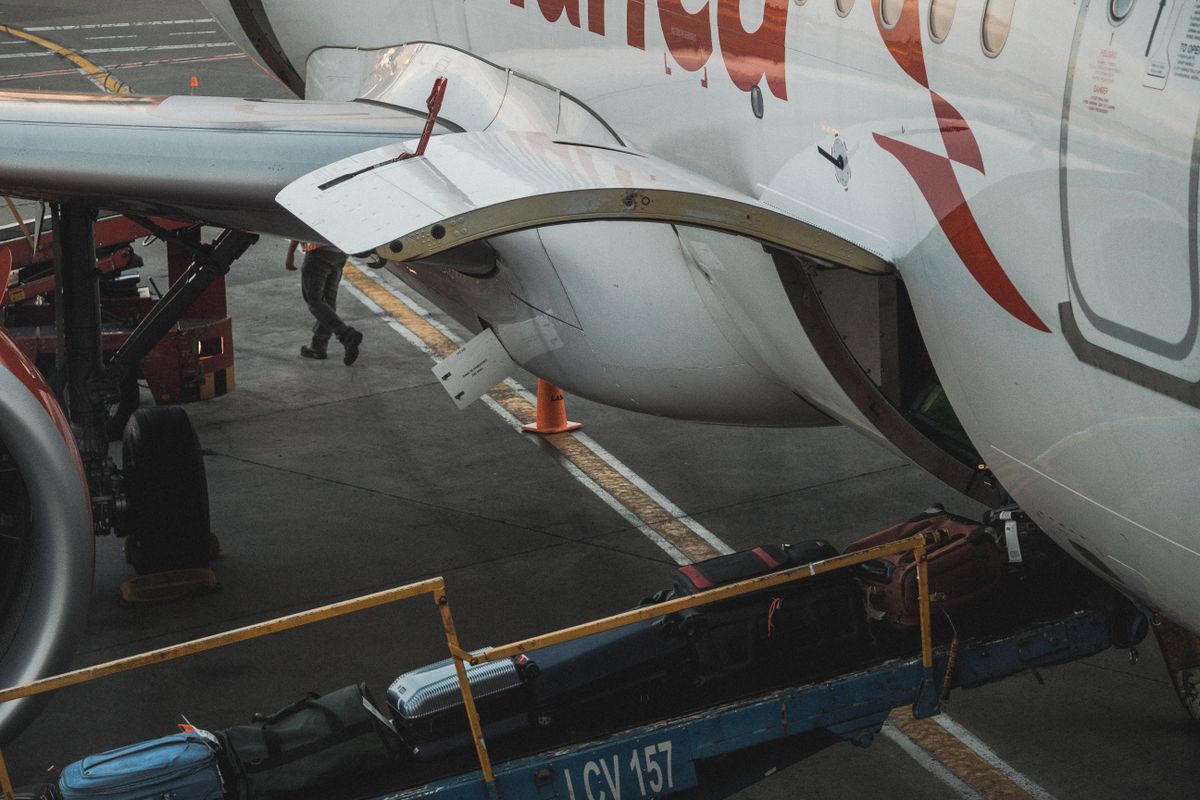 Flying Home With JDM Drift Parts: Airline Baggage Rules (2026)
  JDM Drift Parts from Japan: What Proxies Can & Can't Do (2026)
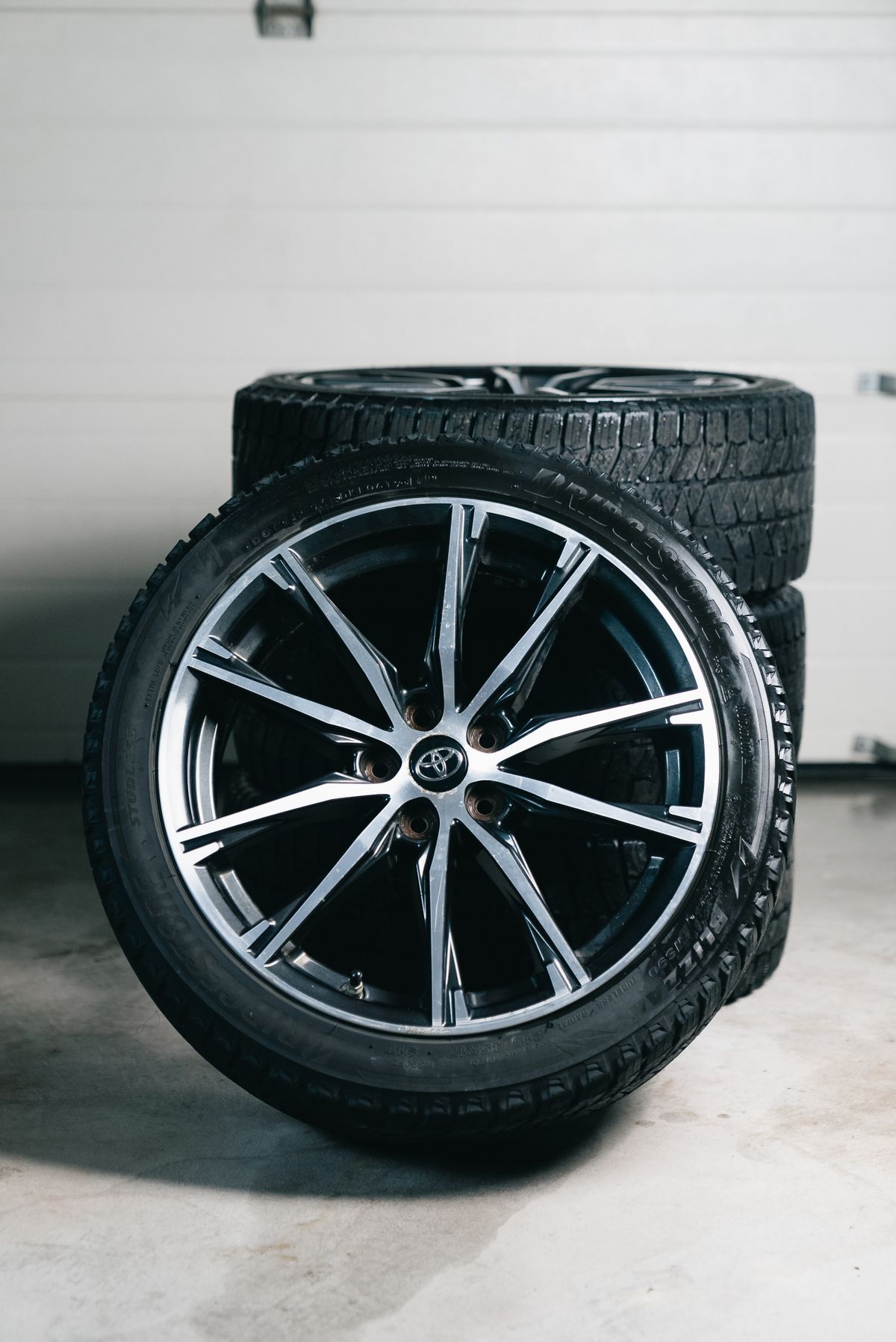
  Shipping Aero, Seats & Wheels from Japan: The Oversized Problem (2026)