
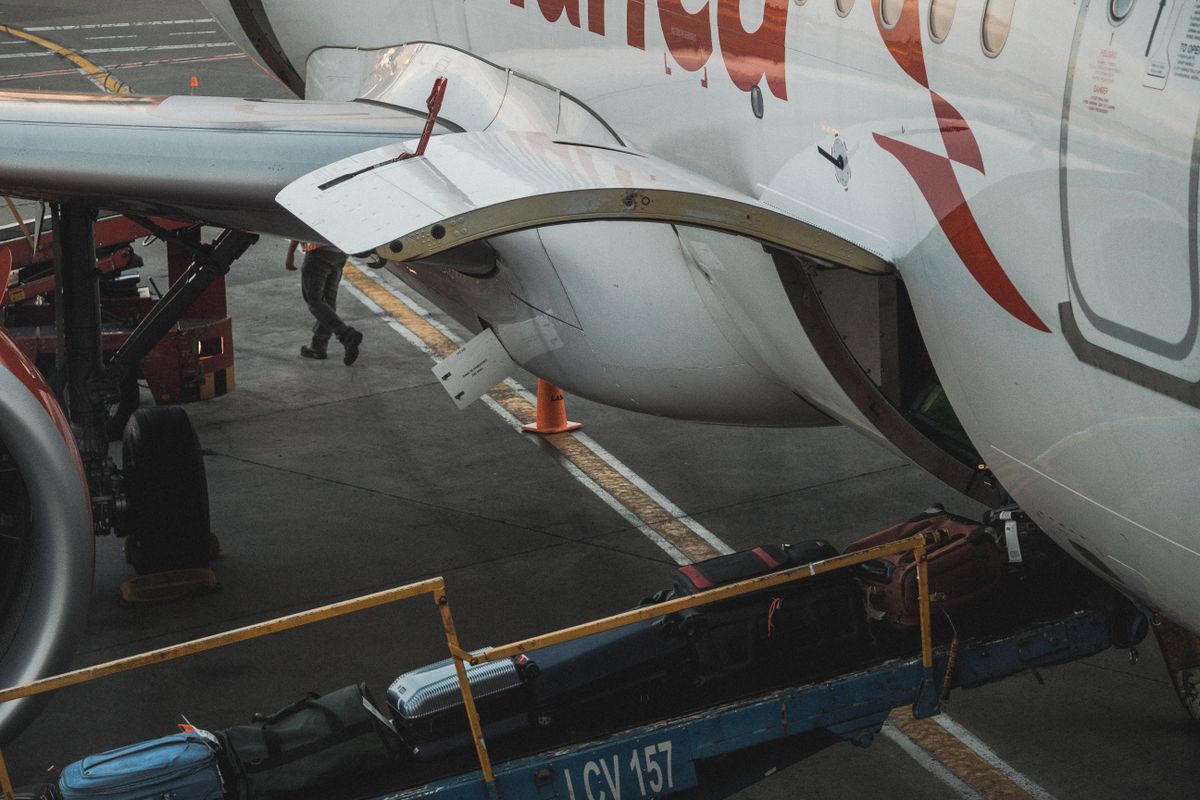
Flying Home With JDM Drift Parts: Airline Baggage Rules (2026)
The Rundown
- In Economy, JAL and ANA both give you 23 kg per checked piece. JAL allows a piece of 203 cm adding length, width and height; ANA allows 158 cm. Qantas Economy to and from Japan is a 30 kg total allowance with no piece over 32 kg and each piece within 158 cm.
- Going over is priced, and the charges stack. JAL long-haul out of Japan: an extra bag JPY 20,000, 23-32 kg JPY 10,000, 32-45 kg JPY 60,000, over 203 cm JPY 20,000. ANA: JPY 20,000 extra piece, JPY 6,000 for 23-32 kg, JPY 20,000 for 32-45 kg, JPY 20,000 for 158-292 cm.
- There are hard walls, not just fees. ANA will not accept a piece over 292 cm or over 45 kg as checked baggage at all, and JAL refuses anything over 32 kg per piece in principle on the London, Paris, Helsinki, Dubai and Australia routes.
- The TSA's Car Parts entry, last updated 14 July 2026, allows car parts 'without fuel or traces of fuel' in checked bags, and allows engine parts only if they are packed in their original box and free of gasoline and oil.
- Tax-free needs the goods on you. The National Tax Agency moves the scheme to a refund method on 1 November 2026: pay tax-inclusive, clear customs within 90 days of purchase, then the shop refunds the tax. Separate shipment of tax-free goods was abolished on 31 March 2025.
Contents
Yes, you can fly home with drift parts in your checked bags, and the ceiling is three numbers. In Economy, JAL and ANA both give you 23 kg per piece; a piece may total 203 cm on JAL or 158 cm on ANA once you add length, width and height, and Qantas gives Economy passengers flying to and from Japan 30 kg in total with nothing over 32 kg or 158 cm. Anything holding an airbag module, a gas charge or fuel residue is refused whatever it weighs. Every limit, fee and rule below was checked on the official pages on 12 September 2026.
You are in Japan for a matsuri weekend or a track day, you walk into a used-parts shop with cash, and the maths suddenly matters. A suitcase is free; freight is not. So what fits in the suitcase?
How much can you check in, and what does the extra cost?
The free allowance is the easy part. The charges for going over it are where the plan dies, because they stack — JAL and ANA both say that when two or more types of excess apply, you pay all of them.
| JAL (Economy) | ANA (Economy) | Qantas (Economy, Japan routes) | |
|---|---|---|---|
| Free allowance | 2 pieces, 23 kg each | 0–2 pieces by fare, 23 kg each | 30 kg total, no piece limit |
| Size per piece | L+W+H ≤ 203 cm | L+W+H ≤ 158 cm | L+W+H ≤ 158 cm (62 in) |
| Extra bag | JPY 20,000 long-haul; JPY 10,000 regional | JPY 20,000 across Areas 1–3; JPY 10,000 within one | Pre-purchase or pay at the airport |
| 23–32 kg | JPY 10,000 long-haul; JPY 6,000 regional | JPY 6,000 (USD 60) | No piece over 32 kg |
| 32–45 kg | JPY 60,000 long-haul; JPY 30,000 regional | JPY 20,000 (USD 200) | Not accepted |
| Oversize | Over 203 cm: JPY 20,000 / JPY 10,000 | 158–292 cm: JPY 20,000 | — |
| Hard refusal | No piece over 45 kg | Over 292 cm or over 45 kg | Over 32 kg per piece |
JAL adds a route rule: a piece over 32 kg is refused in principle on the London, Paris, Helsinki, Dubai and Australia routes. ANA prints the arithmetic itself — a third Economy bag of 210 cm on Narita–Honolulu is JPY 20,000 for the extra piece plus JPY 20,000 oversize, JPY 40,000, more than most people’s parts budget. JAL’s worked Tokyo–Manila example reaches JPY 56,000.
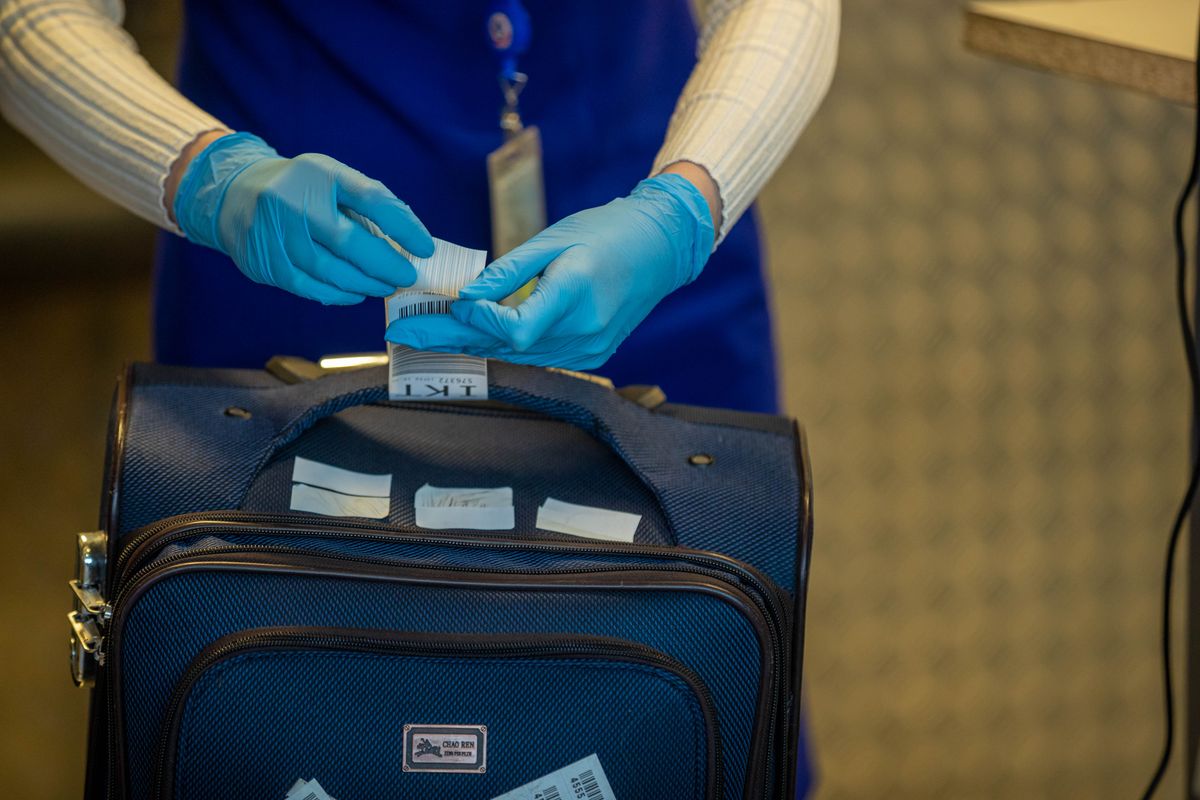
Two quieter rules bite drifters. JAL may refuse baggage not “properly contained in a suitcase or other crate” strong enough for a conveyor belt, and will not count a multi-piece bundle as one bag if the pieces could come apart. ANA warns that even inside 292 cm a bag may be refused on the day for lack of cargo space.
Which parts will an airline refuse outright?
Neither JAL nor ANA publishes a car-parts list. Both publish the legal categories instead: dangerous goods may be neither carried on board nor checked in, and Japan’s Ministry of Land, Infrastructure, Transport and Tourism sets out those classes in Article 194 paragraph 1 of the Civil Aeronautics Act Enforcement Regulation — explosives first, high-pressure gas second, flammable liquids third. Qantas is blunter: its hidden dangerous goods sheet reads “Automotive/Car Parts — batteries, airbag modules, petrol etc.”
| Part | Flies as checked baggage? | The rule | What it costs, or what to do instead |
|---|---|---|---|
| Steering wheel (airbag out), shift knob, gauges, seat rails | Yes | Ordinary baggage; TSA allows car parts with special instructions | Free inside 23 kg / 158–203 cm |
| Airbag module, airbagged wheel, belt pretensioner | No | Explosives, class 1 under Article 194; Qantas names airbag modules | Leave the module in Japan; the bare wheel flies |
| Gas-charged damper or coilover | TBC — not without the airline’s answer | Compressed gas is class 2, but no carrier names a damper | Ask the dangerous goods desk; otherwise declared freight |
| Used fuel tank, fuel pump, fuel lines, carburettor | No | TSA allows parts only “without fuel or traces of fuel” | Buy unused, or move it as freight |
| Used engine, oily bare head or sump | Not as it comes off the car | TSA: engine parts only if “packed in their original box and free of gasoline and oil” | Degrease and box it, or freight it |
| Brake discs, knuckles, hubs, brackets | Yes, weight is the only wall | 23 kg per piece in Economy | 23–32 kg: JPY 10,000 on JAL long-haul, JPY 6,000 on ANA |
| Bucket seat, wing, bumper, over-fenders | Measure first, usually no | Over 158 cm on ANA and Qantas, over 203 cm on JAL | ANA JPY 20,000 to 292 cm; JAL: “baggage in need of inquiry” |
| Gearbox, diff, wheel and tyre set | No | Over 32 kg needs an inquiry on JAL; ANA stops at 45 kg | Freight. Japan Post’s EMS ceiling is 30 kg anyway |
Don't get caught out
The dangerous-goods rules are law, not airline policy — ANA states plainly that violating them may carry legal penalties or fines under the laws of the country involved. And Qantas gives the only honest route for the refused items: dangerous goods forbidden as passenger baggage must be sent as freight. Post is not the fallback either, because Japan Post refuses the same items by name; that side is covered in our guide to the parts Japan cannot post.
Can you buy the parts tax-free while you are here?
Often, yes. The Japan Tourism Agency defines a tax-free shop as an export goods sales place under Article 8 of the Consumption Tax Act, with three conditions: the shop holds a licence, the buyer is a non-resident who has been in Japan under six months, and general goods total JPY 5,000 or more at one store on one day. Purchases clearly for business or resale are excluded. UP GARAGE’s tax-free page describes the passport procedure at over 150 stores, though its English page still quotes an older rate; the standard consumption tax rate is 10.0%.
Two changes matter to anyone carrying parts out.
The same leaflet keeps one way to combine tax exemption with shipping: the direct shipping system, where you sign the transport contract inside the shop and hand the goods to the carrier there and then. It is a shop-side arrangement, not something you bolt on later at the post office.
Where is the ceiling, and what has to go as freight?
Here is the wall: the part that cannot fly still has to be collected, drained, degreased, crated and booked onto freight by somebody standing in Japan — on a date after your flight home. A bumper or a wing is over the linear limit. A gearbox or a wheel set is over the weight limit. An airbag or a gas damper is refused at any size. And the cheapest listings never reach a counter at all — that tier is our guide to pickup-only parts in Japan.
That is the step we take on
We collect what will not fly, make it safe here — tank drained and dried, oily parts degreased, live modules removed and disposed of properly — then crate it for export and book the freight, all after you have gone home. Because the part is in our hands you decide on evidence rather than a phone photo taken in a car park: we inspect it in Japan and send a photo and video walkthrough of mounting faces, stamped part numbers and damage before you commit. Purchase, handling, crating and freight come back as one total, actual cost plus a fee, quoted up front. Tell us what you found in Japan and where it needs to land.
What to do before you fly
At the shop, not at the check-in desk
- Tape measure on the biggest single piece: length + width + height against 158 cm or 203 cm
- Luggage scale against 23 kg, and remember 32 kg is a wall on every carrier here
- Ask whether fuel or oil has ever been through it — "used" is the disqualifying word, not "dirty"
- Steering wheel: is the airbag module out, and where did it go?
- Packaging: a bare part on a conveyor belt is a bag JAL may refuse. Box it or crate it
- Tax-free: passport, JPY 5,000 minimum at one store on one day, and goods you can physically carry out
- Landing costs at the other end — the duty and tax guide covers what your customs will want
Plan the trip around the parts, not the other way round: see what is running while you are here on the event calendar, and if the haul is bigger than a suitcase, read the oversized parts guide first.
A suitcase is the cheapest freight you will ever get. It is also the smallest, and the rules that close it are published, specific and not negotiable at the desk.
Frequently asked questions
Can I bring JDM car parts home from Japan in my checked luggage?
Yes, inside the airline's limits. As of 12 September 2026 JAL and ANA both allow Economy passengers 23 kg per checked piece, with a piece measuring up to 203 cm on JAL or 158 cm on ANA adding length, width and height including wheels and handles. Qantas gives Economy passengers on its rest-of-the-world routes, which includes Japan, a 30 kg total allowance with no single piece over 32 kg and each piece within 158 cm. The US Transportation Security Administration's Car Parts entry, last updated 14 July 2026, says car engine parts and other car parts without fuel or traces of fuel are allowed in carry-on or checked bags, and that engine parts may go in checked bags only if they are packed in their original box and free of gasoline and oil.
Can I put an airbag module or a coilover in my suitcase?
Not the airbag. Qantas names 'Automotive/Car Parts - batteries, airbag modules, petrol' in its hidden dangerous goods list, and both JAL and ANA state that items classed as dangerous goods by law may be neither carried on board nor checked in. Japan's Civil Aeronautics Act Enforcement Regulation Article 194 paragraph 1 lists explosives first and high-pressure gas second. A gas-charged damper falls in that second class, but as of 12 September 2026 neither JAL nor ANA publishes a shock absorber as a named line item, so the answer for your specific flight is TBC until the airline's dangerous goods desk confirms it. Japan Post, which does grade parts by name, marks a shock absorber as refused for international mail.
How much is excess baggage on a flight out of Japan in 2026?
Published, and the charges add together. As of 12 September 2026 JAL charges, between Japan and North or South America, Europe, Oceania, India, Hawaii, the Middle East or Africa, JPY 20,000 (USD 200) for an additional bag, JPY 10,000 (USD 100) for 23-32 kg, JPY 60,000 (USD 600) for 32-45 kg and JPY 20,000 for anything over 203 cm. ANA charges JPY 20,000 (USD 200 / EUR 150) for an extra piece across its Areas 1 to 3, JPY 6,000 for 23-32 kg, JPY 20,000 for 32-45 kg and JPY 20,000 for 158-292 cm. ANA's own worked example, a third Economy bag of 210 cm on Narita to Honolulu, comes to JPY 40,000.
Do I get tax-free shopping on used car parts in Japan?
At a licensed tax-free shop, if you qualify. The Japan Tourism Agency states that a tax-free shop is an export goods sales place under Article 8 of the Consumption Tax Act, that the buyer must be a non-resident who has been in Japan for under six months, and that general goods qualify at JPY 5,000 or more at the same store on the same day. UP GARAGE's own tax-free page says it runs the counter procedure against your passport at over 150 stores in Japan. From 1 November 2026 the National Tax Agency switches the scheme to a refund method: you pay the tax-inclusive price, get customs confirmation on departure within 90 days of purchase, and the shop then refunds the consumption tax, whose standard rate is 10.0%.
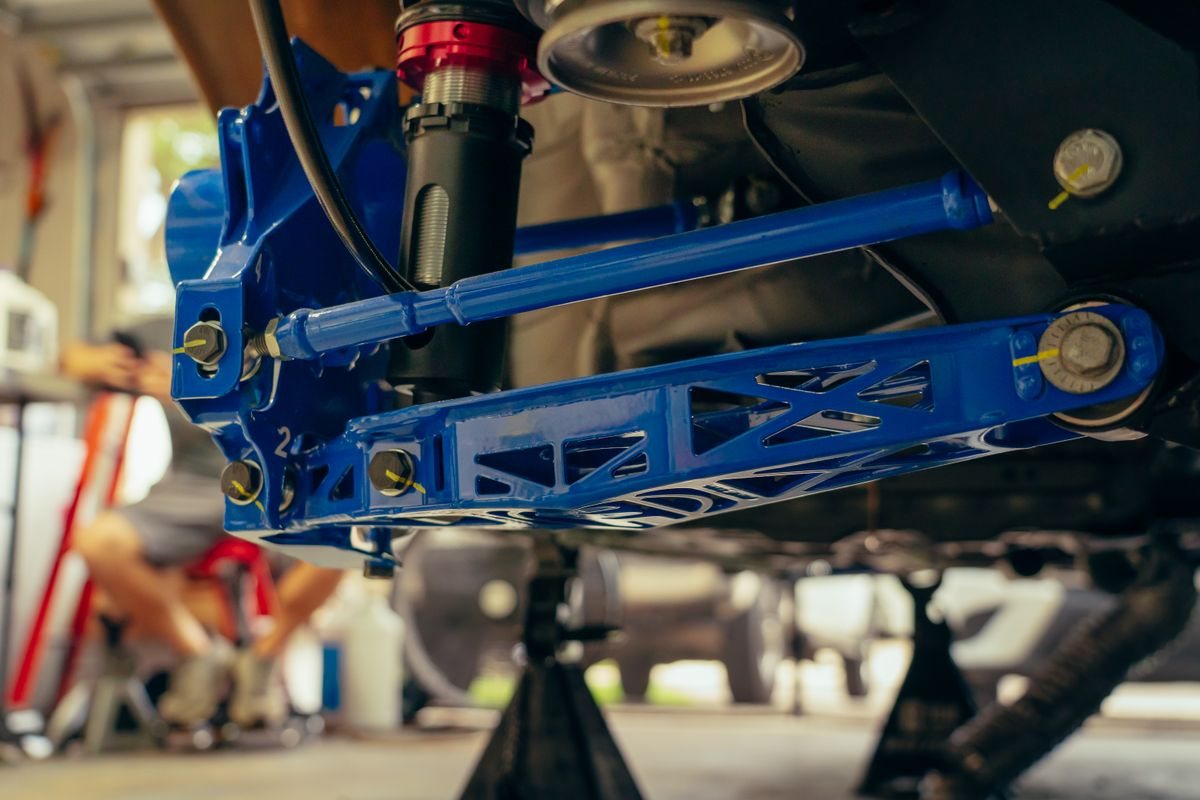 Parts Japan Can't Post: Airbags, Fuel Tanks & Gas Shocks (2026)
 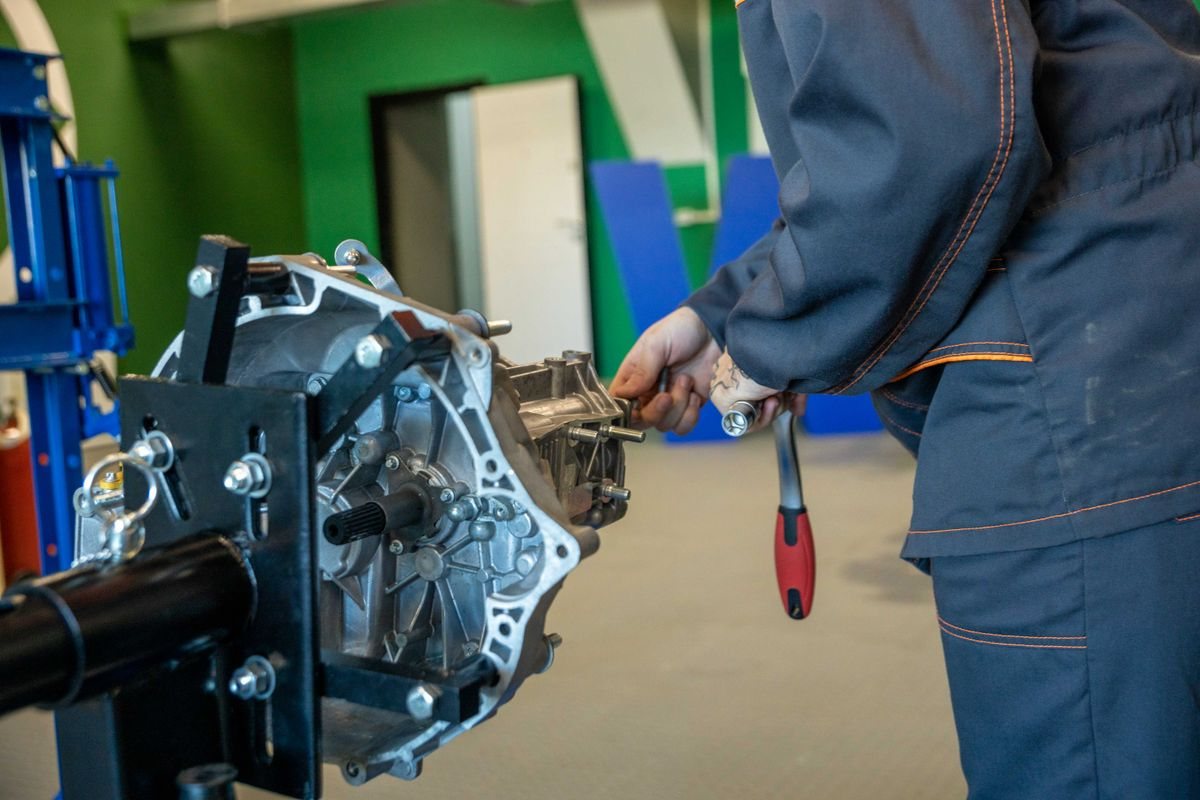 Shipping a Used Gearbox, Diff or Engine Out of Japan (2026)
  Can You Ship a Roll Cage from Japan? Sizes, Rules & Costs (2026)
  Import Duty on JDM Drift Parts from Japan: US, UK, AU, NZ, CA (2026)